
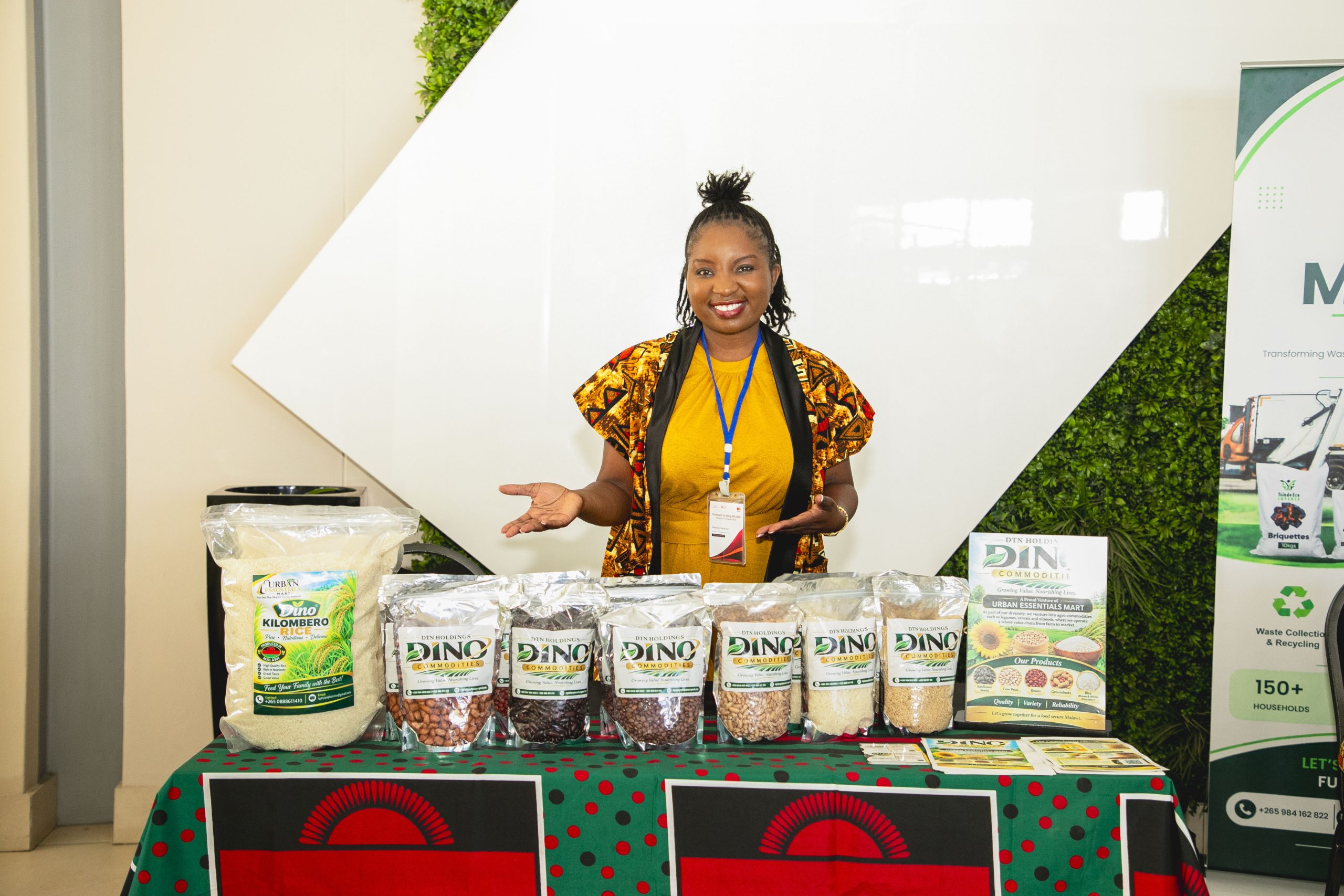
A contract can open a market. Failing to deliver can close it again. When women entrepreneurs met buyers, financiers and trade specialists at the Graça Machel Trust’s Women Creating Wealth Business Exchange in Johannesburg in November 2026, the conversation moved quickly from ambition to the practical details of doing business: what it takes to win an order, secure finance, deliver across borders and sell online.
What it takes to win an order and deliver it
At the “Winning buyers and markets” roundtable, moderated by Business Linkages Specialist Janet Okeyo, speakers made the requirements concrete. “You cannot access big tenders if you cannot supply the required volumes,” said Nomvula Makgotlho, Chief Director at South Africa’s Department of Small Business Development. She encouraged businesses to combine capacity, with clear responsibilities and delivery commitments.
Sipho Modiba, Tiger Brands’ Procurement Manager for Agricultural Crops and Vegetables, explained why testing matters: beans suitable for one market might not withstand factory processing. Farmers also needed water, secure land arrangements and production finance. He challenged financiers to consider their contribution: “If Tiger Brands provides the market and can offer contracts, can we come in and finance production?” He also identified procurement opportunities in machinery maintenance, electrical work and safety equipment.
Thabo Sizo Mahlobo, Executive Director of TNE Solutions, stressed preparation: “Before you invest in expanding your farm or increasing supply, start with demand.” Coordinated production, technical support and transport could help smaller suppliers meet larger orders. Tiger Brands’ Sourcing Specialist for Culinary Agriculture, Lerato Mazibuko, added the cleaning and grading required before dispatch, noting that contracting an existing facility could help suppliers prepare produce without immediately buying equipment, provided it met the buyer’s requirements.
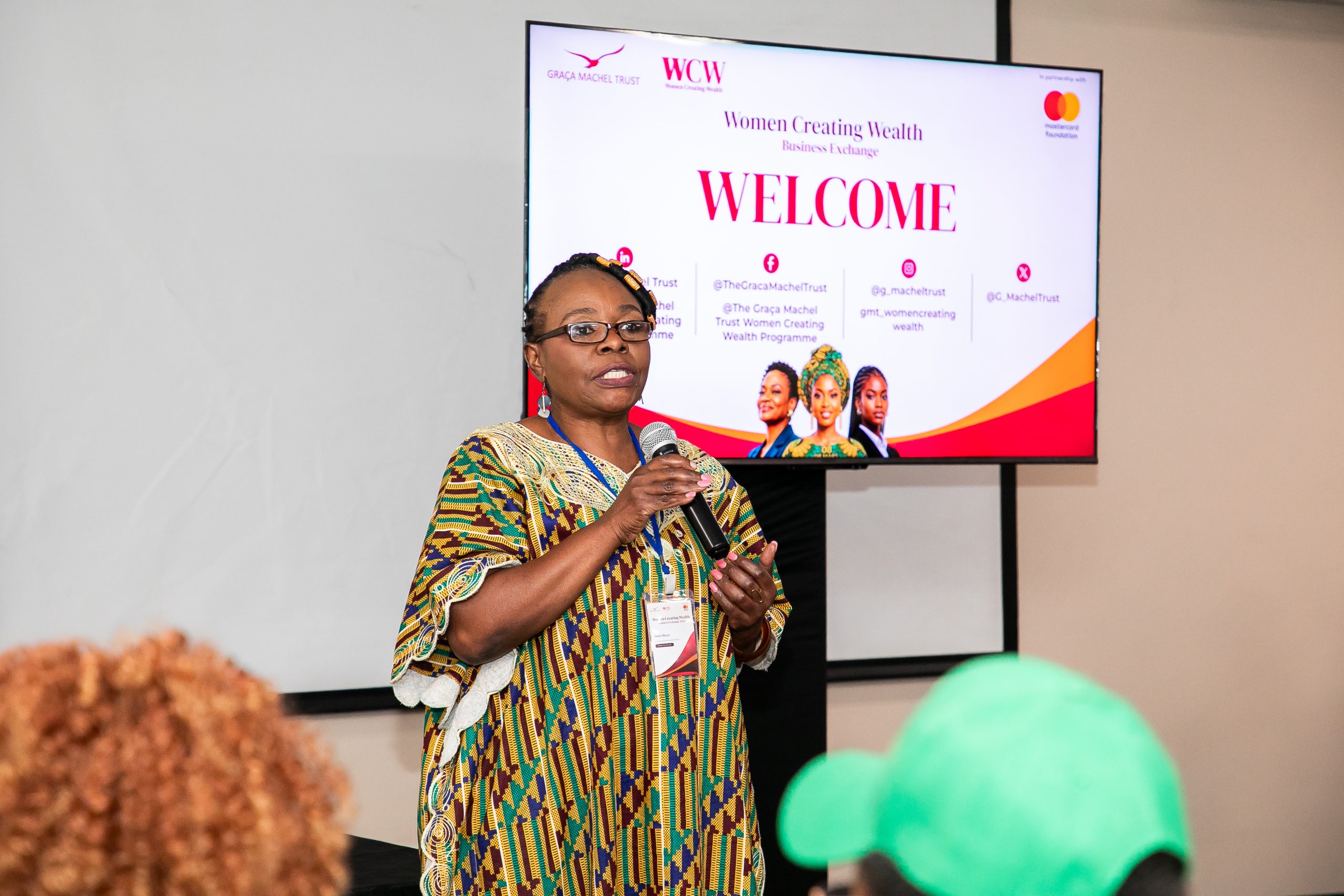
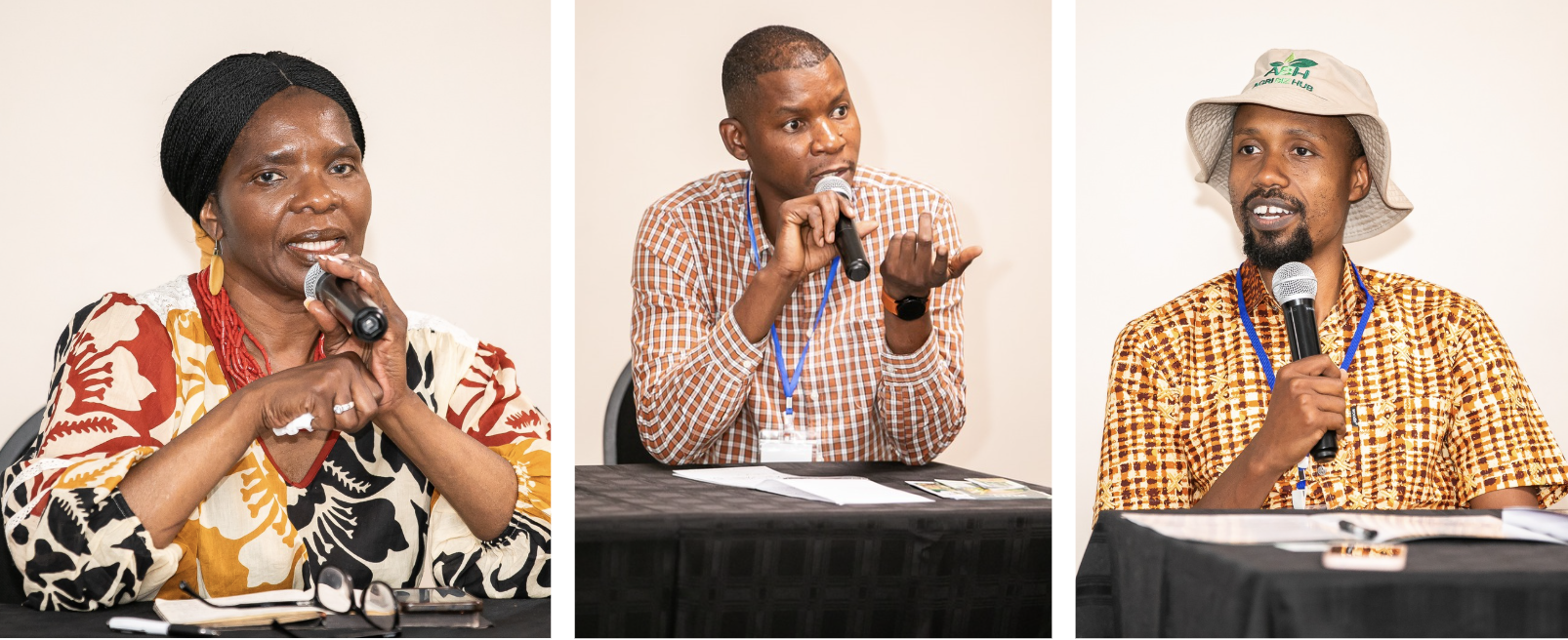
Janet Okeyo, Nomvula Makgotlho, Sipho Modiba and Thabo Sizo Mahlobo examine the capacity, standards and partnerships needed to turn buyer interest into reliable supply.
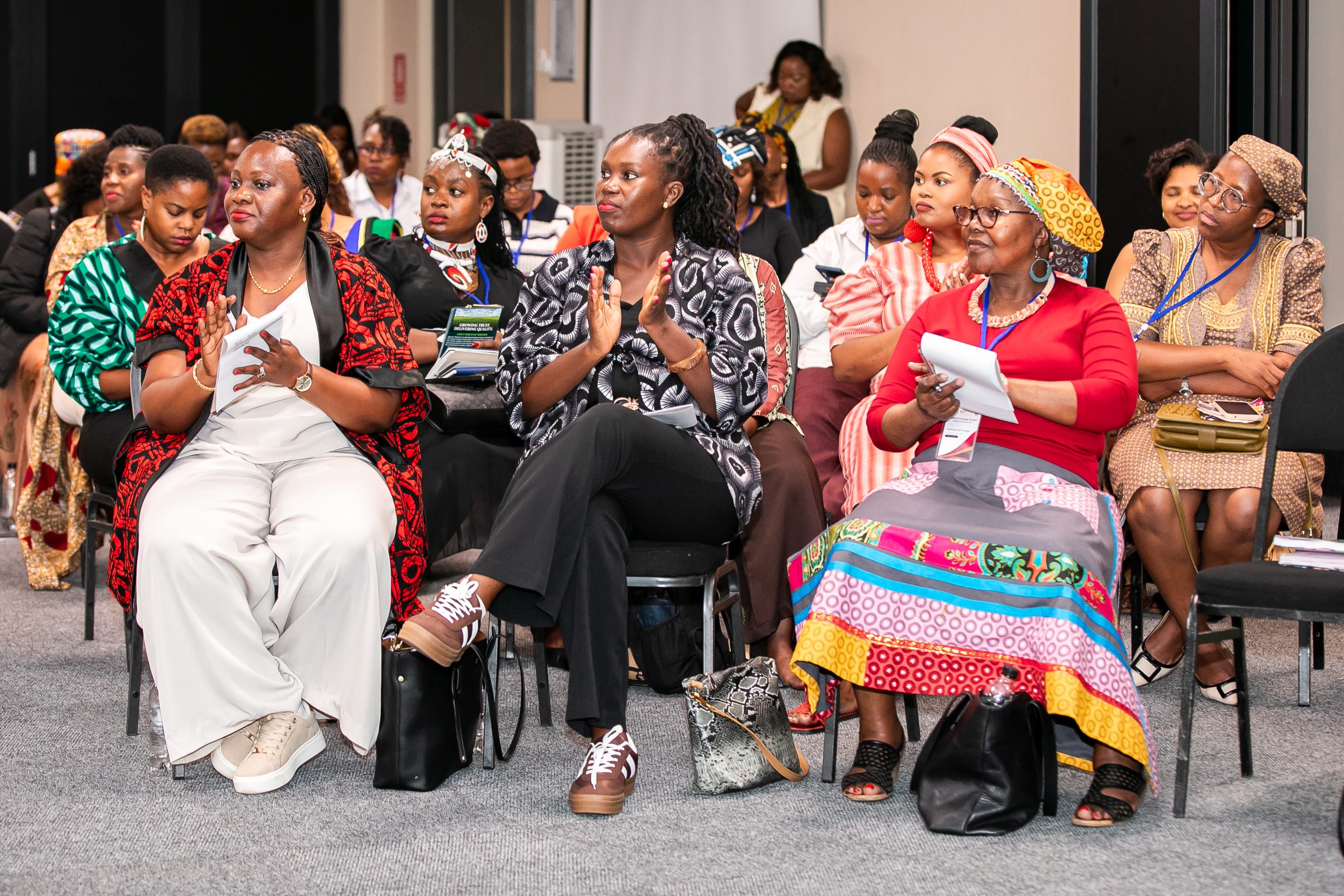
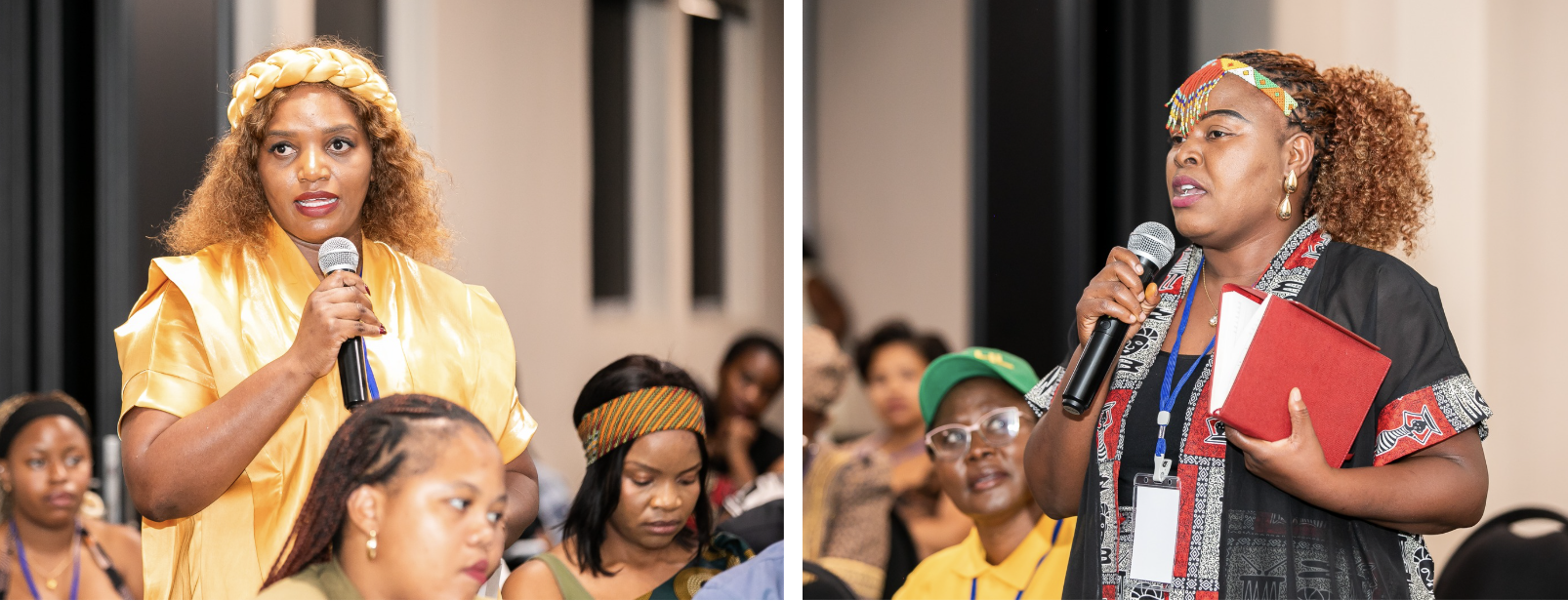
Entrepreneurs engage with procurement, government, and business specialists on the requirements for supplying larger markets. Tiger Brands’ representative gave insights into how cleaning, grading, and facility requirements shape the route from harvest to a manufacturing buyer.
Customers alone do not close the funding gap
“Right now, I have customers. I don’t have finance.” Syndia James, of South Africa’s Best Life Distribution, described a gap that grant approval and packaging support had not fully closed. Afrishela’s Jane Mbinya and Mazvita Maradzika connected entrepreneurs’ experiences with financiers’ questions about readiness.
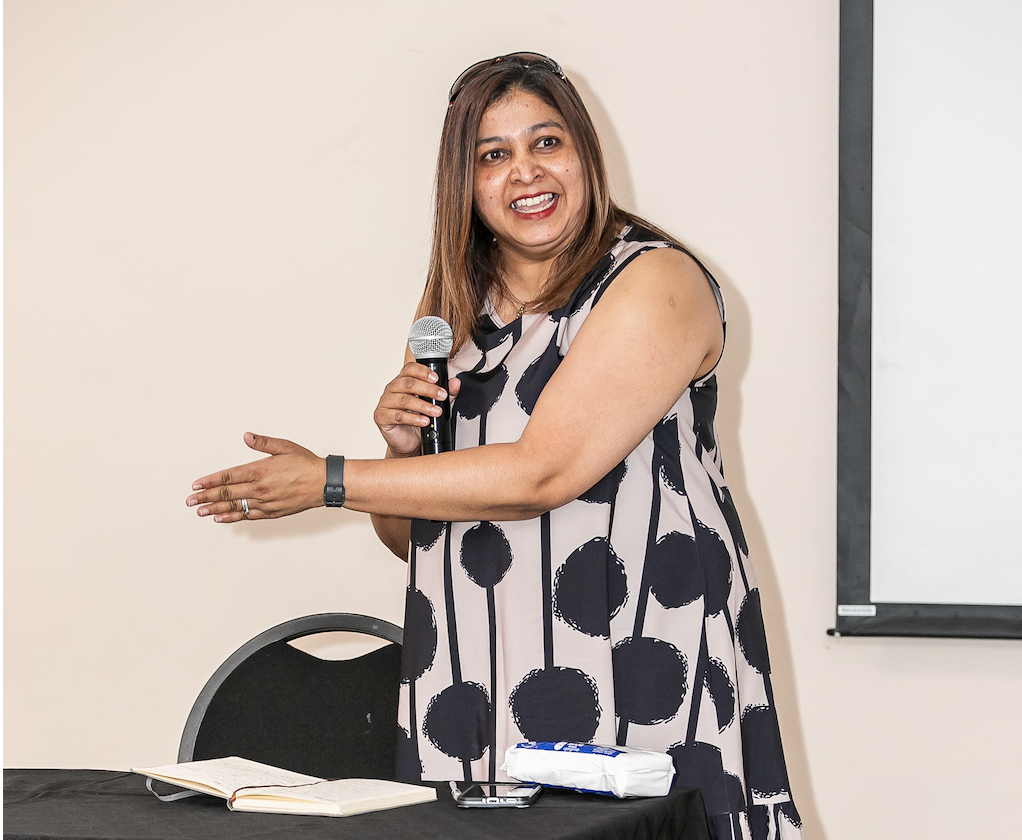
Syndia James of Best Life Distribution, South Africa, describes the financing gap that remained even with customers ready to buy.
Afrishela’s Jane Mbinya Muia, Senior Investment Officer, and Mazvita Maradzika, Investment Officer, brought entrepreneurs and financing partners together to examine what makes a business ready for funding, from reliable financial records to a clear case for investment.
While Syndiah James of First Light Distribution highlighted the importance of product standards, compliance and packaging, Vimbainashe Tshuma of Sanath Trading described how Afrishela helped her strengthen financial documentation and access finance for manufacturing equipment. She linked that investment to increased production and workforce growth from 10 to around 30 employees, emphasising open communication with financiers and the confidence to negotiate.
Business pitches from Pelaelo Moloi, Founder and Managing Director of MKG Group, and Eileen Kasomekera brought funding needs into the discussion. Mohamed Suhail Khan of Business Partners Limited, alongside representatives from the African Leadership Academy and the Africa Women Financial Inclusion Initiative, explained financing options and what funders look for when assessing businesses.
The conversation connected preparation with purpose: securing finance that enables a business to produce more, fulfil orders, and employ more people.

Afrishela’s Jane Mbinya Muia and Mazvita Maradzika lead a discussion on preparing businesses for finance at the Trust’s WCW Business Exchange 2026.
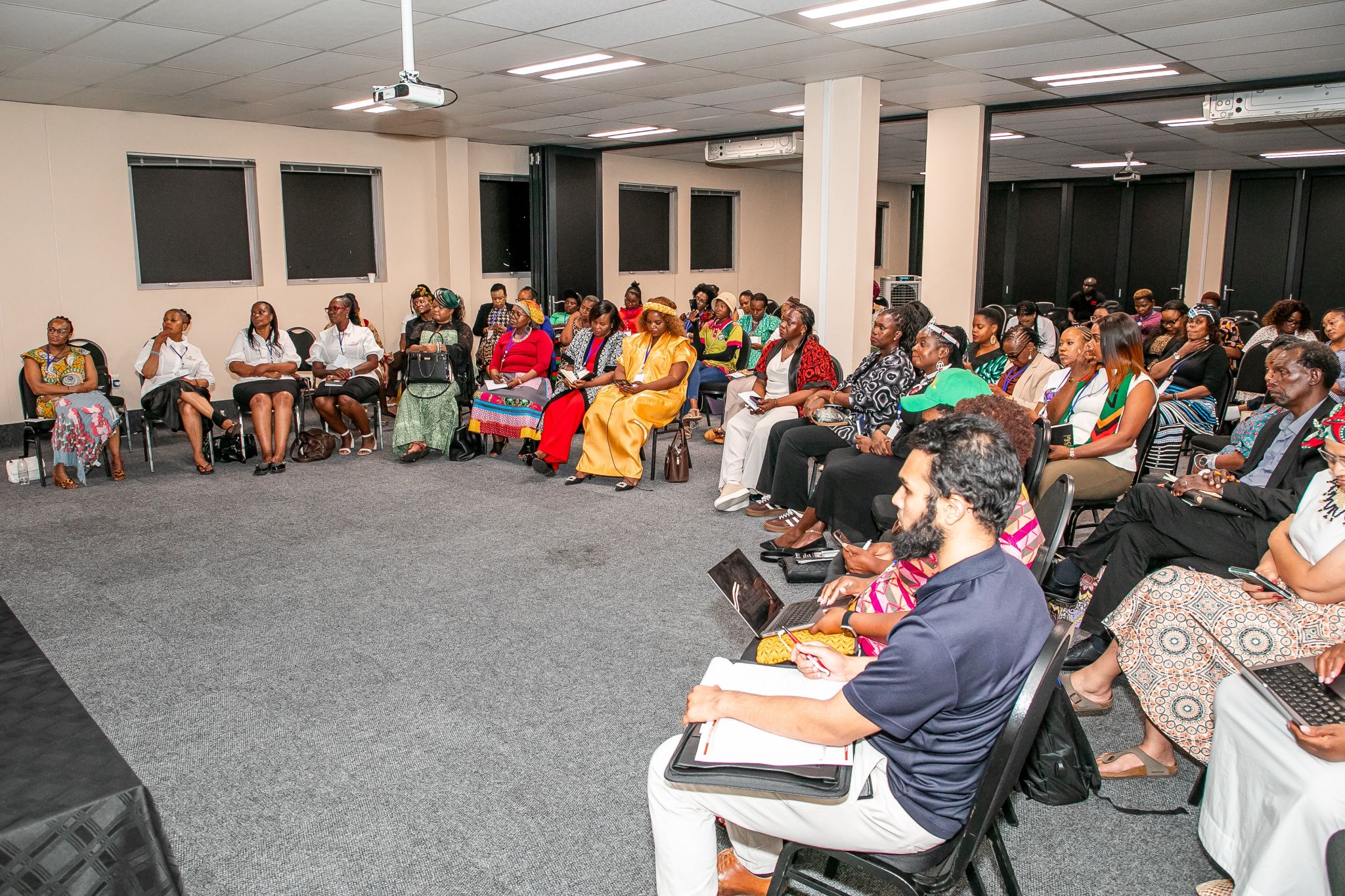
Entrepreneurs and financing partners explore the preparation, financial records and relationships needed to fund business growth.
Makena Mworia, the Mastercard Foundation’s Head of Gender Entrepreneurship and Financial Inclusion, acknowledged how widely these obstacles are shared, and why they can be overcome:
“Access to finance, mentorship, care responsibilities and favourable policy environments continue to present obstacles for many people across the countries where we work. But this partnership is a testament to the fact that these barriers are not insurmountable.”
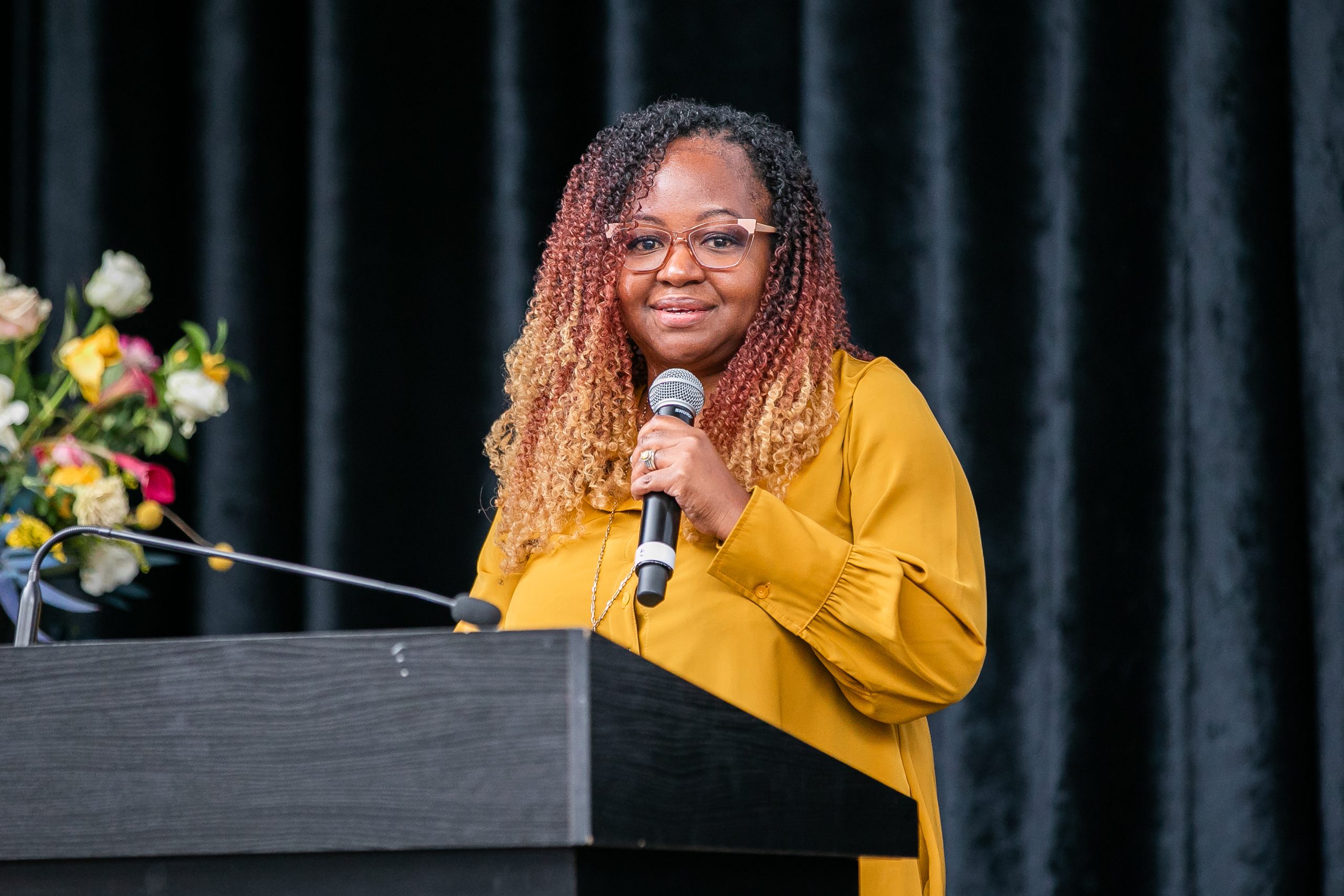
Makena Mworia, the Mastercard Foundation’s Head of Gender Entrepreneurship and Financial Inclusion, reflects on linking enterprise growth with dignified work and support that recognises women’s responsibilities.
Making regional trade work in practice
Angela Ching’ali of Tanzania’s Tantax Consultants Limited brought a hard-earned lesson to the discussion led by Viola Sawere of the Southern African Development Community Secretariat. A referral brought a customer; transport delays and extra charges cost her the continuing relationship. “Your vision should be bolder than your fears,” she said. Her experience also showed why dependable delivery partners matter.
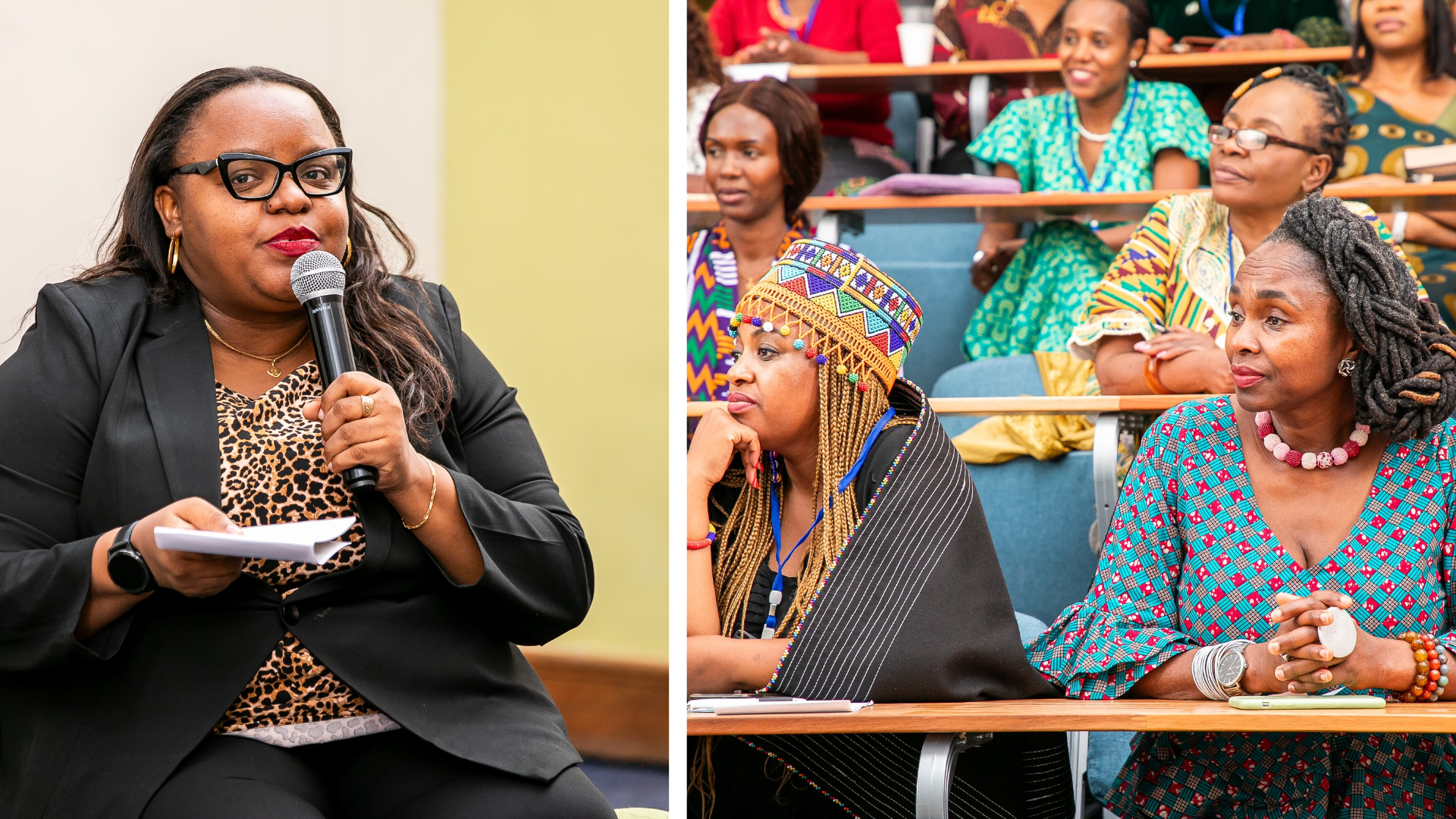
Angela Ching’ali of Tantax Consultants Limited, Tanzania, shares lessons about referrals, delivery partners, and retaining customers across borders.
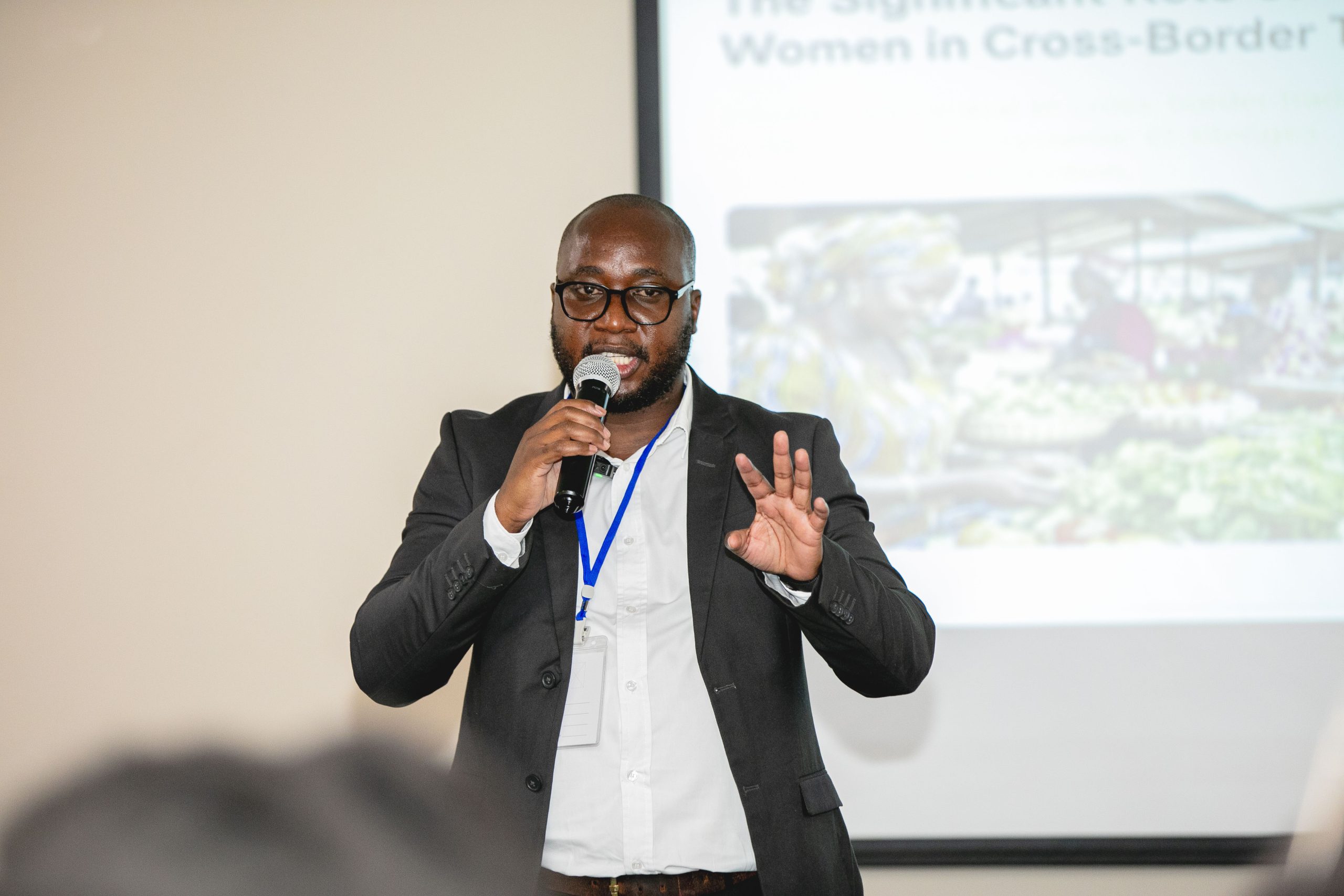
GIZ-SADC’s Tulo Makwati connected trade agreements with fulfilling orders.
Malerothoti Masiribane of Lesotho’s Thethana Pvt Ltd explained the cash-flow demands of supplying on consignment: production and delivery costs come before payment for sales. “Duty-free does not mean cost-free,” said Hlompho Marojele of Lesotho’s H. Mor Prvt Ltd. She had identified a possible collaboration with Sinthani Simkonda, founder of Malawi’s Elyn Baskets: stocking the baskets and supplying cotton laundry-bag liners.
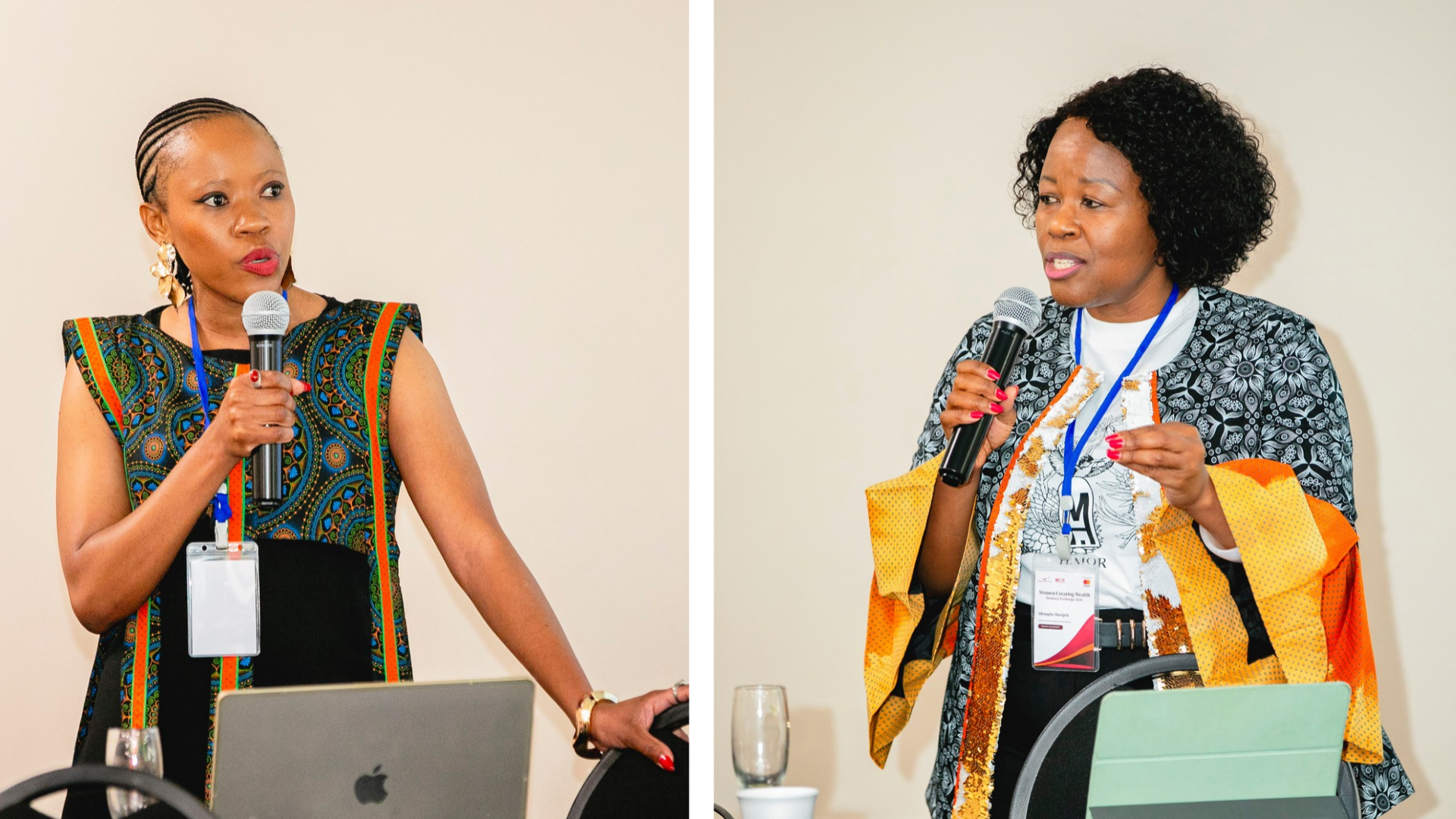
Lesotho entrepreneurs Malerothoti Masiribane of Thethana Pvt Ltd and Hlompho Marojele of H. Mor Prvt Ltd discuss the costs, documents and partnerships behind cross-border trade.
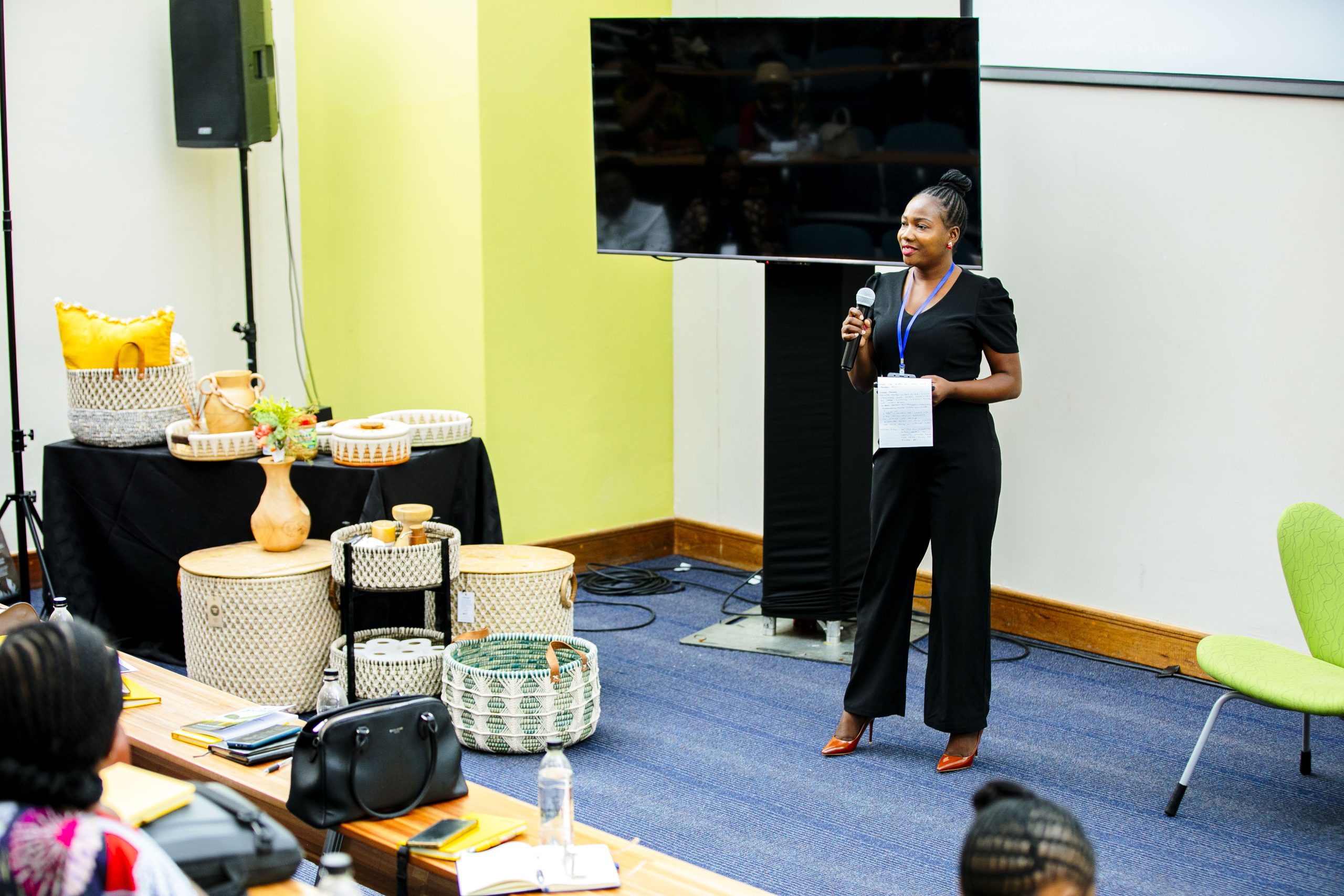
Sinthani Simkonda, founder of Malawi’s Elyn Baskets.
For Phiwokuhle Shabangu of South Africa’s MokokaShabangu Farming and Poultry (Pty) Ltd, that practical detail was exactly what she had come for:
“I would say that the Business Exchange this year did meet my expectations. There was a lady from Lesotho who was talking about fashion and exporting, and the nuggets she gave us on what you really need to export – country requirements, labelling, packaging, origin, and pricing – really spoke to me because exporting is part of the reason why I am here and want to learn.”
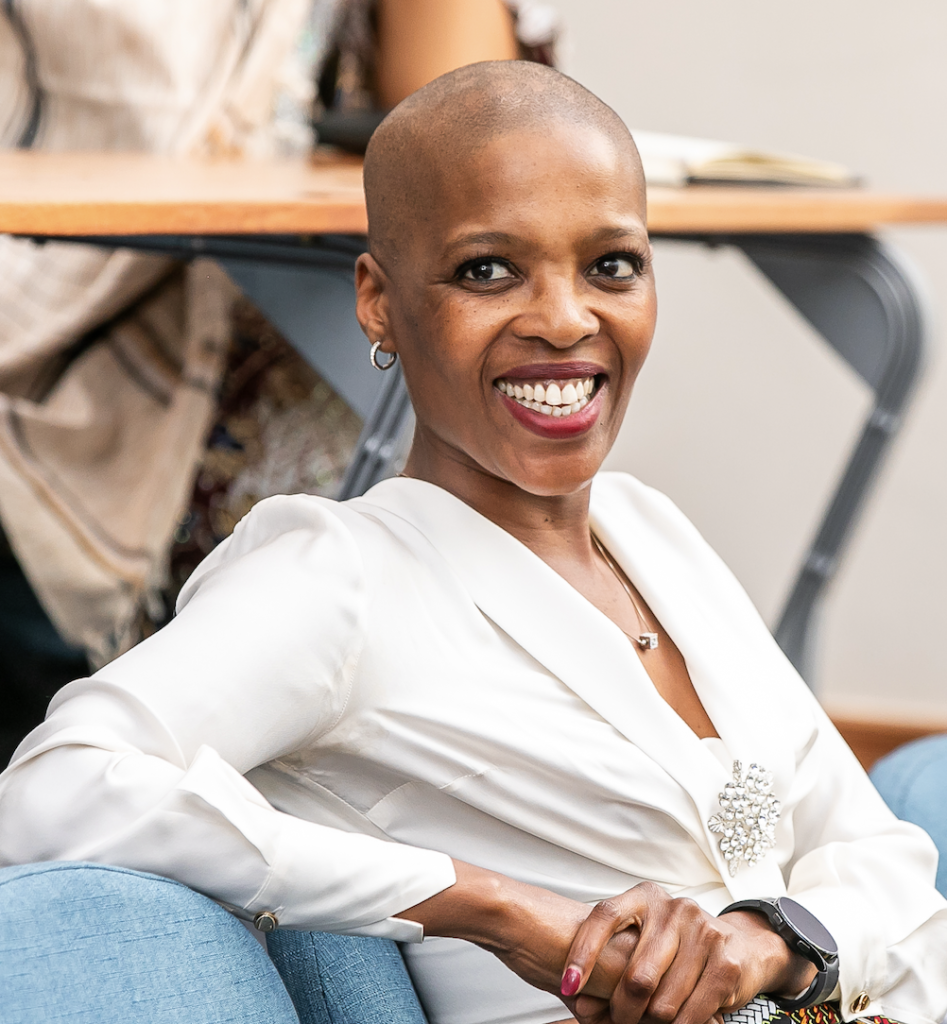
Phiwokuhle Shabangu of MokokaShabangu Farming and Poultry (Pty) Ltd, South Africa, takes away practical lessons on export requirements, labelling, packaging and pricing.
Taking products online
Carl Erasmus, Go Trade Champion at DHL Express, addressed digital selling, from showcasing products and attracting enquiries to secure payments, delivery and customer relationships. Finding a buyer online, he showed, is only the beginning of the transaction.
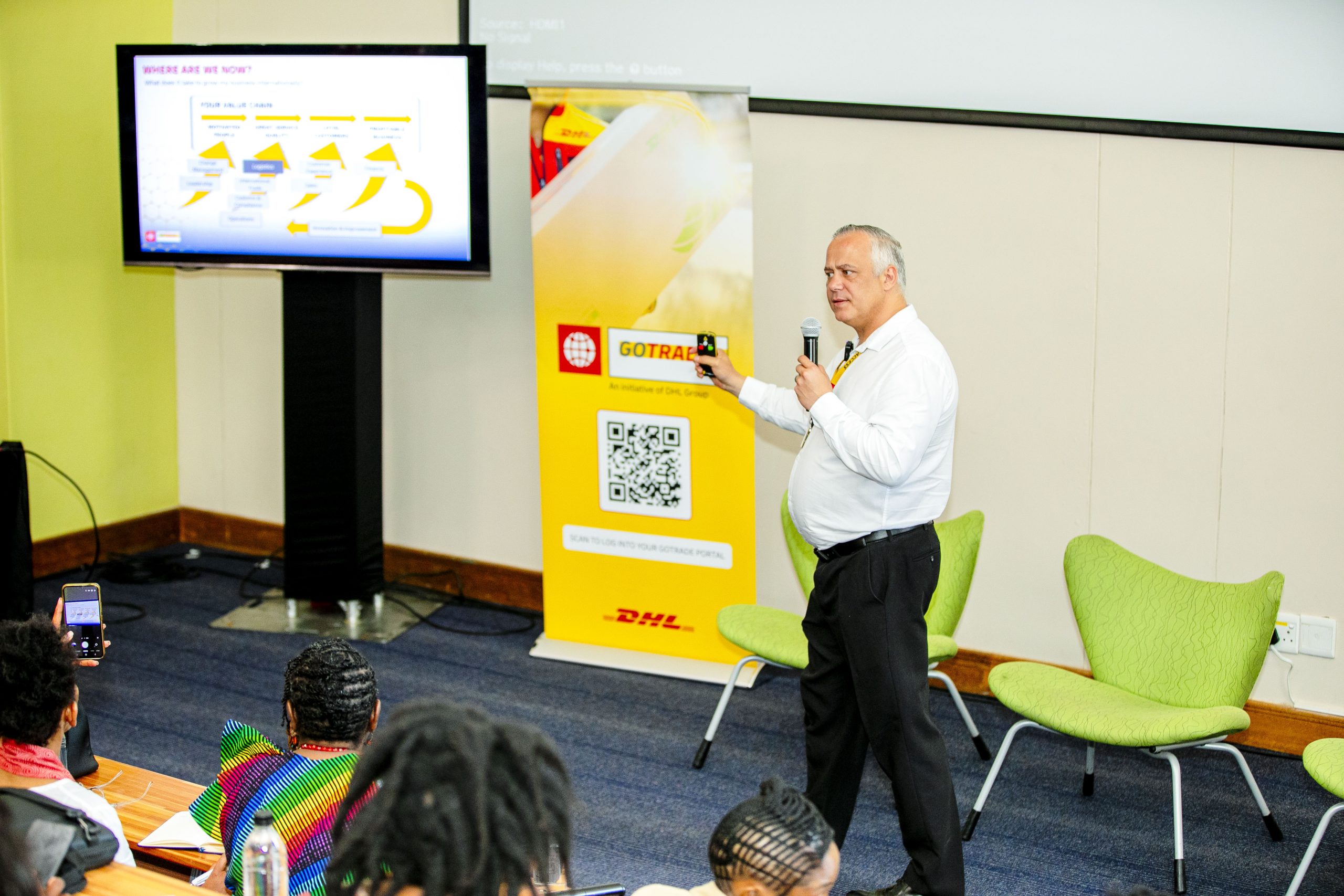
DHL Express Go Trade Champion Carl Erasmus connects digital visibility with the practical work of payments, delivery and lasting customer relationships.
For Linda Yombi Chitwamali of Zambia’s Maxlin Enterprise Limited, the session prompted a rethink:
“What I’m taking home today is the aspect of e-commerce. DHL did a fabulous presentation with all the statistics of how people are now buying from the internet. Looking at the statistics and how simplified it was put, I’m forced to say I should move onto it. Yes, we are on socials, advertising, and billboards, but the digital space is something we have not max leveraged or taken seriously enough.”
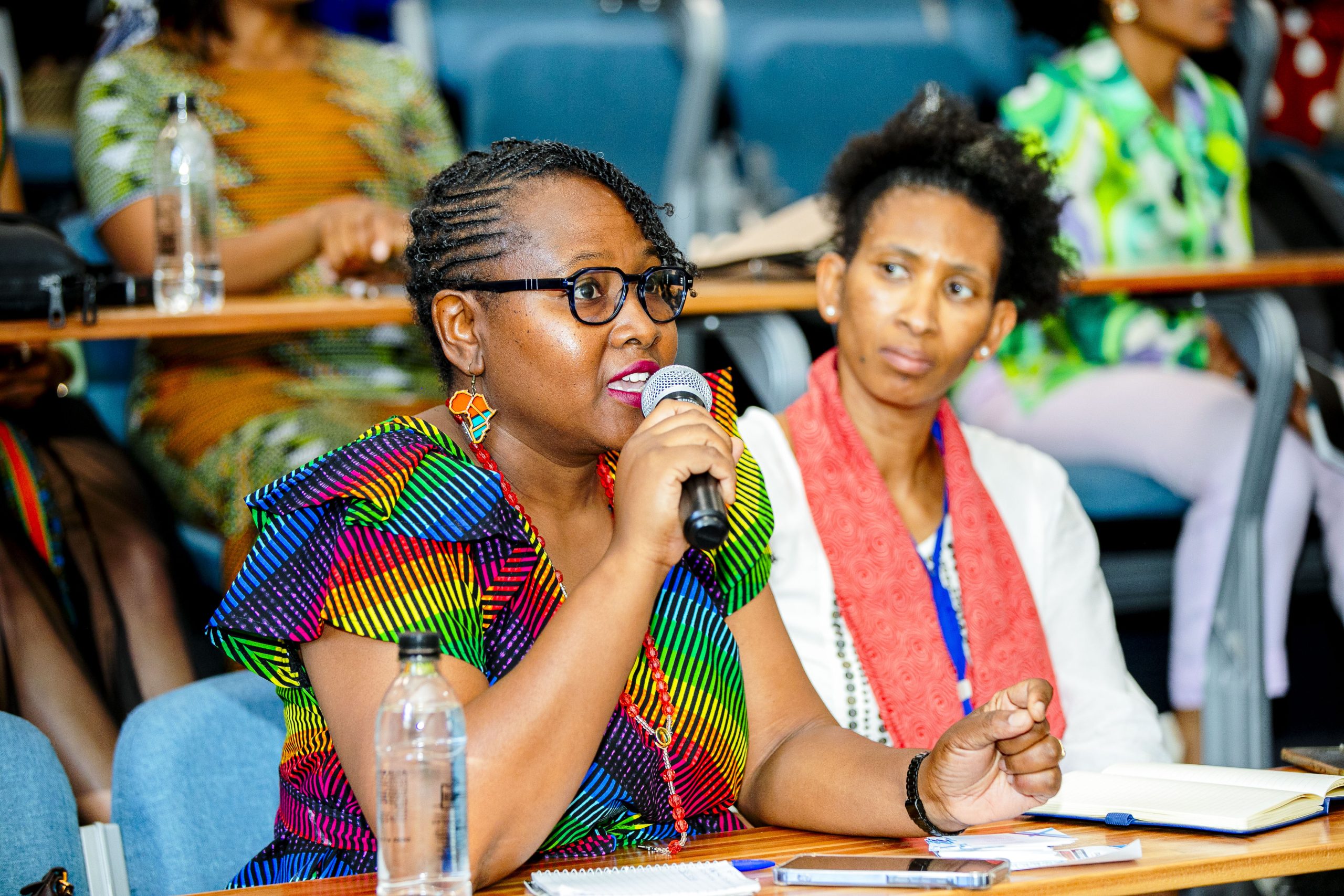
Linda Yombi Chitwamali of Maxlin Enterprise Limited, Zambia, plans to take her business further into the digital space.
Taking the Exchange forward
Korkor Cudjoe, the Trust’s Senior Manager for Entrepreneurship, set out the next step: “When you see potential, agree on the next step, who will take it and when you will reconnect. Our marketplace and a 90-day follow-up process will help us keep that work going.”
That follow-through supports the commitment of Shiphra Chisha, the Trust’s Chief Executive Officer, to measure success through commercial relationships, finance mobilised, contracts, business expansion and future job creation. Closing the Exchange, she said:
“We have demonstrated that when women’s capability meets capital, markets, and the right partners, businesses grow, jobs are created, and our economy transforms.”
First-time participant Noluthando Mahlobo, a young entrepreneur and author with South Africa’s TNE Agri-Group, offered advice for other young people attending events like this:
“What I liked was getting to talk to adults, engage with them, and learn from their experience and expertise to see the world of entrepreneurship wider. My advice is: be proactive and do not be shy. If you see someone who is doing something you’re intrested in, go learn about their business. You will get so much knowledge and get tips on mistakes to avoid.”
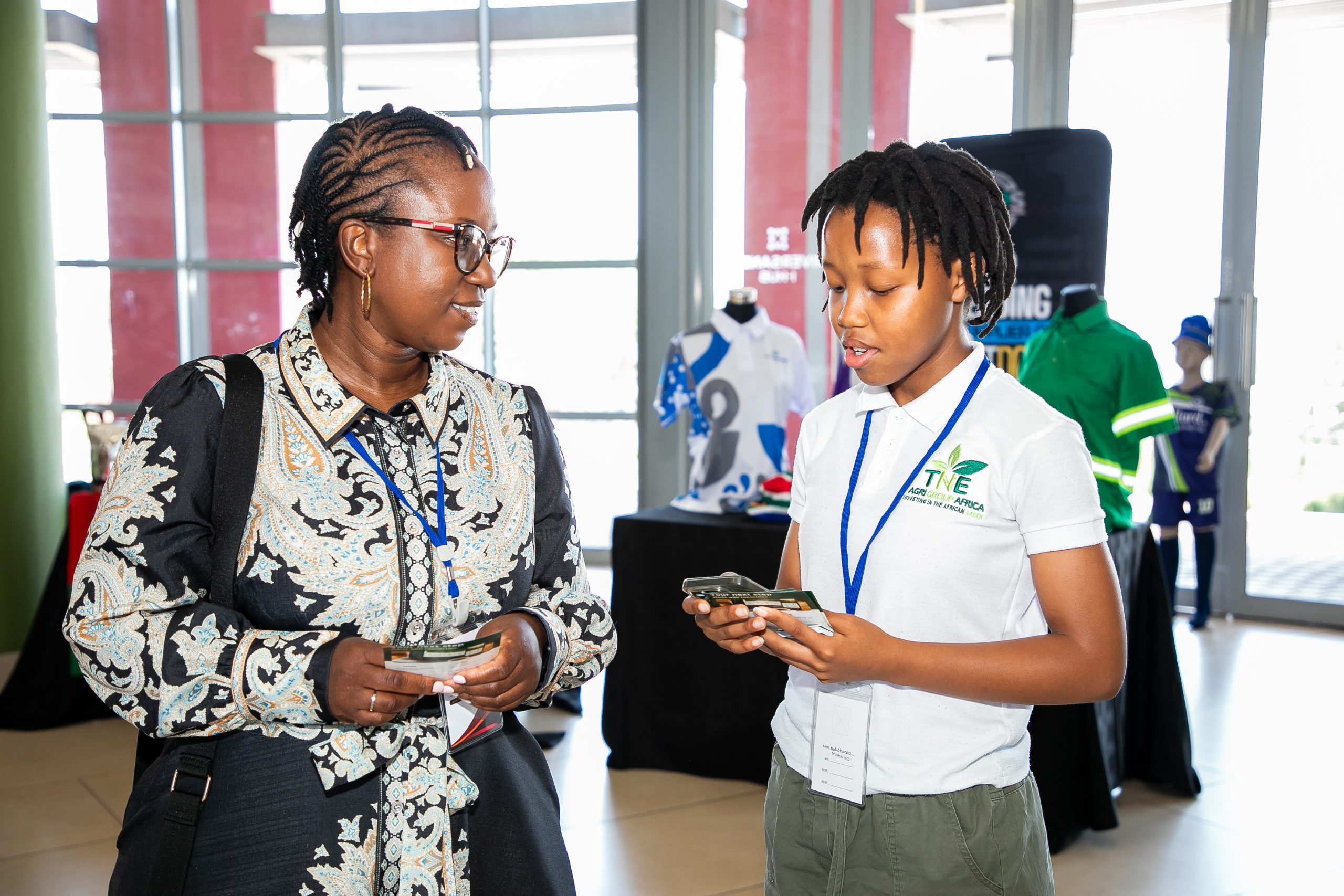
Noluthando Mahlobo of TNE Agri-Group, South Africa, learns from the experience of established entrepreneurs at her first WCW event.
Buyers, financiers and corporates can take part through the WCW Business Community and Marketplace, bringing a procurement need, financing offer or distribution opportunity.
Read part one: Ten years of Women Creating Wealth: where capability meets commerce
Authors:
Author
