
Sandra Kambikambi faced a choice: keep money in her business to cover its daily needs or spend it travelling to meet potential partners. The founder of Zambia’s MyScape Hub chose the trip. She wanted relationships that could help her enter new markets.
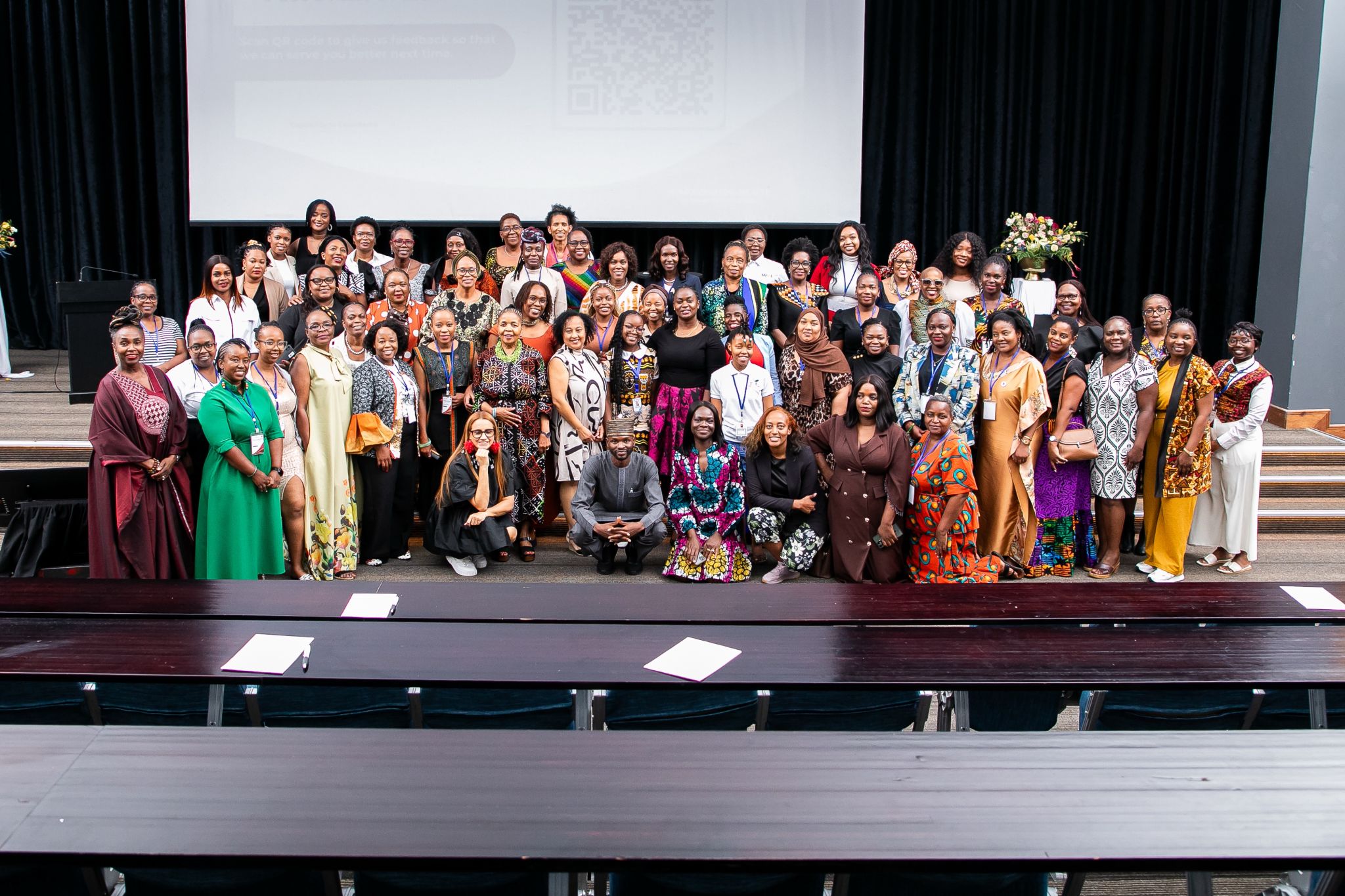
She shared that calculation during the opening entrepreneur panel at the Graça Machel Trust’s first Women Creating Wealth (WCW) Business Exchange. Held on 12–13 November 2026 at The Canvas, Riversands Innovation Hub, Johannesburg, it marked ten years of WCW under the theme “From Capability to Commerce”. Close to 150 participants attended from Botswana, Kenya, Lesotho, Malawi, Senegal, South Africa, Tanzania, and Zambia, united by one challenge: connecting business capabilities with the customers, capital, and partnerships needed for growth.
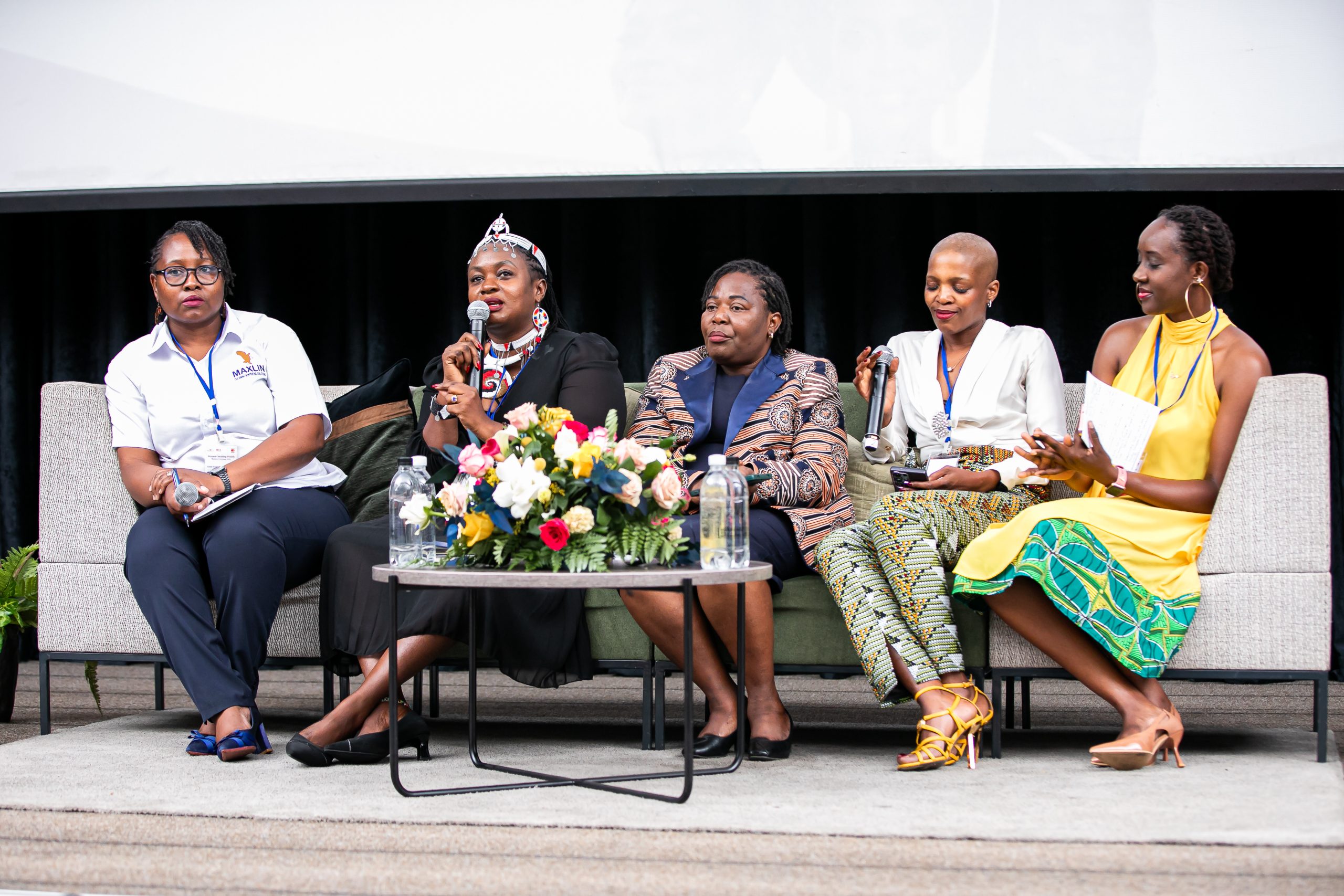
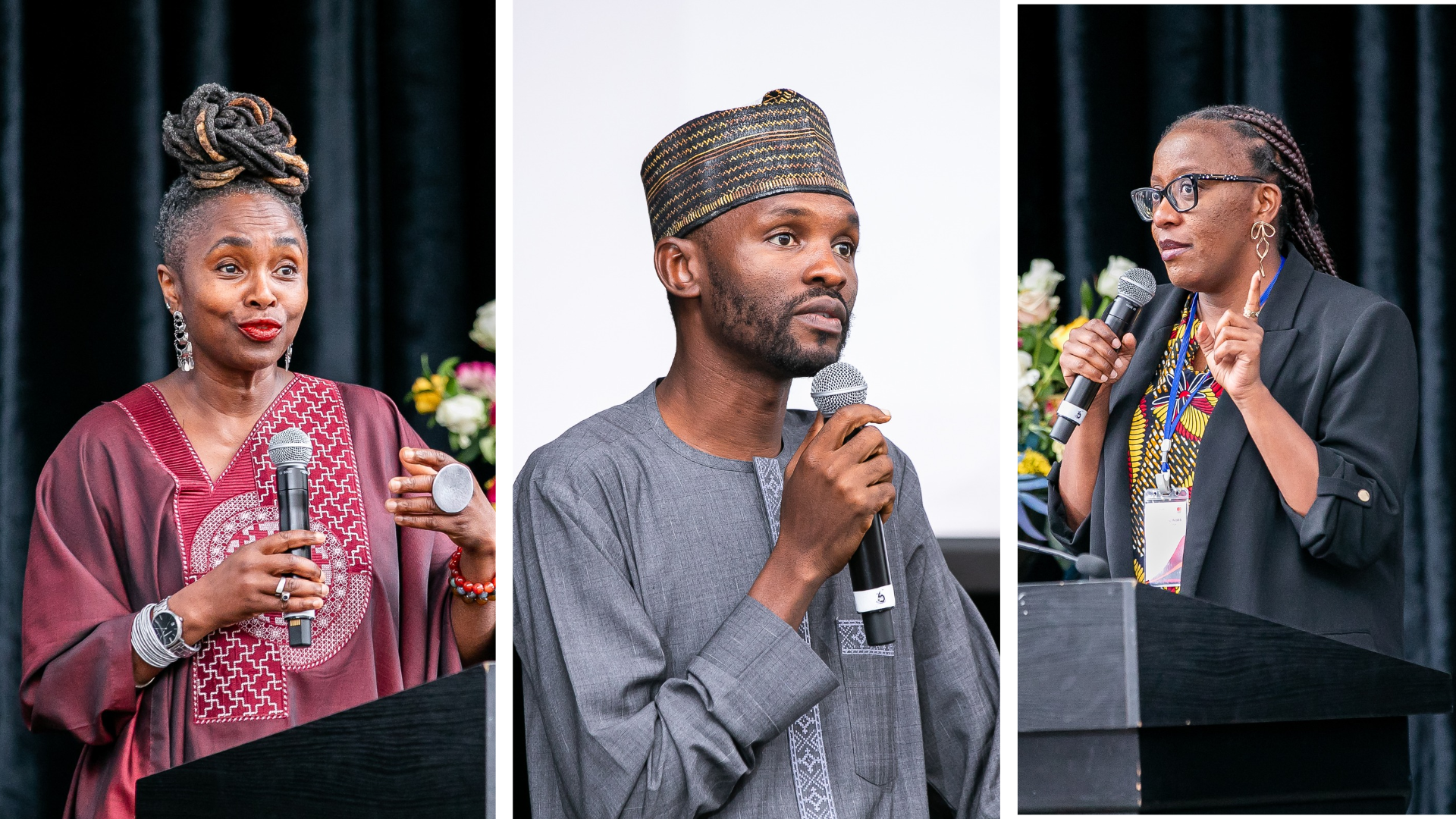
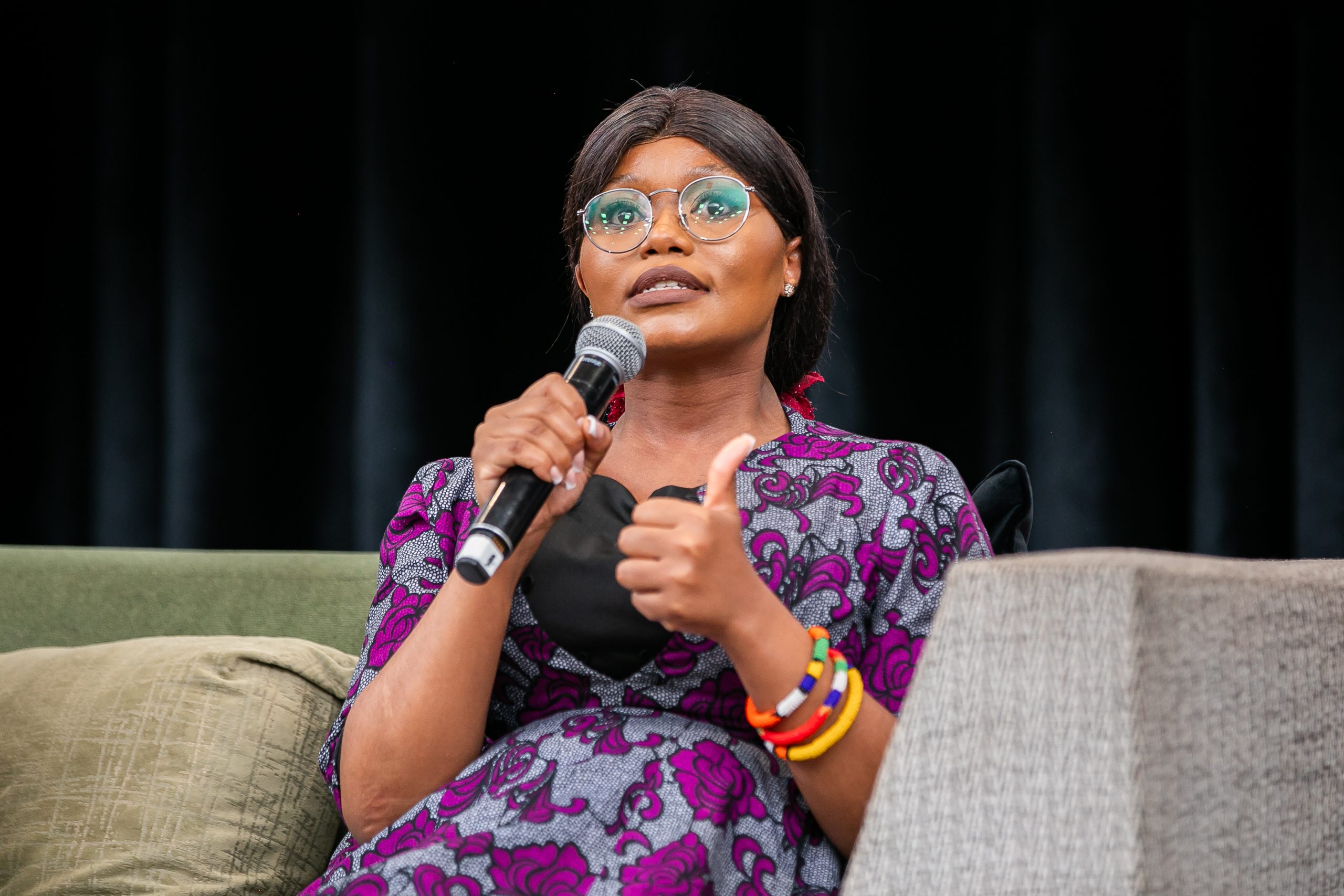
Linda Yombi Chitwamali of Maxlin Enterprise Limited (Zambia), Catherine Jamu of KAYS Design (Malawi), Carolyne Mziray Mshighati of Agrocan (Tanzania), Phiwokuhle Shabangu of MokokaShabangu Farming and Poultry (Pty) Ltd (South Africa), and Sandra Kambikambi of MyScape Hub (Zambia) share their business experiences and ambitions during the opening entrepreneur panel.
Sandra was not the only founder to make that investment. Martha Mbewe, Executive Founder of Greens & Dries Food Solutions in Zambia, came ready to trade:
“Why would I not take my money this time around? Previously, GMT has been paying for everything, but this year when they asked to see our capacity, I was ready to come and make deals. I’m leaving this Business Exchange with deals and orders from Botswana, as well as product inquiries. I’m coming out of this conference full.”
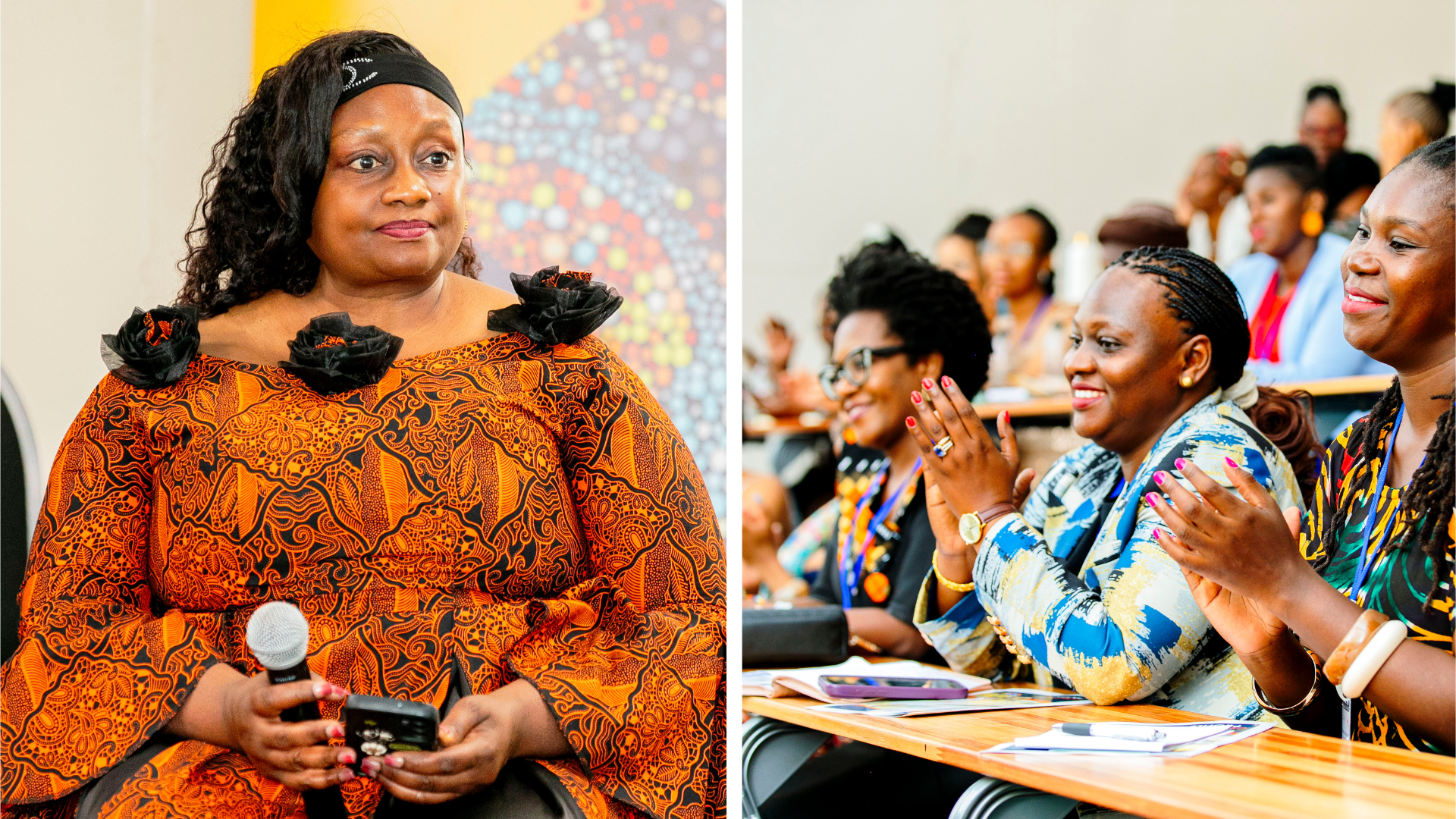
Martha Mbewe of Greens & Dries Food Solutions, Zambia, leaves the WCW Business Exchange 2026 with deals and orders from Botswana.
Shaping an economy in which women prosper
Across seven countries, Women Creating Wealth combines leadership and business development with support to access finance and markets. Since 2023, the Trust’s partnership with the Mastercard Foundation has helped scale the WCW Intergenerational programme, supporting women in growing enterprises and creating employment.
Shiphra Chisha, the Trust’s Chief Executive Officer, placed this work within a broader economic ambition:
“Our ambition is not only to prepare women for the economy as it exists today, but to work with our partners to shape an economy in which African women can participate, compete and prosper.”
Relationships that turn into business
Korkor Cudjoe, the Trust’s Senior Manager for Entrepreneurship, set out what comes after training: connecting entrepreneurs’ skills with customers, distribution and finance.
“This is how our mission for African trade becomes practical: when you discover what you can buy from one another, sell to one another and build together across borders.”
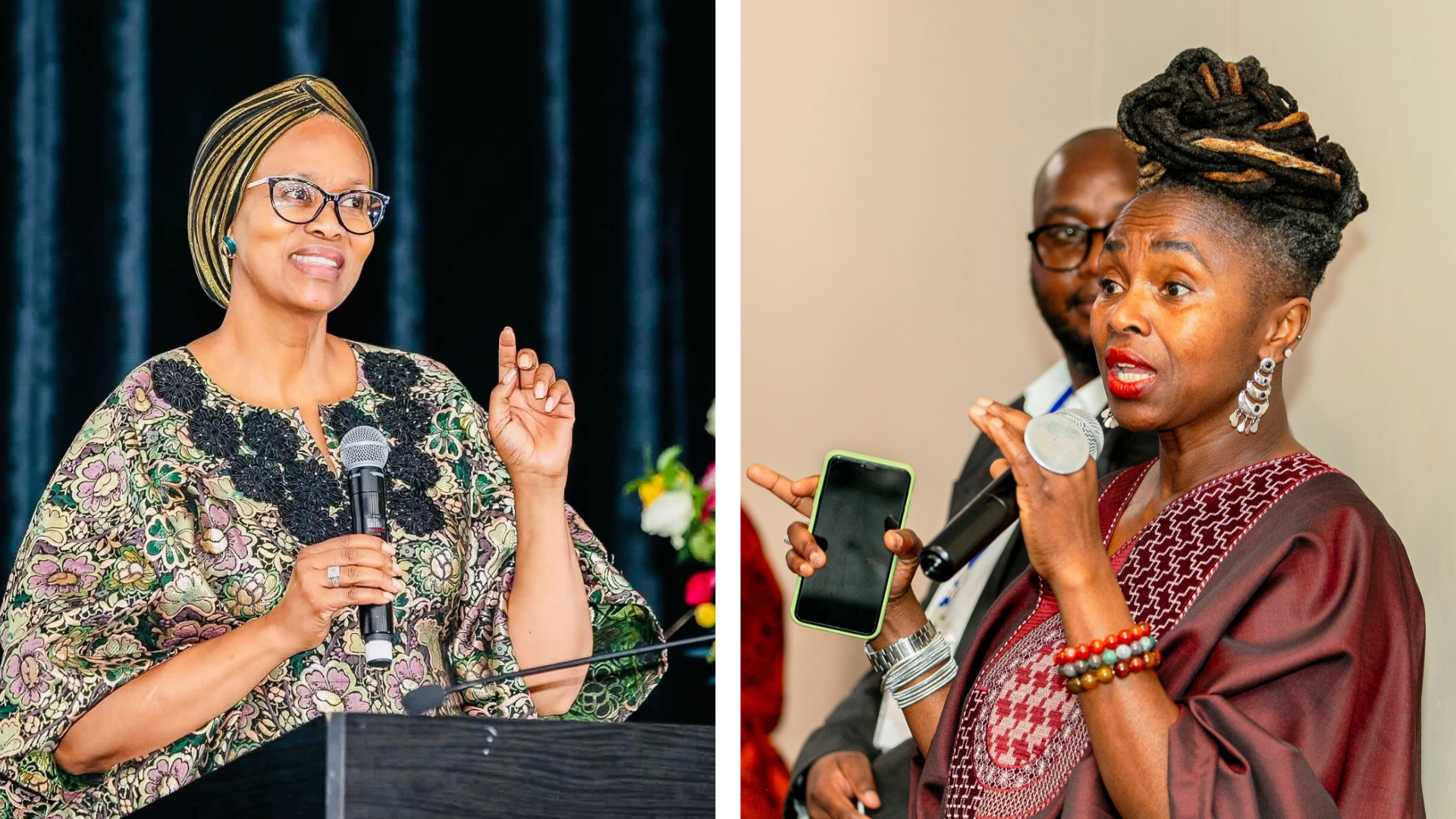
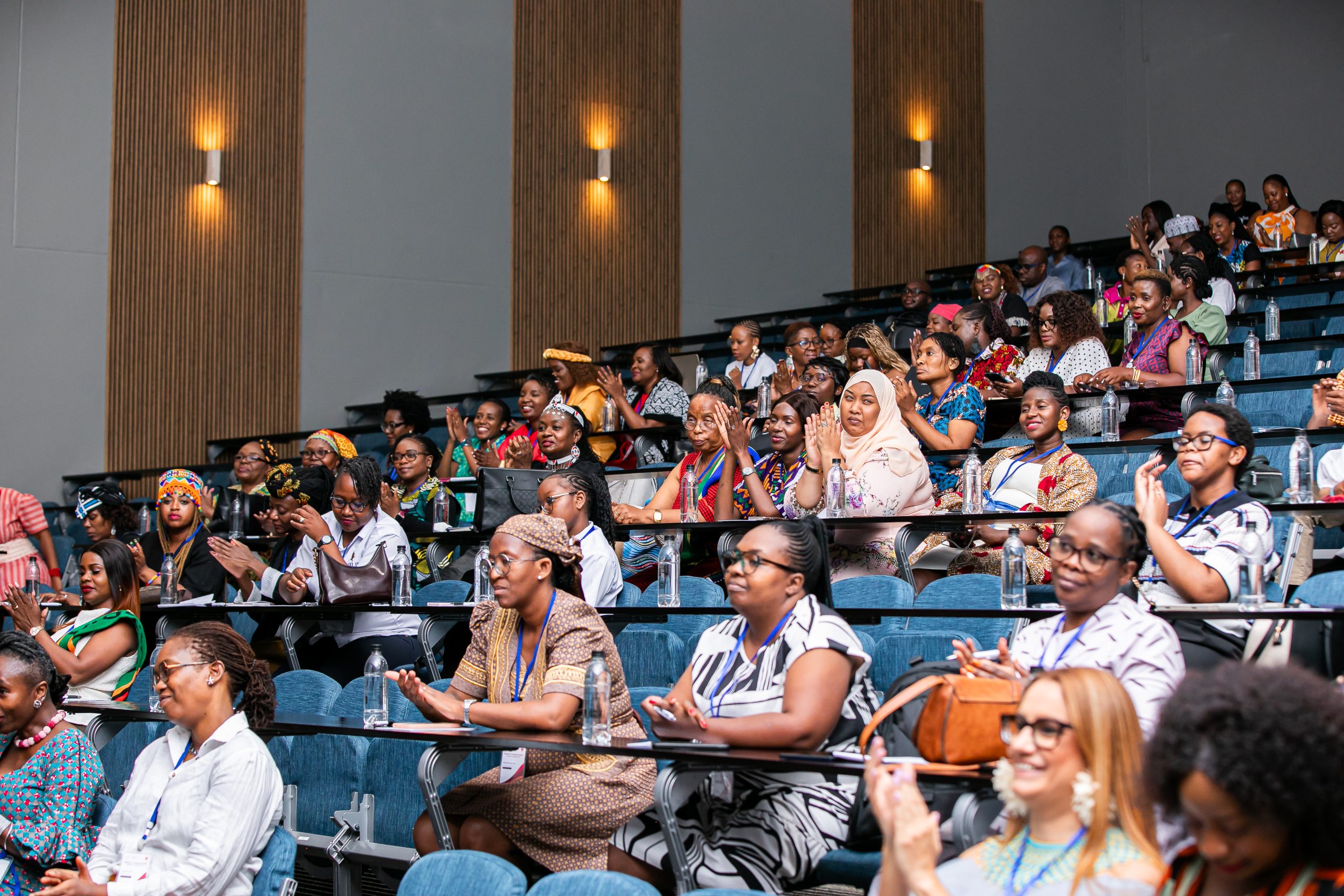
Shiphra Chisha, CEO of GMT, and Korkor Cudjoe, Senior Manager for Entrepreneurship, connect the Trust’s economic ambitions with practical opportunities for women entrepreneurs to trade, secure finance, and build partnerships.
Business speed dating put those connections into practice. Entrepreneurs explained their offers and identified potential collaborators, each bringing knowledge as well as a request. Linda Yombi Chitwamali of Zambia’s Maxlin Enterprise Limited, for example, offered her experience of managing large teams.
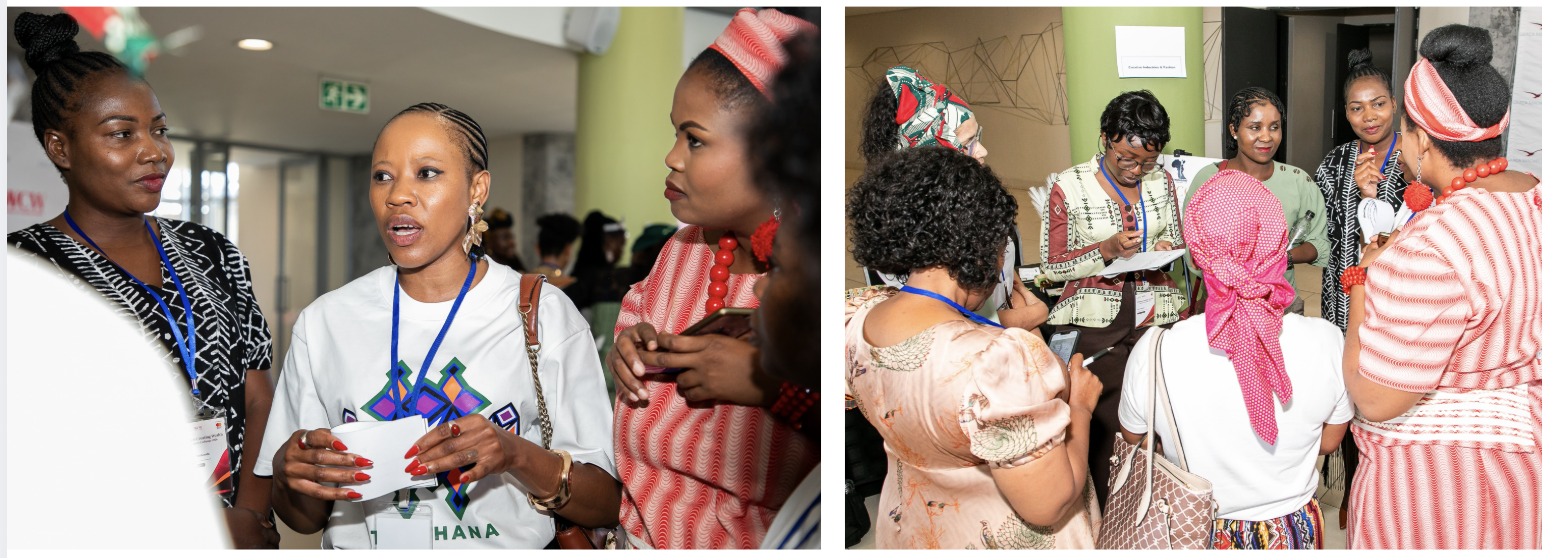
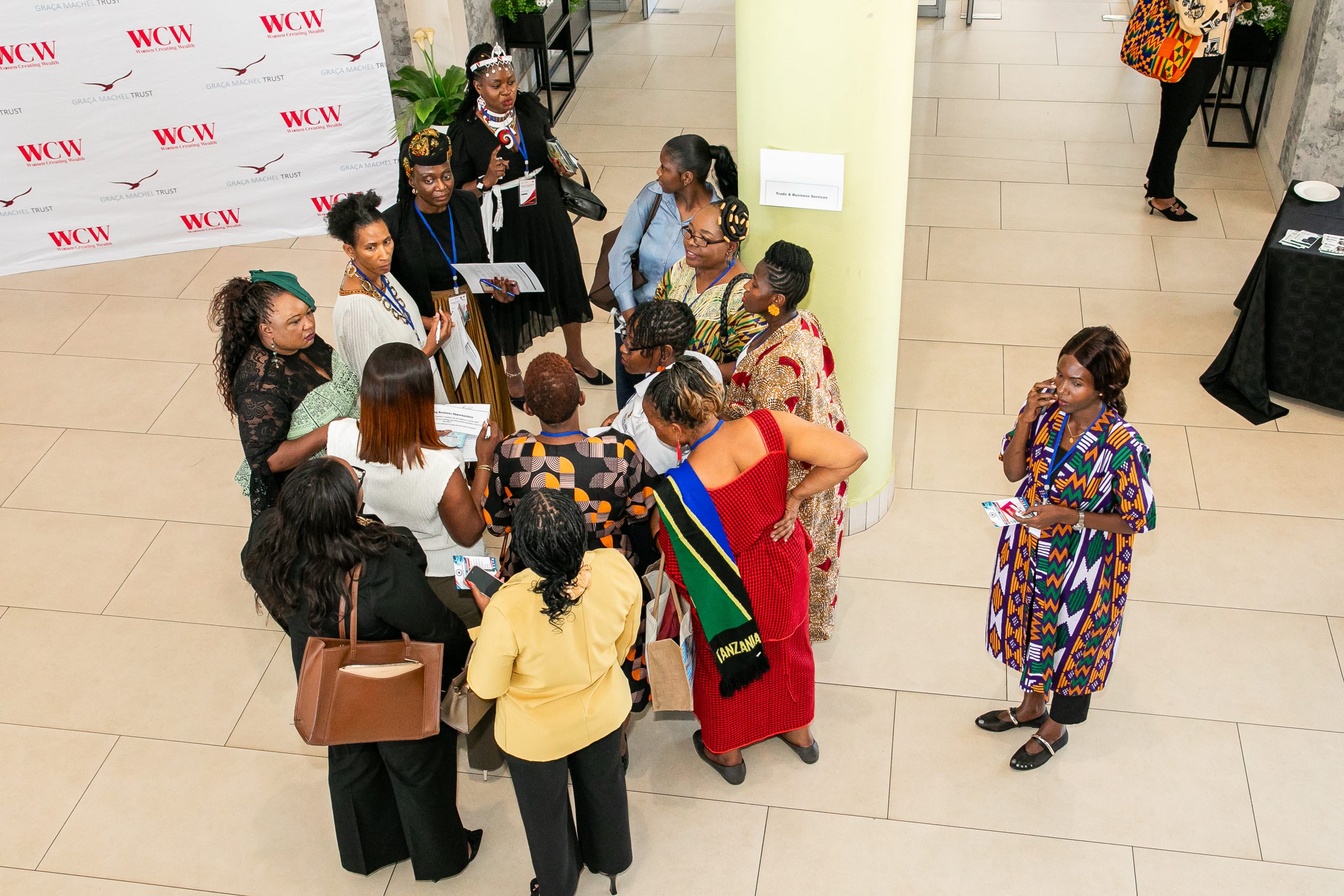
Women entrepreneurs exchange business information and explore potential collaborations during business speed dating at the WCW Business Exchange 2026.
For Nonkululeko Williams, Founder and CEO of South Africa’s Luminous Era, the conversations opened markets she had not considered:
“I’m walking away with more than just selling sunscreen for households—you’re looking at outdoor sectors like agriculture, farming, construction, and schools for kids. So there’s a lot of opportunities for myself and the impact I’ll bring to my community. It was definitely worth it, and I did make some sales.”
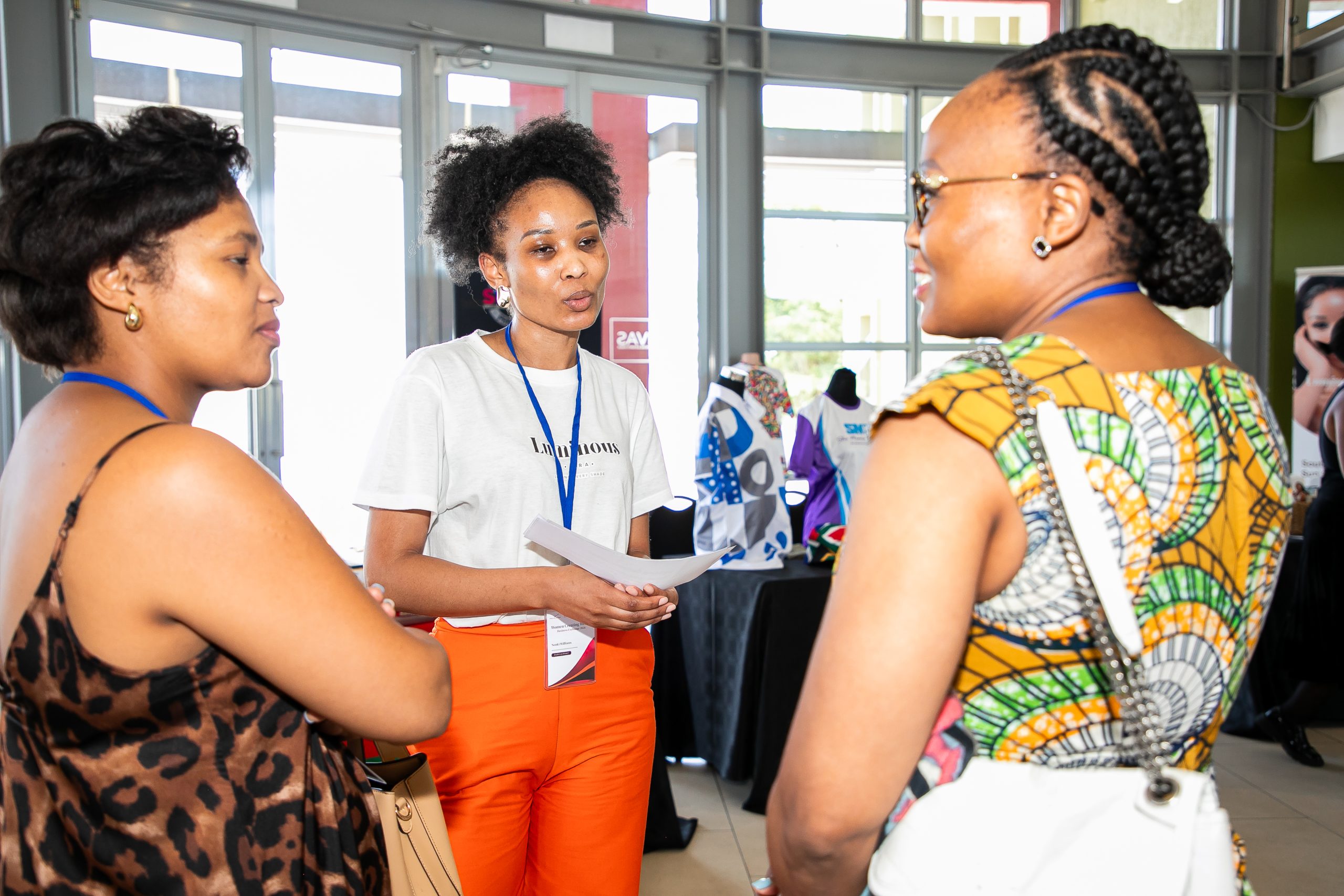
Nonkululeko Williams (centre) of Luminous Era, South Africa, identifies new markets for her sunscreen products in agriculture, construction and schools.
A decade of growth and lessons
The Trust’s Monitoring, Evaluation, Research and Learning Officer, Rinji Kwarkas, reported that around 3,500 women in the latest Intergenerational project had created job opportunities for more than 43,000 people. These figures reflected participants who had supplied business data.
Juliet Kimotho, the Trust’s Advocacy Manager, explained how women’s networks engage regulators and lenders, including raising awareness in Zambia of movable assets as possible collateral. “It’s not enough for you to just sit in the room,” she said, urging women to articulate the changes their businesses need. Korkor connected that advocacy with WCW’s work to strengthen businesses and address institutional barriers.
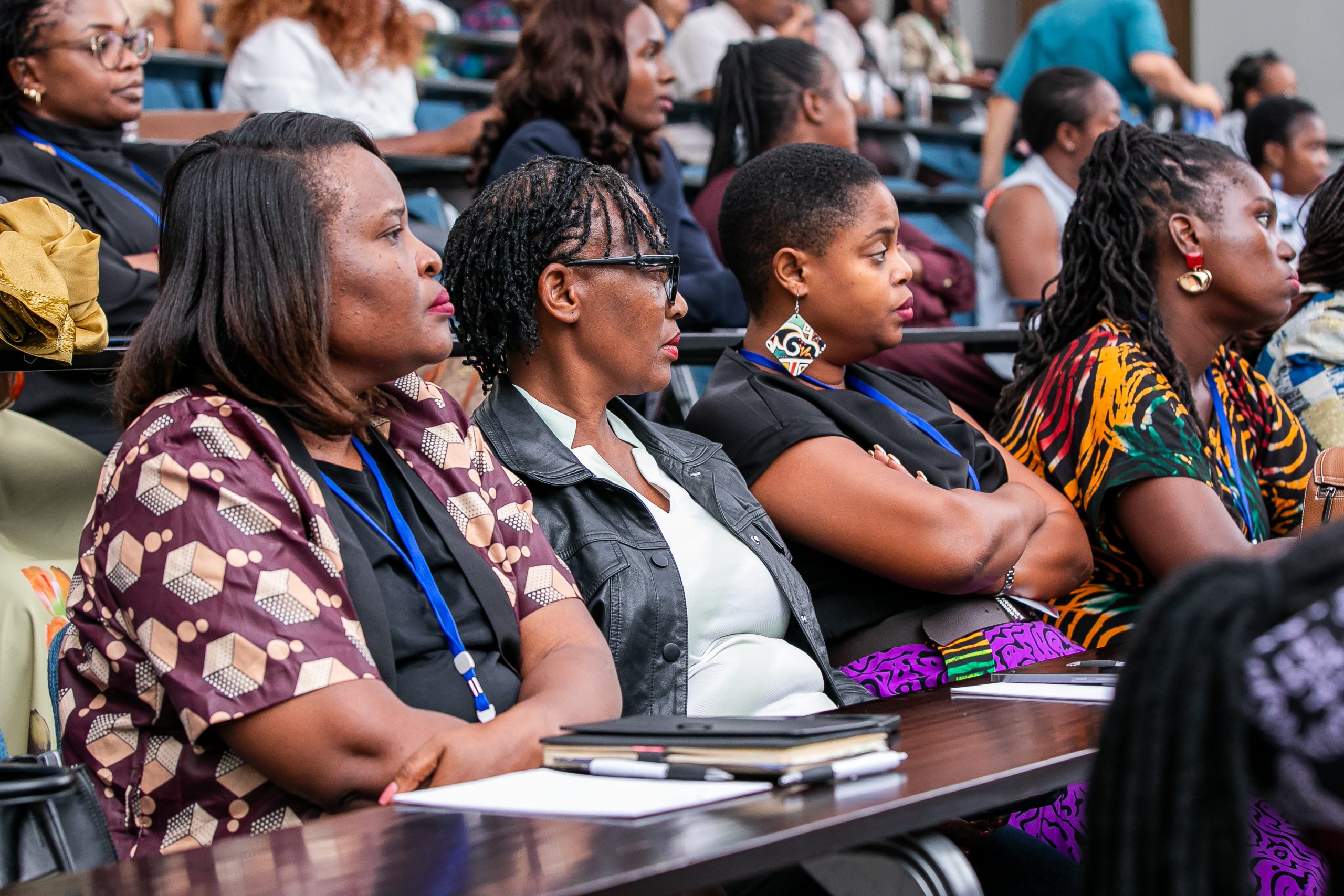
Korkor Cudjoe, Rinji Kwarkas and Juliet Kimotho reflect on WCW’s results and the connections between business development, women’s networks and institutional change.
“I started with just a plinth, a massage bed,” recalled Gugu Masondo, founder of South Africa’s The Blend Wellness Group. A WCW participant since 2019, she described expanding from a caravan converted into a mobile spa to premises in a shopping mall. Now a master mentor, she shares that she is learning with other entrepreneurs.
From a single massage bed to a growing wellness business: Gugu Masondo of The Blend Wellness Group, South Africa, reflects on her experience with WCW and mentoring other entrepreneurs.
The Entrepreneur Recognition Awards celebrated five women for achievements in mentorship, leadership, innovation, job creation, and enterprise growth.
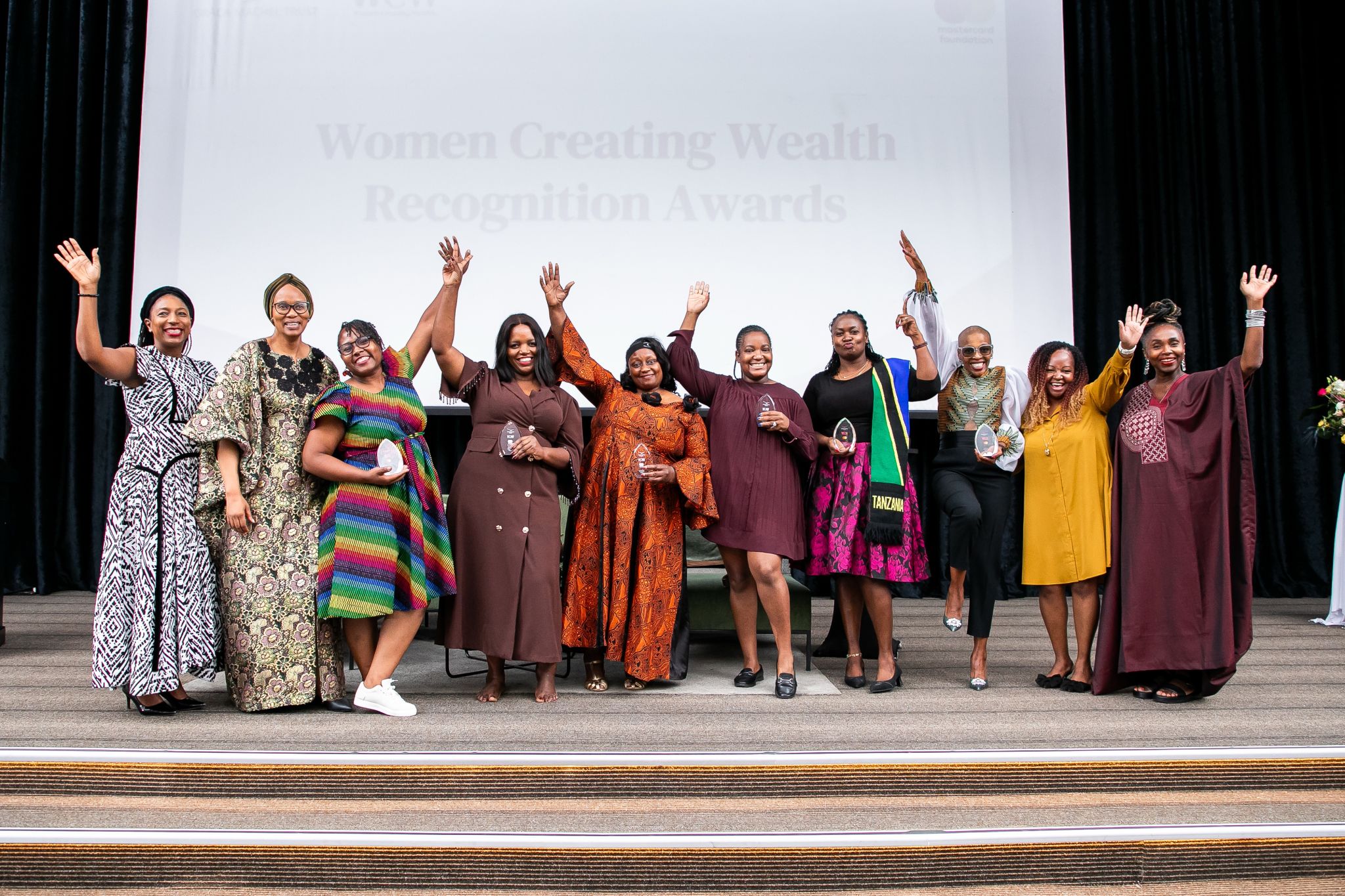
Recognising business achievement and the opportunities it creates for others: Linda Yombi Chitwamali (Zambia), Community & Mentorship; Phiwokuhle Shabangu (South Africa), Leadership & Personal Mastery; Octavia Mthembu (South Africa), Innovation & Market Trailblazer; Martha Mbewe (Zambia), Outstanding Job Creator; and Carolyne Mziray Mshighati (Tanzania), Enterprise & Growth.
Ndabile Sibanda, an entrepreneur from Zambia, encouraged other women entrepreneurs to take part in future WCW Business Exchanges:
“Don’t think twice about coming to events like this. Get up – whether by bus, flying, or train – and come make collaborations, friendships, and build networks. We are all one family and sisters in here. The relationships we’ve built will not just end within this building. Get contacts and connect, connect.”
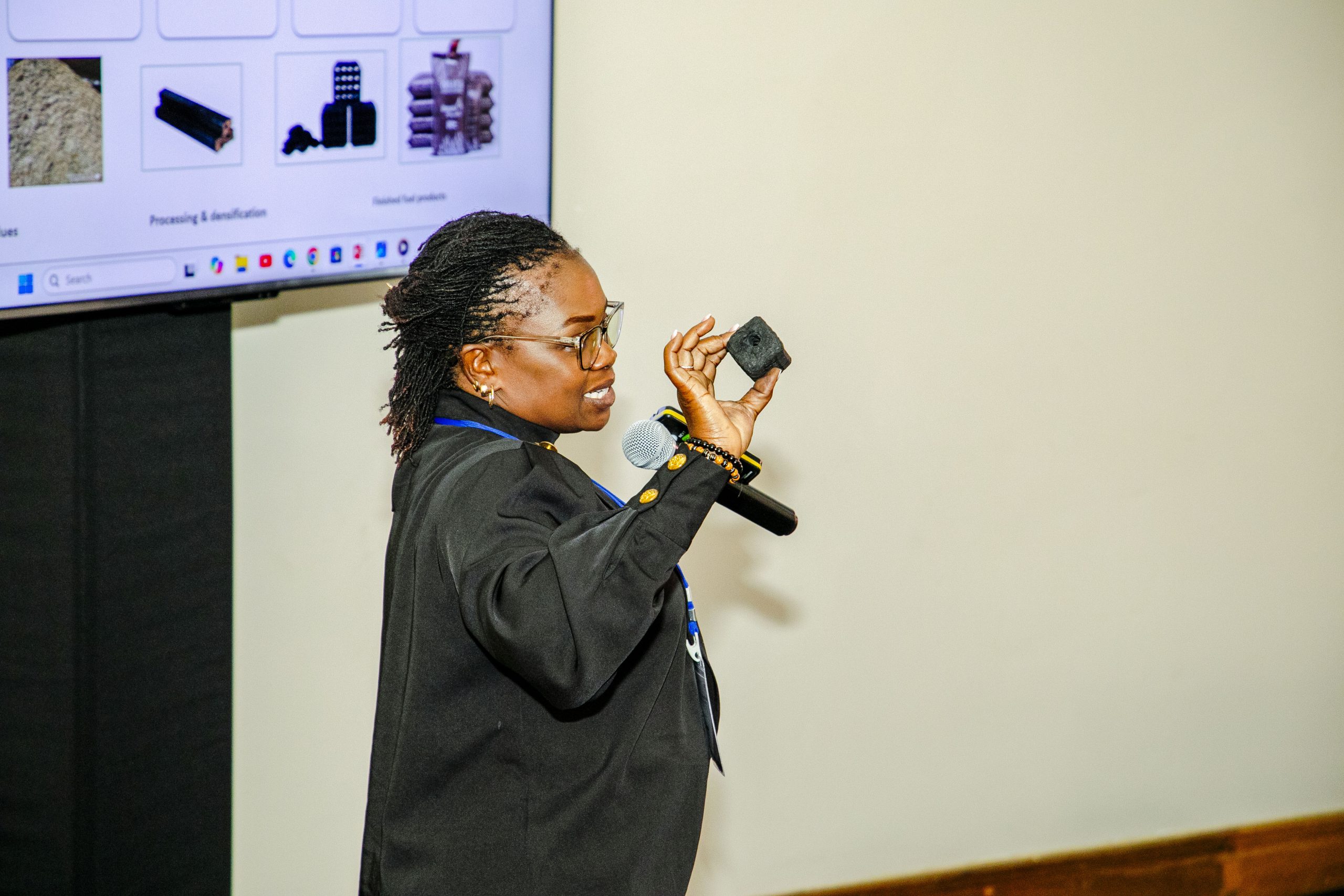
Ndabile Sibanda of Base Chemicals Smokeless Charcoal, Zambia, encourages women entrepreneurs to build networks and collaborations at future WCW Business Exchanges.
The Trust’s 2025–2035 strategy connects women’s economic advancement with collective action and institutional change. For the Mastercard Foundation, the partnership rests on a shared belief in the potential of African women. Makena Mworia, the Foundation’s Head of Gender Entrepreneurship and Financial Inclusion, described what has stood out most:
“Reflecting on our work together, what stands out is not necessarily the statistics, reach or scale, although those are impressive. What really stands out to us is the shift in agency. We have seen how providing the right tools, networks and capital to your enterprises creates a ripple effect that touches entire communities.”
For Sandra and her fellow founders, the return on attending will be measured in the business those relationships make possible.
Read part two: Winning orders, finance and markets: practical lessons from the WCW Business Exchange.
Authors:
Author
