
“Her childhood is not a burden to get rid of.” From safe school transport to skills training for teenage mothers, girls identified practical support to keep learning and build livelihoods.
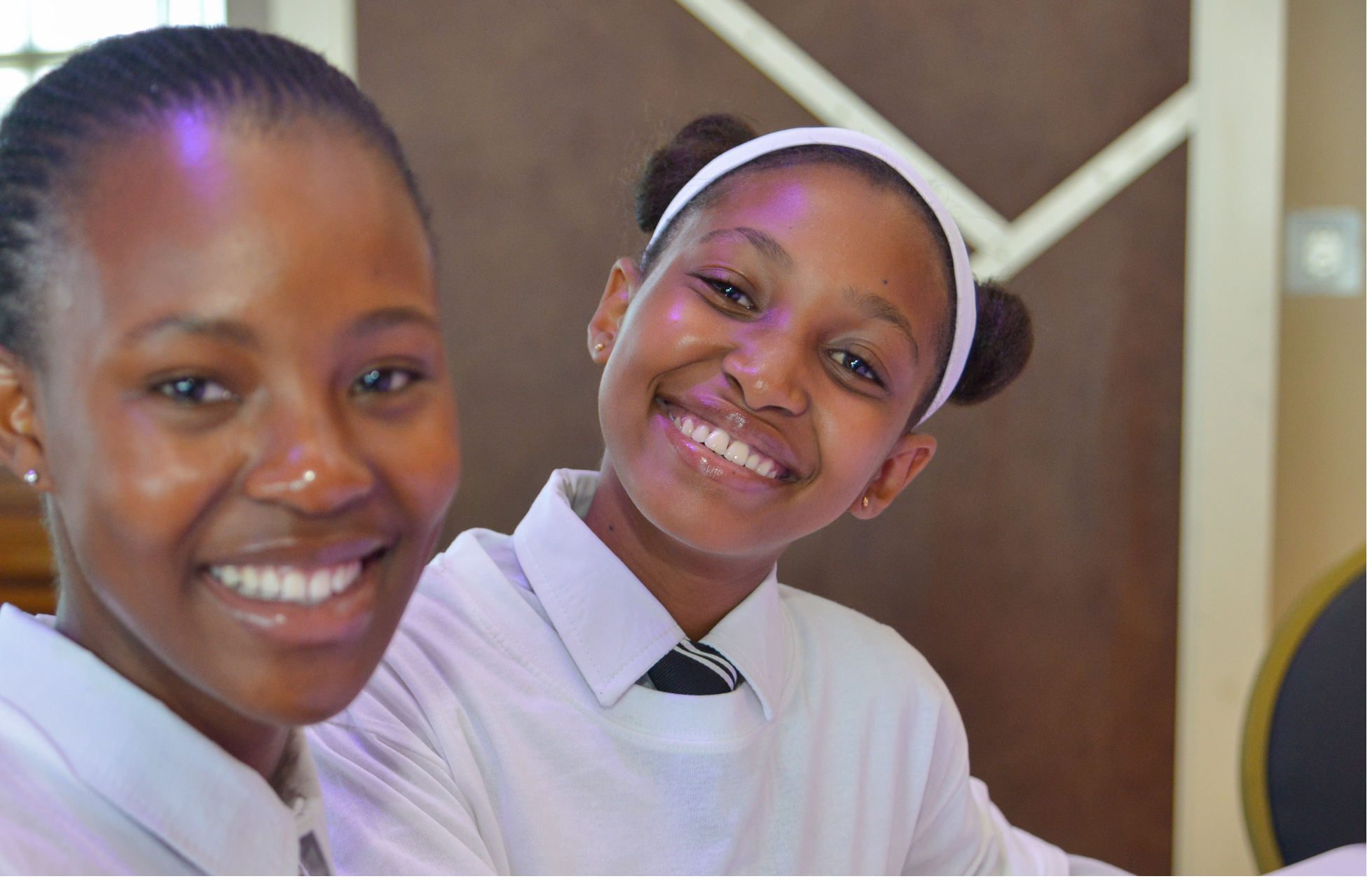
Girls at a previous Graça Machel Trust event. Archive photograph.
The Graça Machel Trust’s Pan-African Adolescent Girls’ Movement hosted a girl-led webinar on 10 October 2026, ahead of International Day of the Girl Child on 11 October. The session was in partnership with the Civil Society Forum on the African Charter on the Rights and Welfare of the Child, known as the CSO Forum. It brought together 81 participants under the theme “End Child Marriage and Invest in Girls’ Rights.”
Sibusisiwe from South Africa challenged the idea that marriage could resolve the pressures facing a girl’s family.
“Her childhood is not a burden to get rid of.”
Sibusisiwe, South Africa
Another participant brought the discussion back to the cost of staying in school. “I would make sure every girl can stay in school until 18 for free,” she wrote. Her next message was shorter: “A safe school bus.”
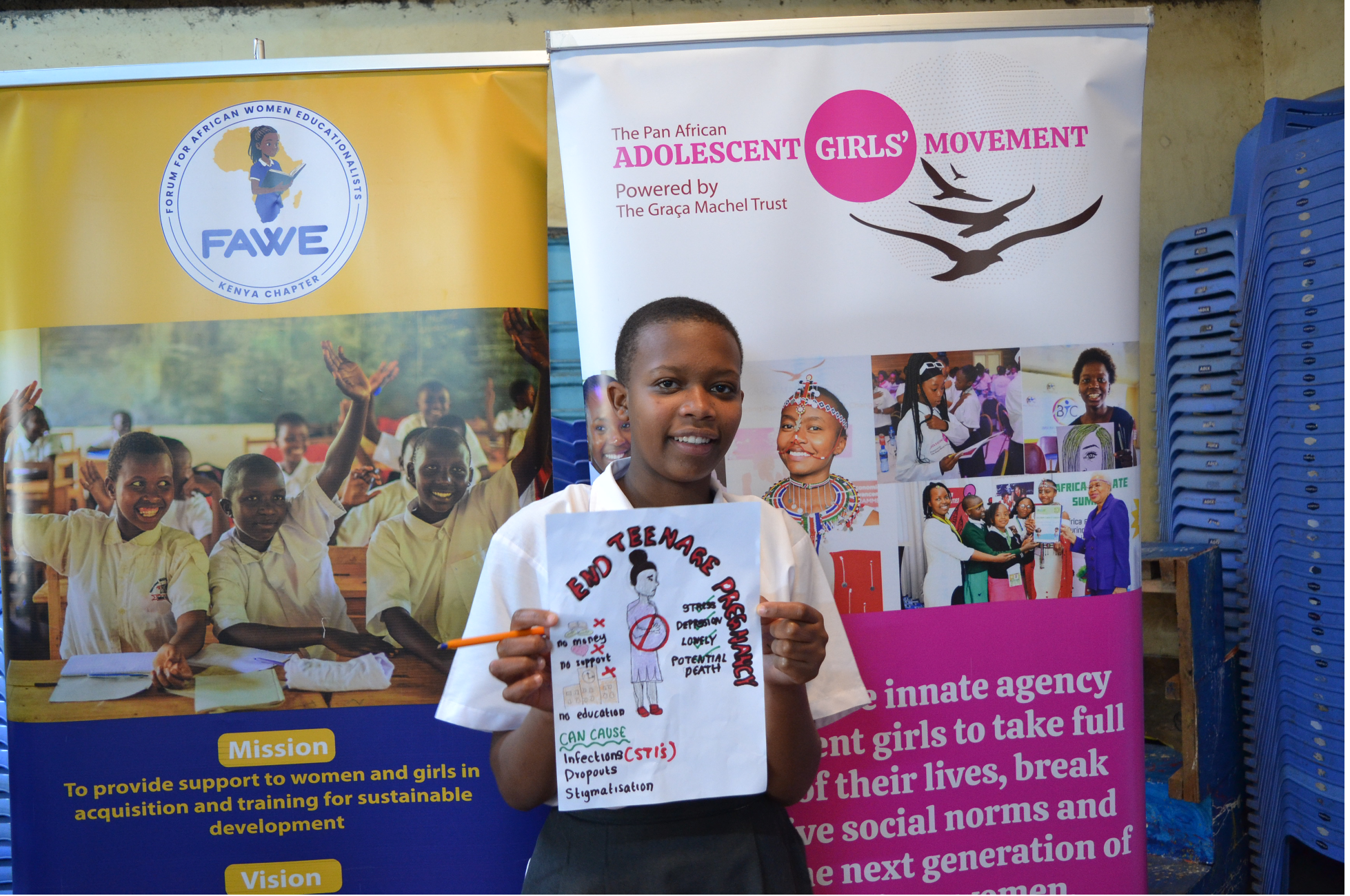
Girls led the conversations and activities, with adults and allies listening. Education and family support came up repeatedly. Girls described financial pressure, unequal opportunities and social expectations as barriers that adults and institutions needed to address.
Catherine Mseteka, Coordinator of the Pan-African Adolescent Girls’ Movement at the Trust, explained why girls’ perspectives should shape the response:
“A day dedicated to girls’ rights should be shaped by girls themselves. We chose a girl-led conversation because girls understand the pressures they face and have ideas about what needs to change. Ending child marriage means protecting their freedom to learn, grow and make decisions about their lives. Through the Movement, we want their voices to help shape the support and investment intended for them. Our responsibility as adults is to listen, and act with girls, not decide for them.”
In the ‘If You Invested in Me’ exercise, participants imagined how they would spend $1,000 to support other girls. Their proposals ranged from school supplies and menstrual products to opportunities to learn and earn.
Dafroza from Tanzania wanted a place where girls could learn from one another.
“I’ll create a space where girls can discuss, be mentored and receive knowledge and information.”
Dafroza, Tanzania
Another participant proposed mentors who could explain the importance of education, alongside counsellors girls could speak to openly.
A different participant wanted “skills that pay now”. Her ideas included basic coding and workshops on preparing a CV, applying to university and attending interviews. These were specific opportunities she wanted girls to have.
Noeline from Uganda focused on opportunities for girls whose education and choices had already been affected by child marriage.
“I would create a programme where the girls who have been affected by early marriage can be taught skills like tailoring.”
Noeline, Uganda
Girls proposed sewing training for teenage mothers, alongside food, clothing and shelter for girls experiencing homelessness. The $1,000 budget was hypothetical, but their proposals identified practical support for girls to continue learning and build livelihoods.
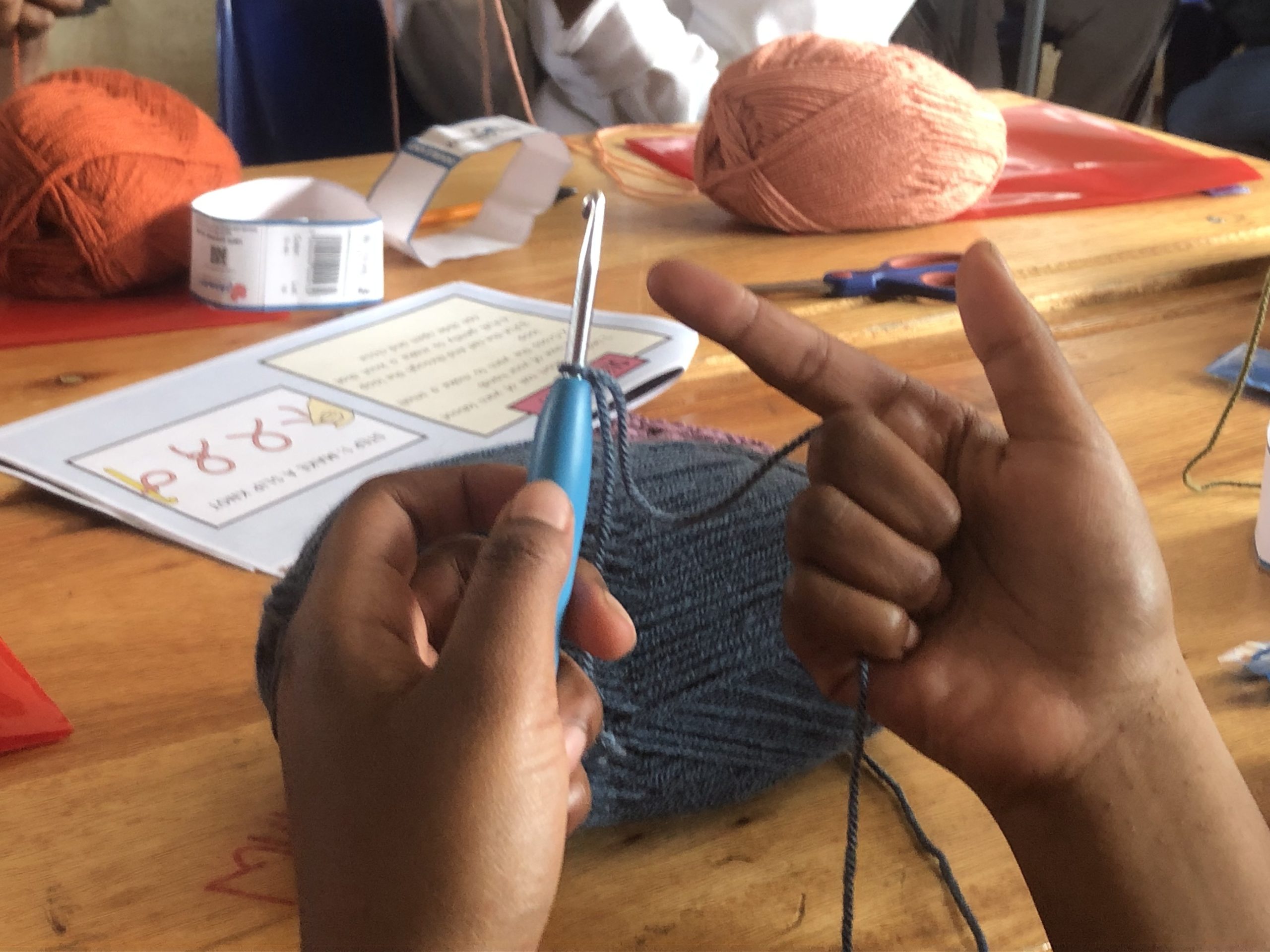
At the Trust, we support these conversations because girls’ priorities belong in the decisions that shape their lives. Through our Pan-African Adolescent Girls’ Movement, we combine peer learning and mentorship with opportunities for girls to influence decisions in their communities and at national, regional and global levels. Our work strengthens girls’ leadership, challenges harmful social norms and advocates for greater investment in their rights.
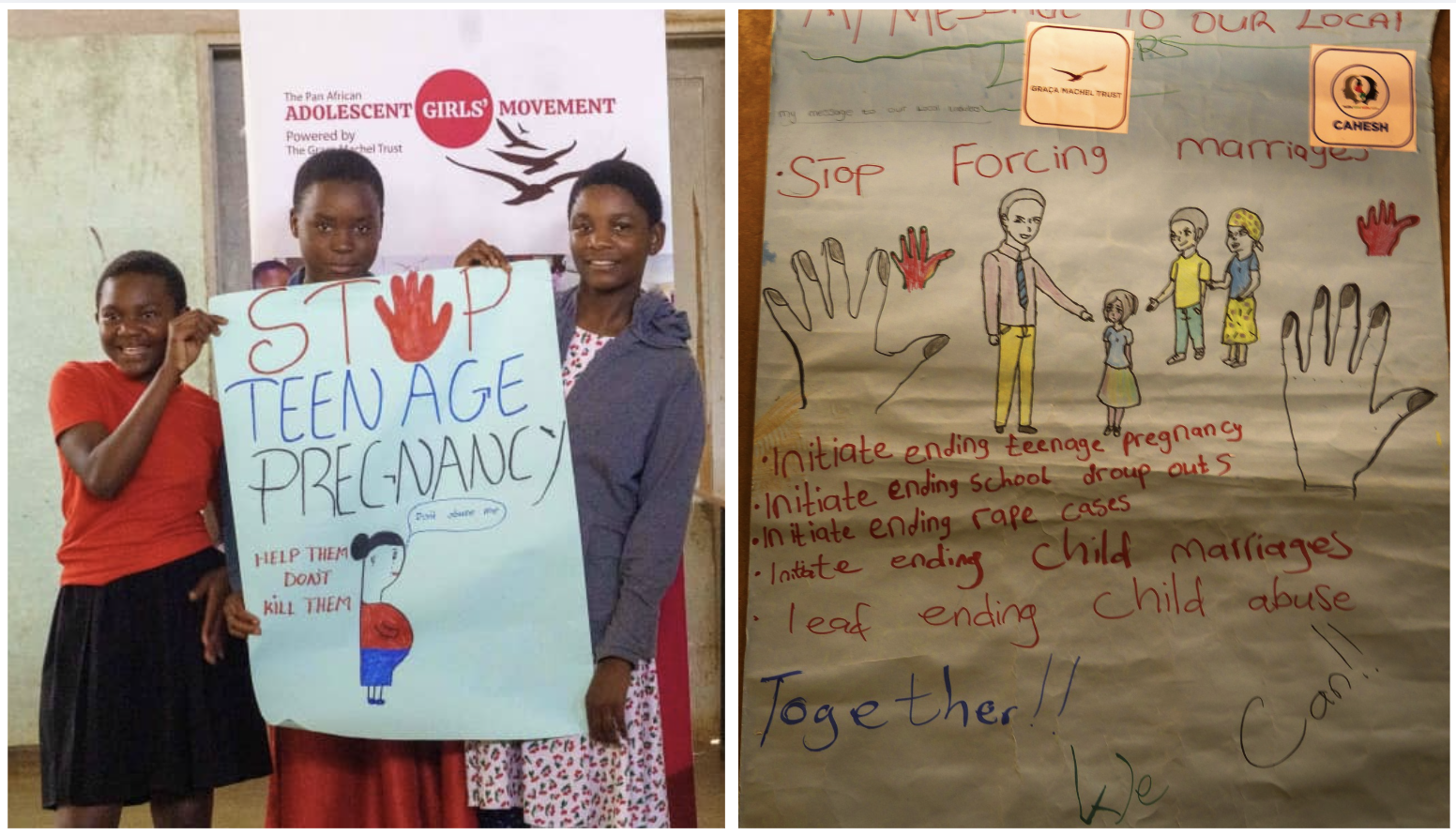
This webinar forms part of that wider purpose. By sharing ideas and identifying common concerns, girls defined priorities that schools, education authorities, community leaders and funding partners can act on.
In the ‘Dear Future Me’ activity, one participant wrote to the surgeon she hoped to become: “People say it’s hard. I know it’s hard. But I want this.”
Authors:
Author
