
Reading time: 4 minutes
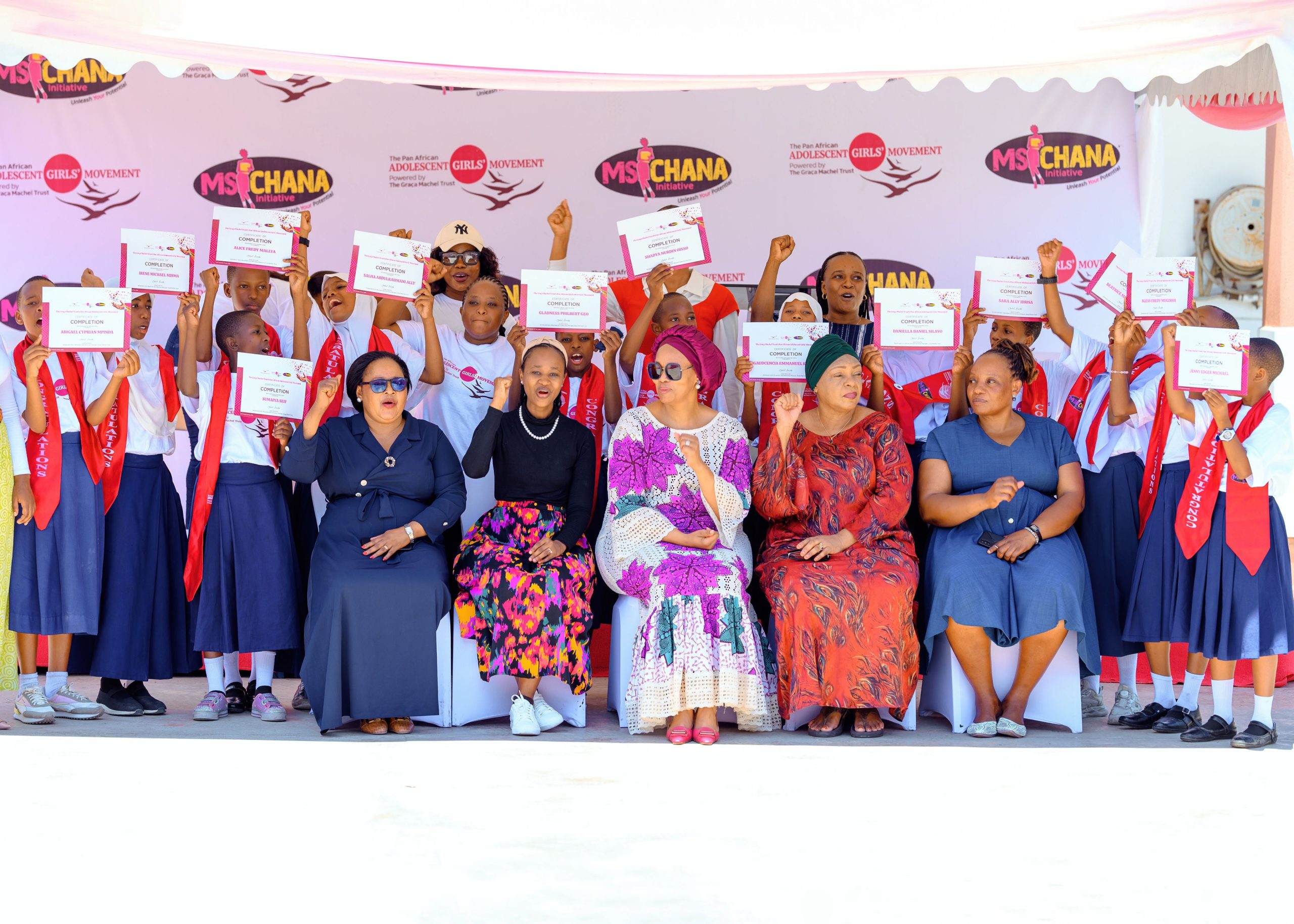
More than 100 girls received certificates at Tanzania’s Jubilee, celebrating learning they are already using to express their ideas, support one another and contribute to school life.
Hawa, 12, put her leadership lessons to work in a place she knew well: her school. With other members of her girls’ club, she took part in activities to keep their surroundings clean and encouraged fellow students to care for their shared learning environment.
At Tanzania’s National Jubilee and Certification Ceremony, Hawa shared her experience and encouraged girls who felt shy about leading to recognise their own abilities. She and her peers had found a practical way to contribute to school life.
For 13-year-old Miriam, the change was in how she understood herself and expressed her ideas. She described becoming clearer about her dreams, more confident speaking, and better able to work through challenges. Through the Eagles Takeover Programme, she was beginning to recognise her own potential as a leader.
Their experiences show why the Graça Machel Trust’s Pan-African Adolescent Girls’ Movement connects learning about rights and leadership with opportunities to practise. Girls need space to explore their ambitions, make decisions and act on issues that matter to them. For Hawa and Miriam, that learning is becoming part of everyday life.
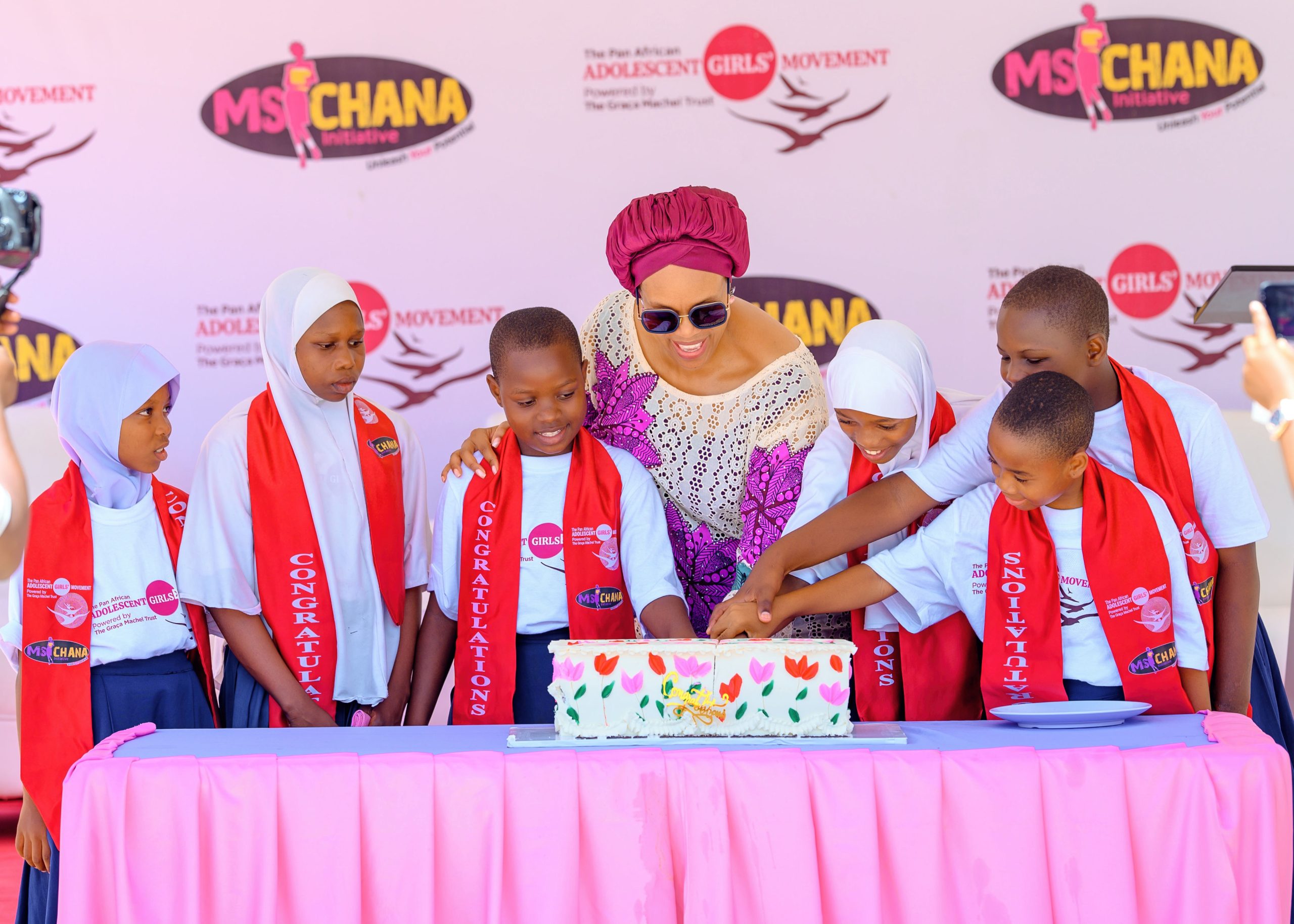
In November 2026, more than 100 girls received certificates at Shule ya Msingi Mlimani Demonstration, Ubungo Manispaa (Mlimani Demonstration Primary School, Ubungo Municipality), in Dar es Salaam. A discussion led by girls brought their experiences into the celebration, giving teachers, mentors and women leaders a chance to hear what the learning meant to them.
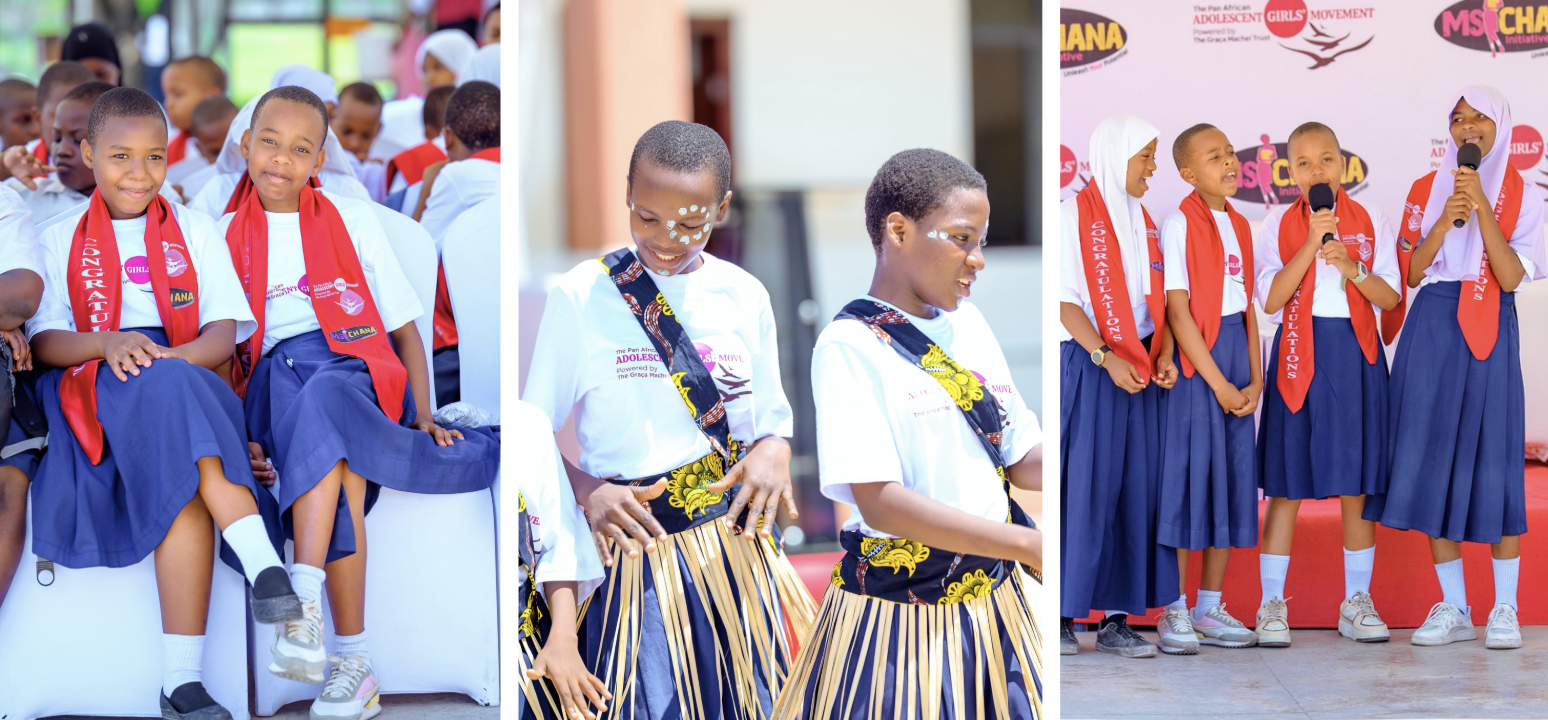
Learning together and finding a way to speak
In Tanzania, the Trust works with Msichana Initiative to support girls through its established Msichana Amani Clubs. About 500 girls have participated in the learning across 10 schools in Dar es Salaam, supported by 14 people trained to guide and mentor them.
The Trust provides strategic support and connects the work in Tanzania with the wider Movement across Africa. Msichana Initiative works with schools and communities to help girls understand their rights and put their learning into practice, with guidance from teachers and mentors who know their everyday circumstances.
Anneth Kisaka, a young woman and former member of Msichana Initiative’s Girls Advisory Board, described how that support sometimes required a different approach.
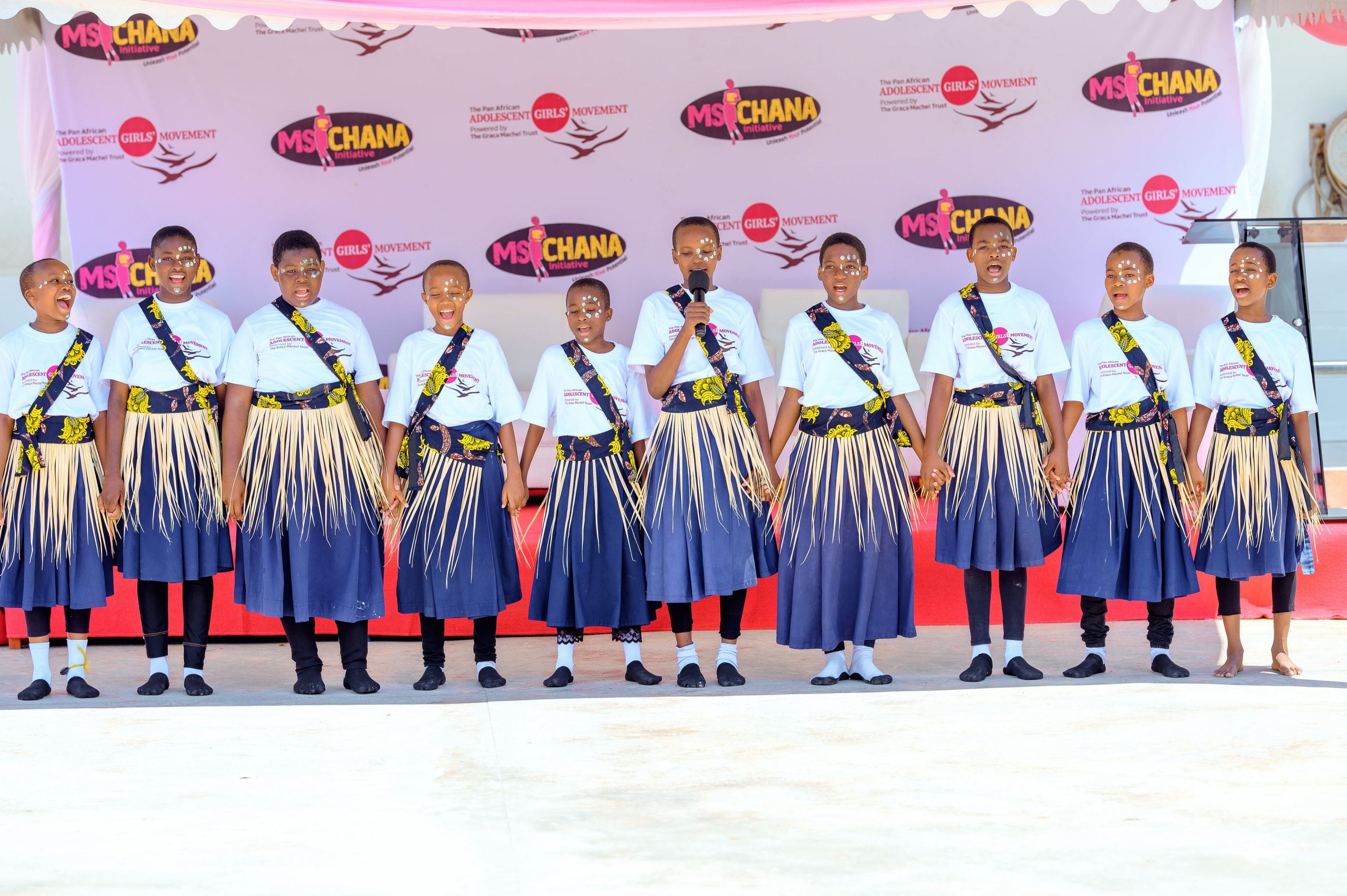
While guiding girls through the first three modules, she noticed that some needed another way to raise concerns. She invited them to write down the challenges they wanted help with. Their written reflections opened opportunities for discussion and guidance.
Those sessions covered three modules: Self Discovery, Goal Setting & Education; Building Self-Confidence and Resilience; and Leadership and Entrepreneurship Advancement. The subjects connect closely with the changes Miriam described: understanding her ambitions, expressing herself and recognising her capacity to lead.
Anneth’s approach gave girls a choice about how to participate. They could begin with words on paper before speaking in a group. Her experience points to an important part of building confidence: creating ways for girls to take part at their own pace.
Msichana Initiative also works with communities and advocates for girls’ rights, connecting the learning within clubs to the conditions that shape girls’ education and choices.
Turning confidence into influence
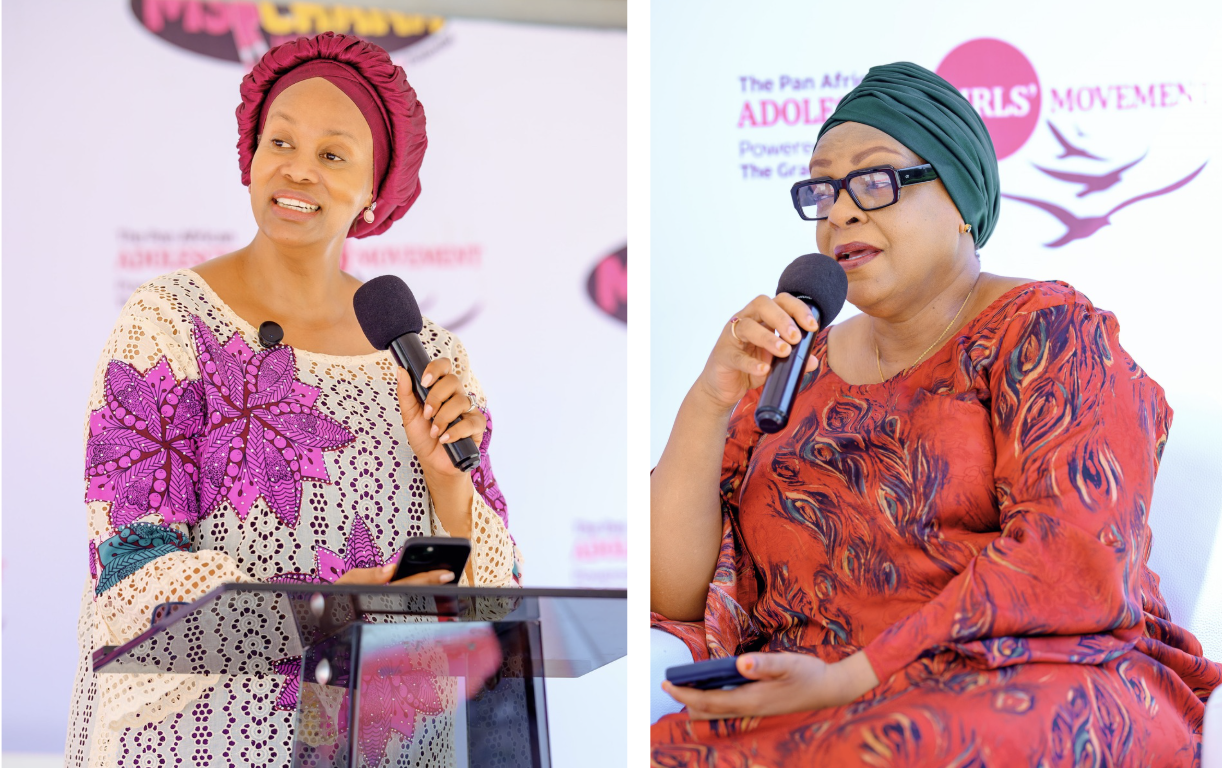
Taking the next step together: GMT CEO Shiphra Chisha and NFNV Country Director Emma Kawawa supported girls to turn their learning into leadership in their schools and communities.
Girls select their own representatives to the Movement’s Steering Committee. Nasra, 16, is one of those leaders. At the Jubilee, Graça Machel Trust CEO Shiphra Chisha shared Nasra’s reflection on the conditions girls need to lead.
Nasra imagined an Africa with “girls having safe spaces to speak” and “girls who can lead and promote changes in their communities”.
Her words extended the conversation beyond individual confidence. Girls also need opportunities to influence decisions, reliable support and institutions that take their rights seriously.
Shiphra made the responsibility of adults and institutions clear:
“We recognise that supporting adolescent girls requires more than running programmes. It requires communities that listen, families that encourage, institutions that protect and leaders who are willing to challenge the systems and practices that hold girls back.”
Shiphra Chisha, Chief Executive Officer, Graça Machel Trust
For schools and organisations working with girls, Hawa’s and Miriam’s experiences offer a practical starting point: understand what girls want to try, identify the support they need and create opportunities for them to take responsibility. That work continues after the certificates have been awarded.
Emma Kawawa, Tanzania Country Director of New Faces New Voices and Founder and CEO of the Tanzania Women CEOs Roundtable, brought a practical perspective on leadership. Through New Faces New Voices, part of the Trust’s networks, her participation connected girls with women’s leadership experience.
In her written statement to the girls, she encouraged them to begin with something within their reach:
“Start by identifying a problem around you and thinking about how you can solve it.”
Emma Kawawa, Country Director, New Faces New Voices, Tanzania
Her examples included helping another girl with her studies or organising a school activity. Hawa and her club members were already finding opportunities to contribute together.
Follow the Trust’s Jubilee stories as girls across Africa share what they are learning and putting into practice.
Hawa’s encouragement to other girls carries an expectation for the adults around them: when a girl steps forward with an idea, someone needs to be ready to listen and help her take it further.
Authors: Sarah Mpata, Graça Machel Trust & Sara Bedah Akwisombe, Msichana Initiative
Authors:
Author
