
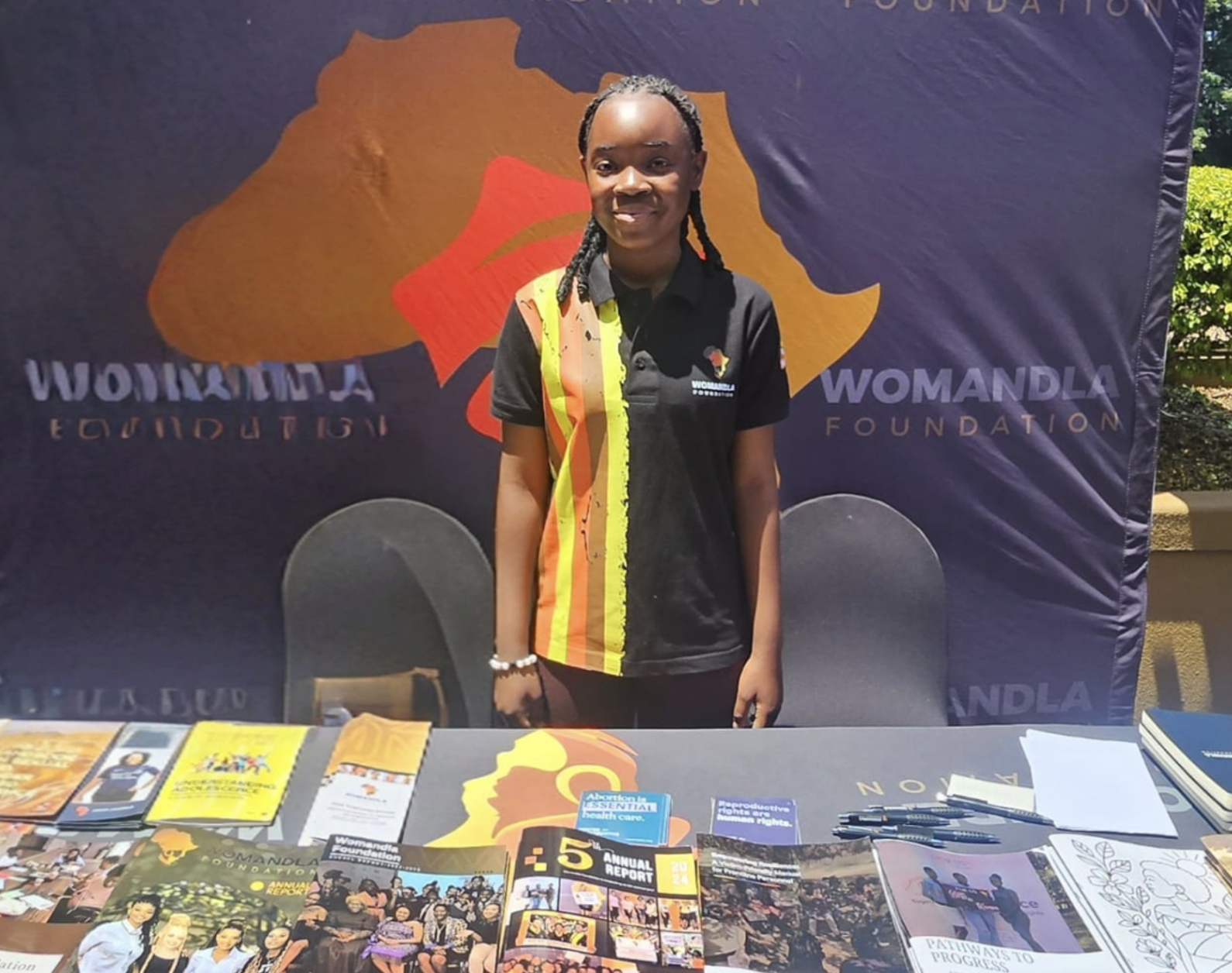
“I joined the Pan-African Adolescent Girls’ Movement in 2024 when the Womandla Foundation team visited our school “In that moment, I made a decision I have not regretted, and it continues to shape my voice, my confidence and my future.”
At 14 years of age, Tapiwa Magureyi joined the Graça Machel Trust’s Pan-African Adolescent Girls’ Movement at Errymaple High School in Zvishavane, a mining town in Zimbabwe’s Midlands Province. The community is surrounded by platinum, chrome and gold operations, with formal and informal economies side by side. Many families live with economic instability linked to fluctuating mining activity and informal livelihoods. For girls, that pressure can show up early as caregiving responsibilities, school fee worries, and a heightened vulnerability to negative peer influence and risky relationships.
When a teacher patron encouraged her and other girls to join the Movement, one message stayed with Tapiwa from the very first session: “Girls are not leaders of tomorrow; they are leaders now.”
In the weekly safe-space circles, Tapiwa found language for things she had carried quietly. She learned about bodily autonomy and self-worth and began to see confidence as something she could practise. “I learned that my body and my future belong to me. No situation or person should decide for me,” she said. “I realised that being quiet does not protect me. Speaking up protects me.” She also describes the broader shift in how she sees herself: “Being part of the Movement has helped me build my confidence and helped me believe in my abilities.”
Over time, the change became visible. Tapiwa began speaking more in class, setting clearer academic goals, and choosing friendships that supported her focus rather than pulling her off track. The same girl who once held back began leading conversations with others.
During a school-hosted community dialogue, Tapiwa’s peers chose her to speak on behalf of the group. She remembers feeling very nervous, but she pushed through and spoke openly about the pressures girls face in mining communities and why knowing your rights matters. A few months later, she delivered her first presentation at the Africa Children’s Summit in April 2025. “Standing among professionals and young leaders from across the continent was both overwhelming and inspiring,” she said. “Despite the nerves, I felt seen and heard, a reminder that my voice matters and that young people can contribute to real change.”
The room applauded, and soon younger girls began seeking her advice, while the school invited her to join a student leadership committee. She said: “Thank you, Graça Machel Trust, for this platform and for believing in me.”
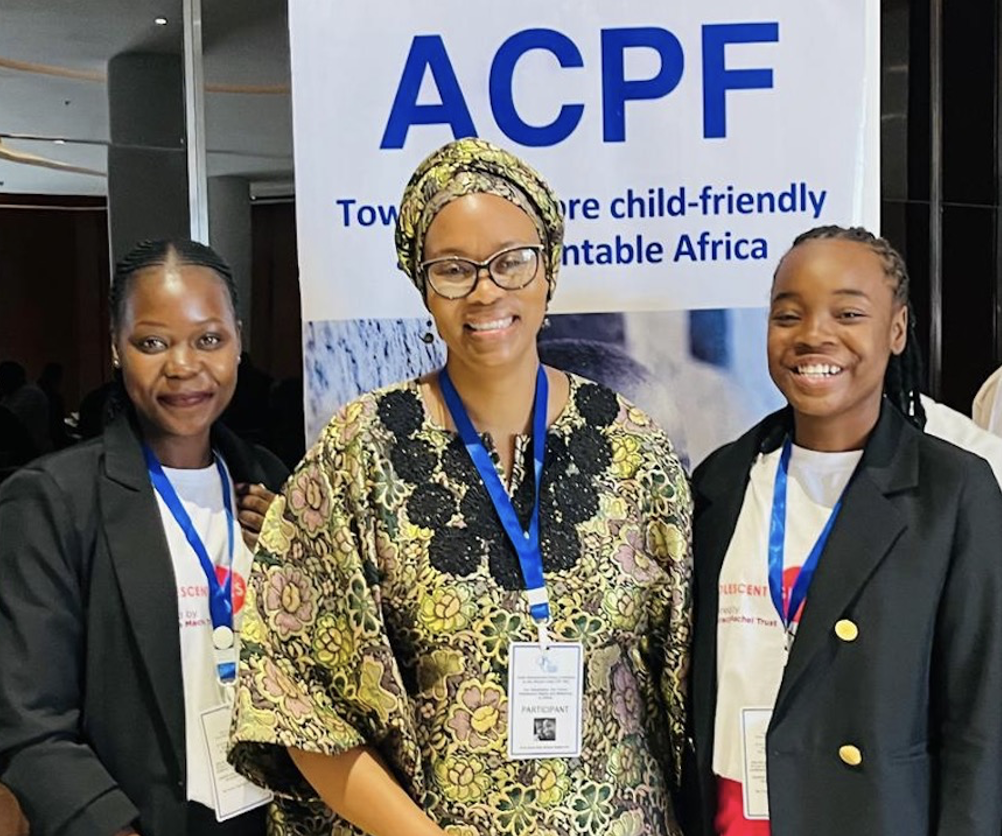
Tapiwa Magureyi (far end) with the Graça Machel Trust team, Shiphra Chisha, Director of Programmes (centre), and Molleen Manhede, Project Manager, Womandla Foundation Trust, as she represented the Trust at the African Child Policy Forum’s 10th International Policy Conference on the African Child (ACPF) in Ethiopia.
The Movement also opened doors beyond her school. “Through the Pan-African Adolescent Girls’ Movement, I’ve accessed opportunities that have shaped my leadership journey and amplified my voice,” Tapiwa said. “I now engage on national and international platforms and proudly serve on the Adolescent Advisory Committee, contributing to decisions that impact girls like me.” Womandla Foundation supported her participation in regional advocacy spaces, including the Africa Children’s Summit 2025 in Johannesburg, where she spoke on violence against children. She was later selected as an ambassador for HundrED, a mission-driven global non-profit based in Finland that amplifies impactful, scalable education innovations.
Tapiwa’s story is part of a wider effort in Zvishavane. Between March and September 2025, Womandla Foundation reached 873 adolescent girls through safe learning spaces, outreach and leadership opportunities. 18 young mentors were trained to support the girls and introduced a simple online learning option. Eighty-five girls signed up, and 50 completed the lessons, despite data and internet challenges they continue to face in their community.
In communities where economic pressure can pull girls out of school early, progress often begins quietly. A girl raises her hand. She asks a question. She chooses school again. She speaks when she would once have stayed silent. Tapiwa did all three, and in doing so, she showed what it can look like when girls are supported to learn, lead and speak for themselves.
Authors:
About The Author
