
With over 600 girls completing the Movement’s training in Kenya, Jennifer, Eunice and Grace share how it has helped them become leaders at school and in their communities.
A girl’s future is shaped by decisions about her education, health and place in her community. She has a right to help make those decisions.
That conviction drives the Graça Machel Trust’s Pan-African Adolescent Girls’ Movement. Juliet Kimotho, Manager of the Pan-African Adolescent Girls’ Movement, describes girls as “equal contributors and leaders of Africa’s transformation”. That ambition begins with how girls understand themselves and what they believe they can do. “When the girls join the Movement, the first thing we strive to build in them is self-confidence and self-awareness,” she explains.
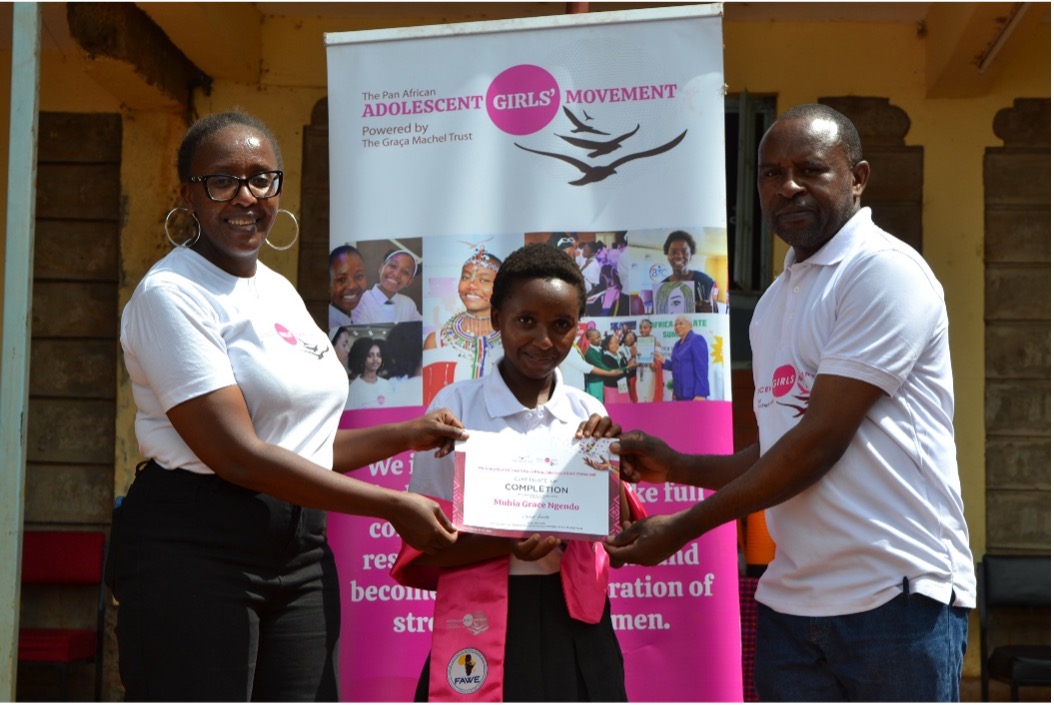
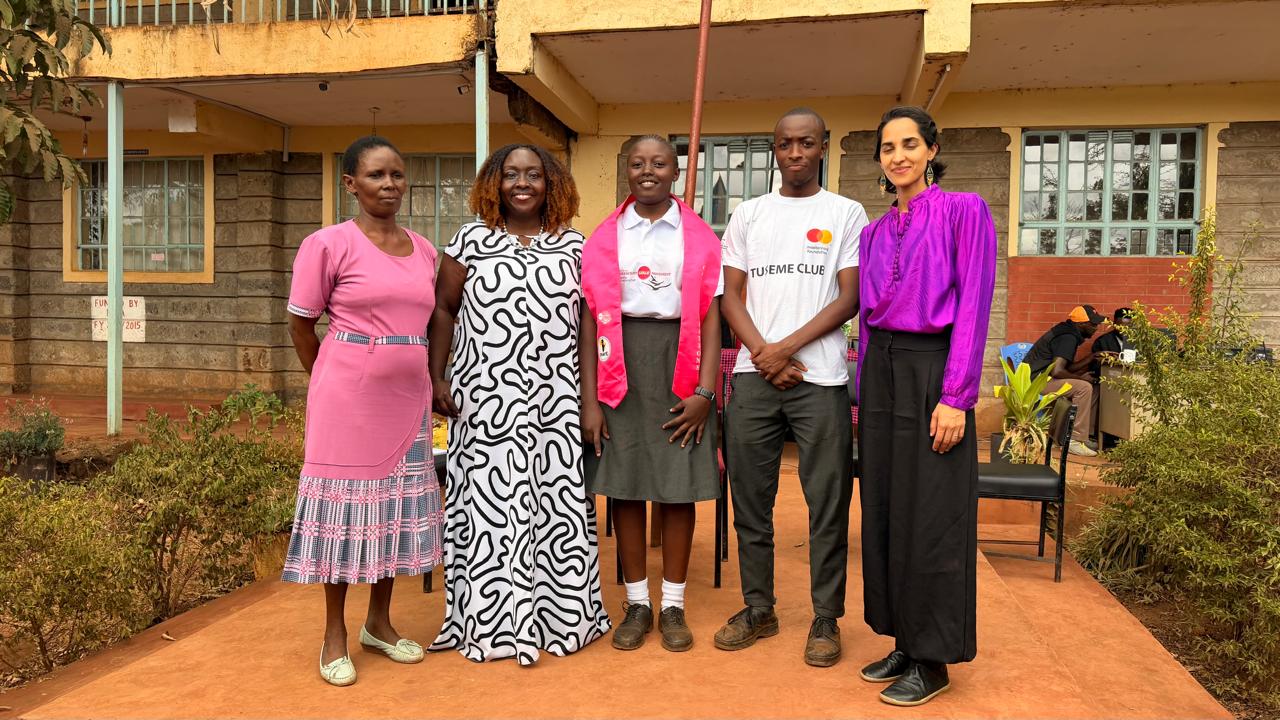
Juliet Kimotho, Manager of the Pan-African Adolescent Girls’ Movement, with Grace Ng’endo and Mr David Mwaura, Patron & teacher at Theta Secondary School (Theta Nest).
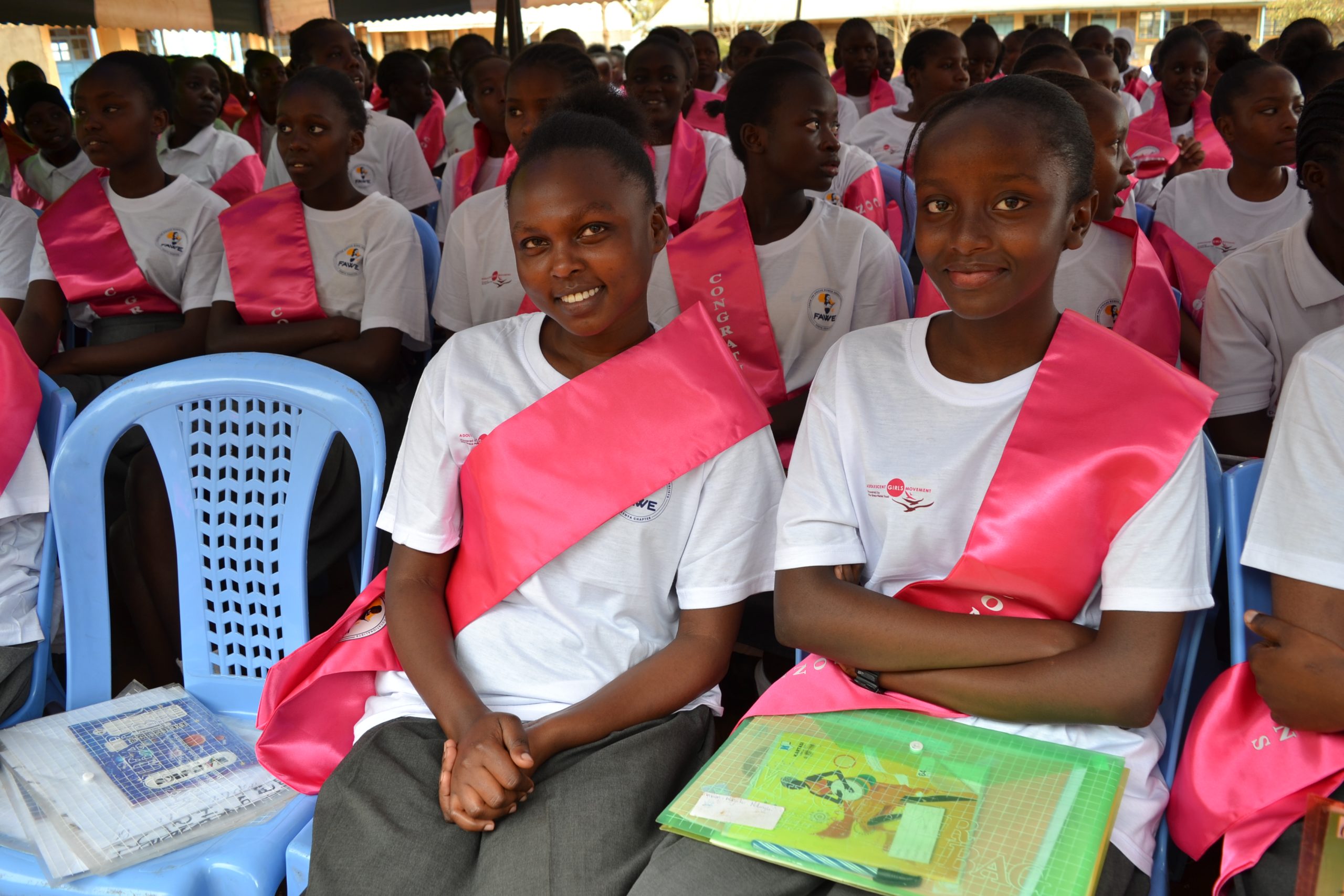
Kenya became the first country to graduate girls who completed the Movement’s leadership and life-skills training, implemented with a partner, the Forum for African Women Educationalists (FAWE), in Kiambu, Marakwet and Narok counties. These local groups connect girls with peers and mentors as they put their learning into practice. The National Jubilee and Certification Ceremony, held on 10 October 2026 at Theta Secondary School in Kiambu County, recognised this achievement. In total, 609 girls graduated, with over 200 attending the ceremony in person, while others received their certificates at their respective schools in different counties.
Continuing the Movement’s philosophy of ‘for girls, by girls,’ 18-year-old Jennifer served as master of ceremonies, while 18-year-old Eunice moderated a leadership discussion. Both took responsibility for guiding conversations at the event celebrating their learning.
For Jennifer, who had been learning to trust that her ideas were worth sharing, hosting the ceremony carried particular meaning. “I felt like I had been given a chance to prove myself to all those who had supported me.” She first encountered the Movement through her school’s Tuseme Club. She remembers singing, dancing, and games between discussions. Facilitators helped the girls feel comfortable asking questions and saying when something concerned them.
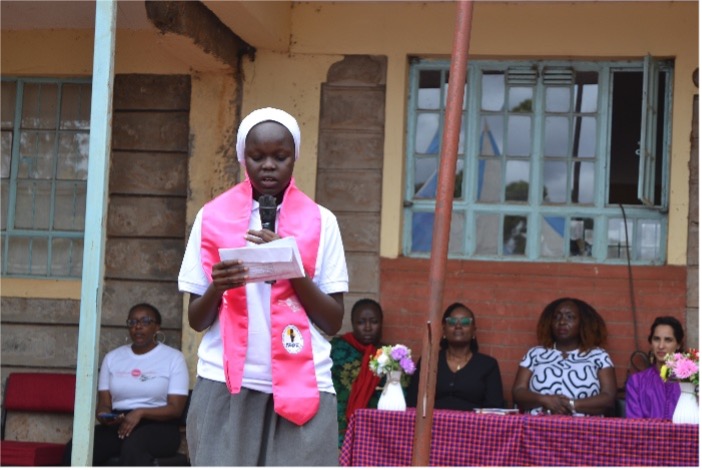
Jennifer Williams
She listened to girls of different ages and backgrounds, speaking in person and online. Their accents and ways of expressing themselves differed. Hearing them encouraged her to contribute too.
“And slowly, I began to share what I thought. People listened to what I had to say and took me seriously.”
Jennifer began speaking up when something made her uncomfortable. She stood for the position of laboratory assistant captain at school and won. She took part in the Nalafem 2026 debate and began leading discussions inside and outside school.
For Eunice, moderating the leadership discussion meant learning how to guide an exchange with adults.
“I had the opportunity to ask the panellists questions and also experienced what it is like to take turns during the conversation,” she wrote in her reflection.
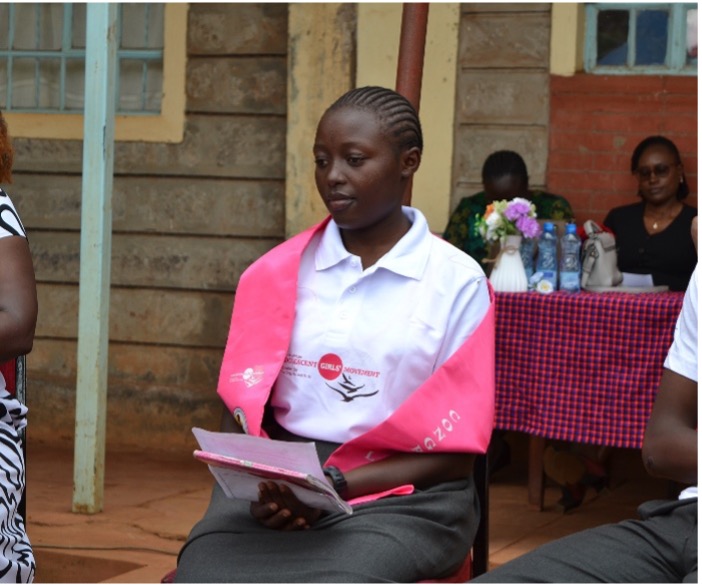
Eunice Njeri
She paid attention to the work of moderating: making room for other people to speak and keeping the discussion on time. She had been practising speaking with adults in other settings too, like at a summit, where she once shared her views with people working in politics and business: “I got a chance to share my own opinions that women can back women freely, with all of them listening to me.”
At a separate bursary event, her school selected her to speak on its behalf. She encouraged attendees to continue applying for support. Public speaking has become a skill she uses to discuss access to education and represent others.
For 19-year-old Grace, the learning was more personal. During the module on Leadership and Entrepreneurship Advancement, a facilitator encouraged the girls to look into a mirror and practice affirmations.
“This is where I learnt how to raise my self-esteem and love myself more,” she recalled. “I stand brave, courageous and am a girl who loves herself physically and mentally.”
Elvis Okoth, Programme Officer at the Forum for African Women Educationalists Kenya Chapter (FAWE Kenya), helped deliver the curriculum through local learning groups known as nests. He points to trained facilitators, themselves former nest members, creating space for girls to speak freely.
School celebrations, panels and summits then gave girls opportunities to practise with real audiences. For Elvis, continued opportunities matter:
“Ultimately, the confidence these Eagle Sisters have built belongs to them, and it will continue to grow wherever they are given space, encouragement and opportunity to put it into practice.”
The Jubilee also connected girls with women in the Trust’s wider networks. Wangeci Gitata, Vice Board Chair of the New Faces New Voices Kenya Chapter, delivered a talk titled “The Leader Within”.
Jennifer remembered it as one of her favourite parts of the day: “She encouraged us to take control of our future.”
Andia Chakava, Managing Partner of Afrishela, participated in the Eagles Leadership podcast. Reflecting on the celebration, she highlighted both the confidence girls had gained and the relationships supporting their growth.
“The girls shared how the programme had changed their lives, filling them with confidence and creating a community where they can share experiences and uplift one another.”
— Andia Chakava, Managing Partner, Afrishela, in her written reflection
Ms Chakava linked girls’ learning and leadership to Africa’s economic future. She sees the Movement as helping girls build confidence, make their own decisions, and use their abilities to support others.
Elizabeth Murage, Area Chief; Andia Chakava, Managing Partner and Investment Director, Afrishela; Ambassa Everline, Eagle Sister, Theta Secondary School; Eunice Njeri; Jeremy Ng’ang’a, Former Secretary General, Theta Secondary School and Re’em Syeda, Director Programmes and Advocacy, Nala Feminist Collective.
Jennifer also recalled Re’em Syeda of the Nala Feminist Collective encouraging girls to stand together and support one another. These contributions brought women’s experience into conversations that girls themselves were helping to lead.
Keeping that support available after certification matters to the schools involved. David Mwaura, Patron of the at Theta Secondary School nest, describes gains in communication, decision-making and peer mentorship across six training modules. He also calls for continued contact: “We appeal to GMT and FAWE Kenya to explore ways of maintaining contact and supporting girls even after they graduate from the programme.”
For Juliet, graduates have a continuing role in the Movement: “The girls are not leaving the Movement after graduation. They are becoming the leadership mentors as well as eagle sisters, offering support to new girls who join the Movement.”
Schools and partners, she explains, help girls stay connected and find further opportunities to learn. Women in the Trust’s networks offer mentorship, while graduates share their experience with newer members.
The Movement’s 2026 Jubilee celebrations span 10 African countries, with further graduations planned after Kenya. Each gathering brings girls and stakeholders together to exchange experiences, learn from one another and celebrate those completing the programme.
Follow the Graça Machel Trust’s Jubilee stories to meet more girls putting their learning into practice across Africa.
Jennifer’s commitment reaches beyond the ceremony: “I will use all the skills and lessons I have been taught throughout the rest of my life.”
Authors:
Author
