
2 min 44 sec read
On 5 November 2026, the Graça Machel Trust team and members of our networks had the privilege of being hosted by Ms Sauda Kassim Msemo, Deputy Governor of the Bank of Tanzania, at the Bank’s offices in Dar es Salaam.
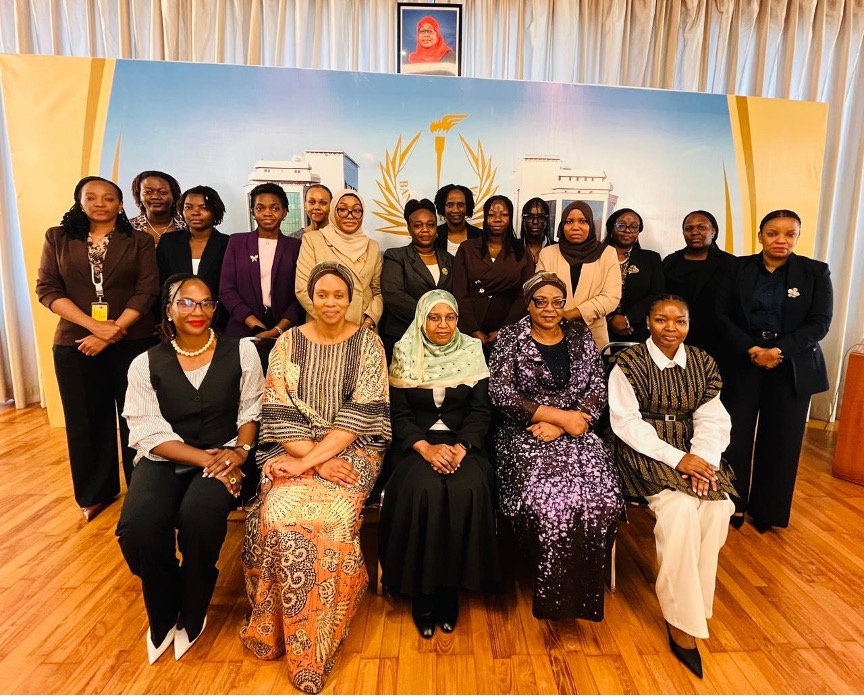
On 5 November 2026, the Graça Machel Trust team and members of our networks had the privilege of being hosted by Ms Sauda Kassim Msemo, Deputy Governor of the Bank of Tanzania, at the Bank’s offices in Dar es Salaam.
Our delegation included our CEO, Shiphra Chisha; newly appointed Board member Rebeca Gyumi; Emma Kawawa, Country Director of New Faces New Voices; and Vida Nasari, Country Director of the Network of African Businesswomen. We were also joined by senior women leaders from the Bank’s Financial Inclusion, Communications and Consumer Protection functions.
The discussion also centred around the menstrual hygiene landscape in Tanzania and the need to remove taxes imposed on sanitary pads to improve access for adolescent girls. Our recommendation to Deputy Governor Msemo and the sectoral Ministries of Finance and Health was for sanitary pads to be classified as essential medicine, which would zero-rate all the taxes imposed on the product.
The Deputy Governor shared her commitment on the issue and welcomed our recommendation on addressing sanitary pad taxation in Tanzania.
The engagement also offered valuable insight into the Bank’s deliberate efforts to advance women’s leadership and financial inclusion in Tanzania, including:
- Increasing women’s representation in financial sector leadership, which has now reached 30.6%.
- Strengthening the regulatory environment for using movable property as collateral, and expanding credit guarantee mechanisms to improve access to finance.
- Investing in financial literacy through Certified Financial Educators, reaching learners from primary school to higher education.
- Running mentorship initiatives that shift mindsets, develop women leaders and encourage more women-centred financial products and services.
We also shared the achievements of our Women Creating Wealth programme in Tanzania, where 1,000 women have completed the programme, created over 10,000 jobs and accessed approximately US$2.6 million in capital to grow their businesses. We encouraged the Bank and our partners to treat this as a foundation for continued investment in, and acceleration of, these enterprises.
What stood out was the intentionality behind the Bank’s interventions. Transforming women’s economic participation requires more than access to finance; it requires deliberate institutional leadership, responsive policies and financial systems that recognise and respond to women’s realities.
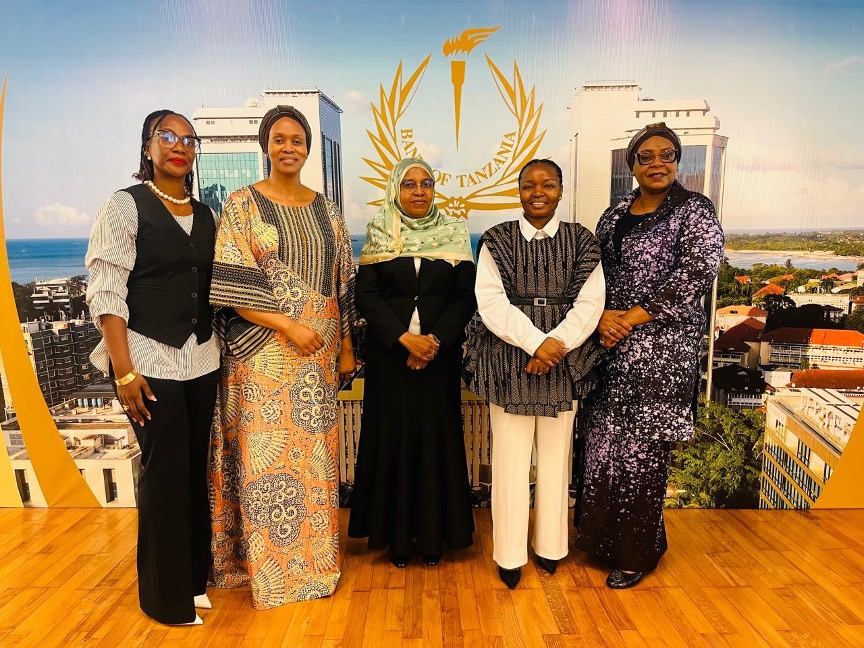
We look forward in particular to the forthcoming sex-disaggregated data study, which will provide important evidence to inform policy, address persistent gaps and strengthen women’s participation in the financial sector.
Taken together, the two conversations point to the same lesson: women’s and girls’ economic participation depends not only on the financial systems they engage with, but also on removing the everyday barriers that limit their opportunities. Access to credit, collateral reform and financial literacy matter, and so does affordable access to menstrual hygiene products for adolescent girls.
At the Graça Machel Trust, we believe that when women and girls are represented in decision-making and have equitable access to finance and economic opportunities, entire economies benefit. The results of our Women Creating Wealth programme show what is possible when women are given the right support, and the forthcoming sex-disaggregated data study and the proposed reclassification of sanitary pads as essential medicine offer clear opportunities for evidence and policy to work together.
We extend our sincere appreciation to Deputy Governor Msemo for her leadership, vision and commitment to driving transformation in Tanzania’s financial services sector, and for her openness on sanitary pad taxation. We look forward to strengthening our collaboration with the Bank of Tanzania, the sectoral ministries and our partners as we advance this shared agenda.
Authors:
Author
