
When demand for chicks began exceeding her supply, Grace Wambui Githinji faced a challenge familiar to many entrepreneurs: her business was growing faster than her systems. Operating from Kirinyaga County, Kenya, Grace had built Cogra Enterprise from humble beginnings. What started with just 18 chicks and a single incubator gradually grew into a thriving hatchery serving customers across multiple counties. But growth brought new pressures. Sales were recorded manually, production was monitored by hand, and most decisions depended on Grace personally overseeing every aspect
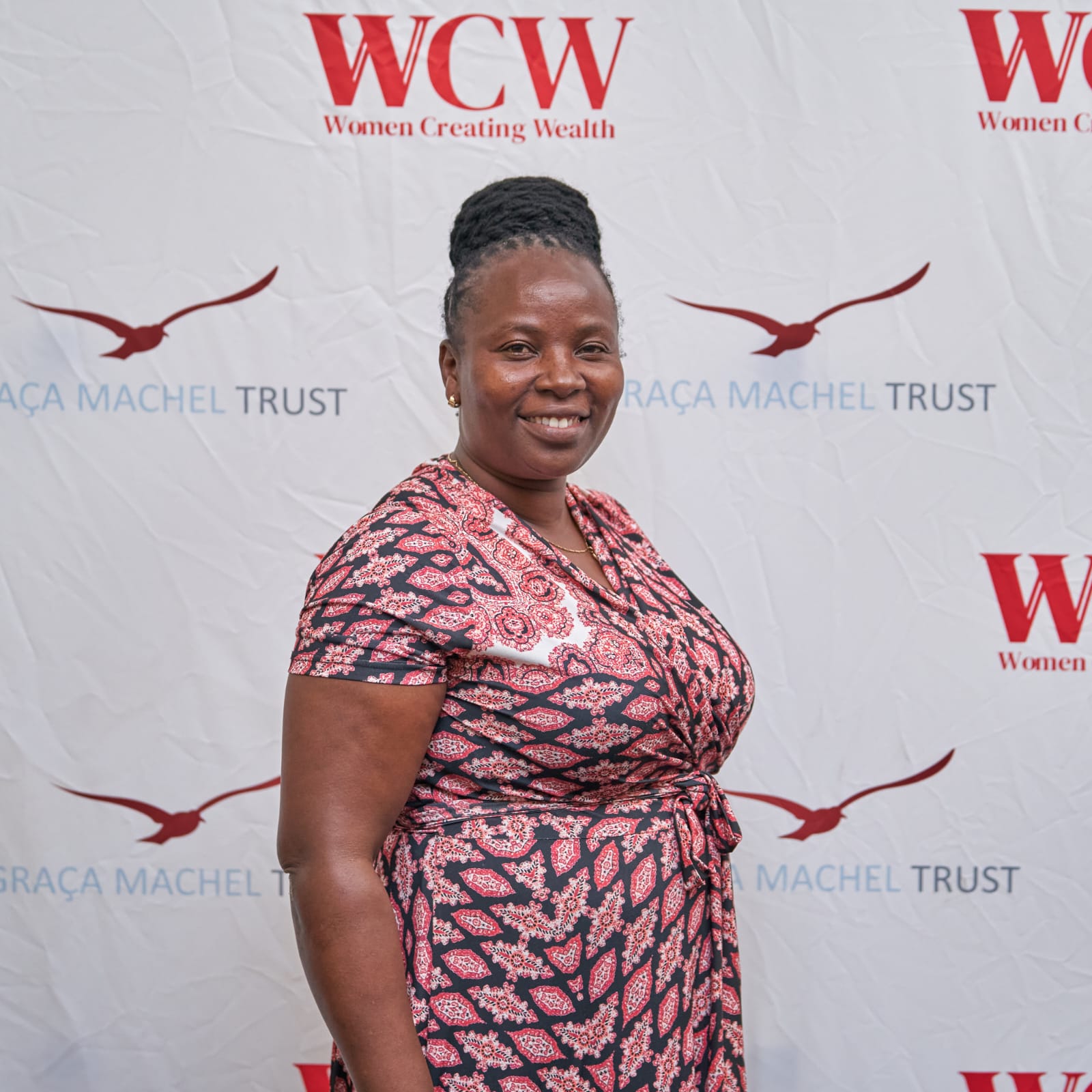
Grace Wambui Githinji
of the business. Like many small business owners, she had built a business that worked because she worked relentlessly. Grace’s entrepreneurial journey did not begin with poultry. “I started out selling clothes. However, I have a child living with a physical disability, so I needed a business that would allow me to be at home and take care of him. I started selling chickens, which later led me to hatching chicks. I started with 18 chicks and in no time had 110, using only one incubator. Today, I have four incubators.” As demand increased, Grace realised that working harder alone would not be enough. The business needed systems that could support growth. That shift in thinking became one of the most important lessons she gained through the Women Creating Wealth (WCW) Programme. Through modules on financial management, business systems, leadership, and growth strategy, Grace began transforming Cogra Enterprise from a manual operation into a structured enterprise.
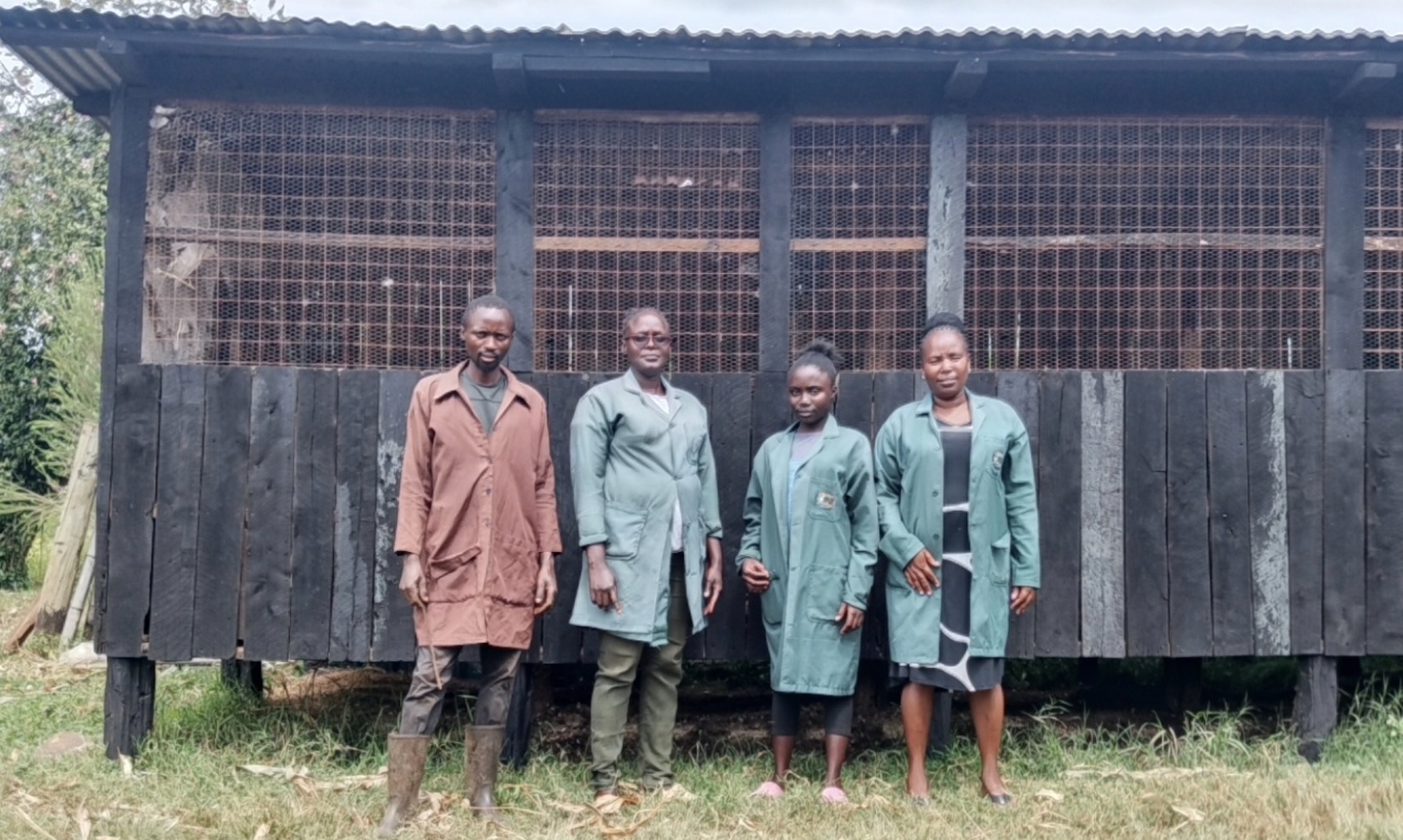
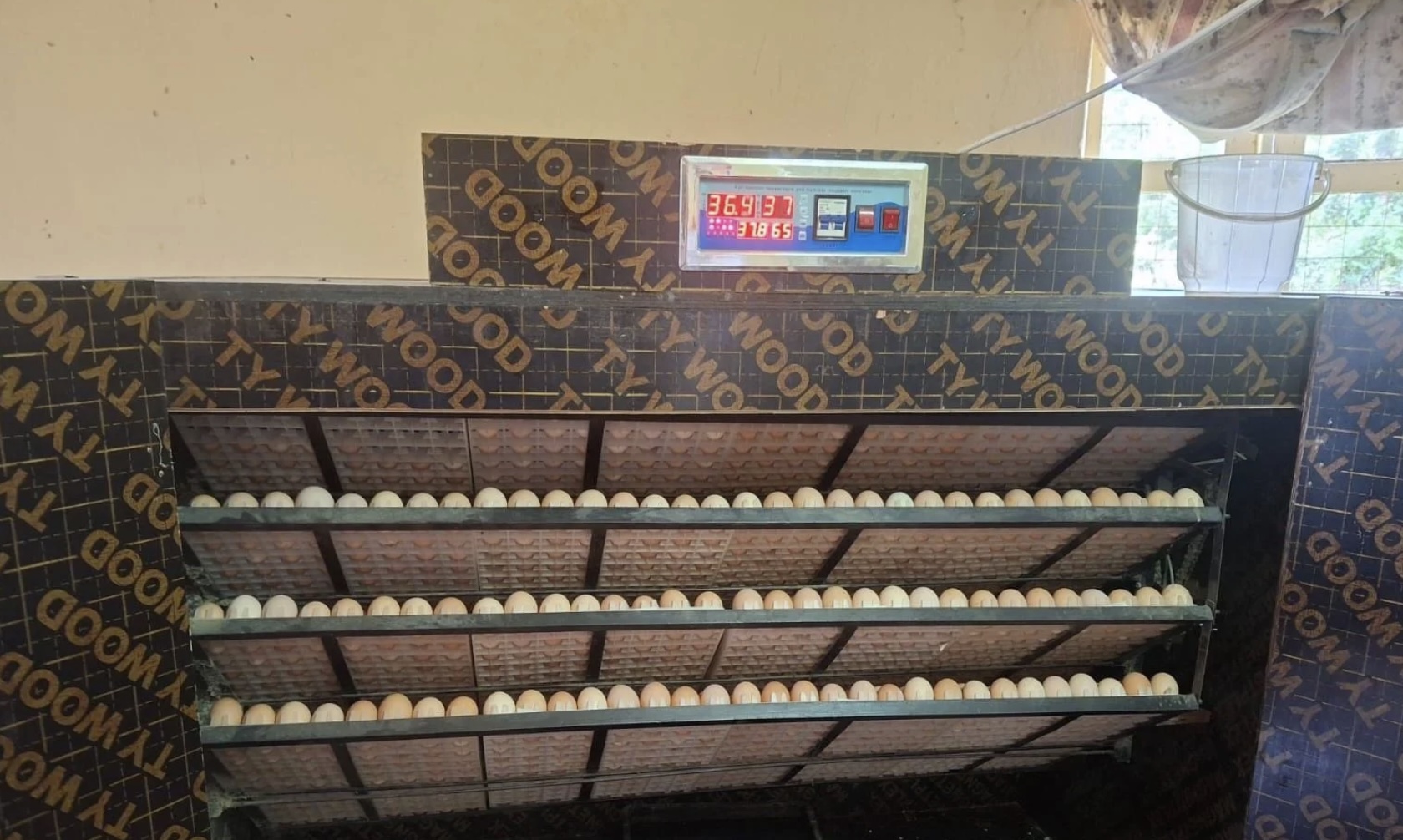
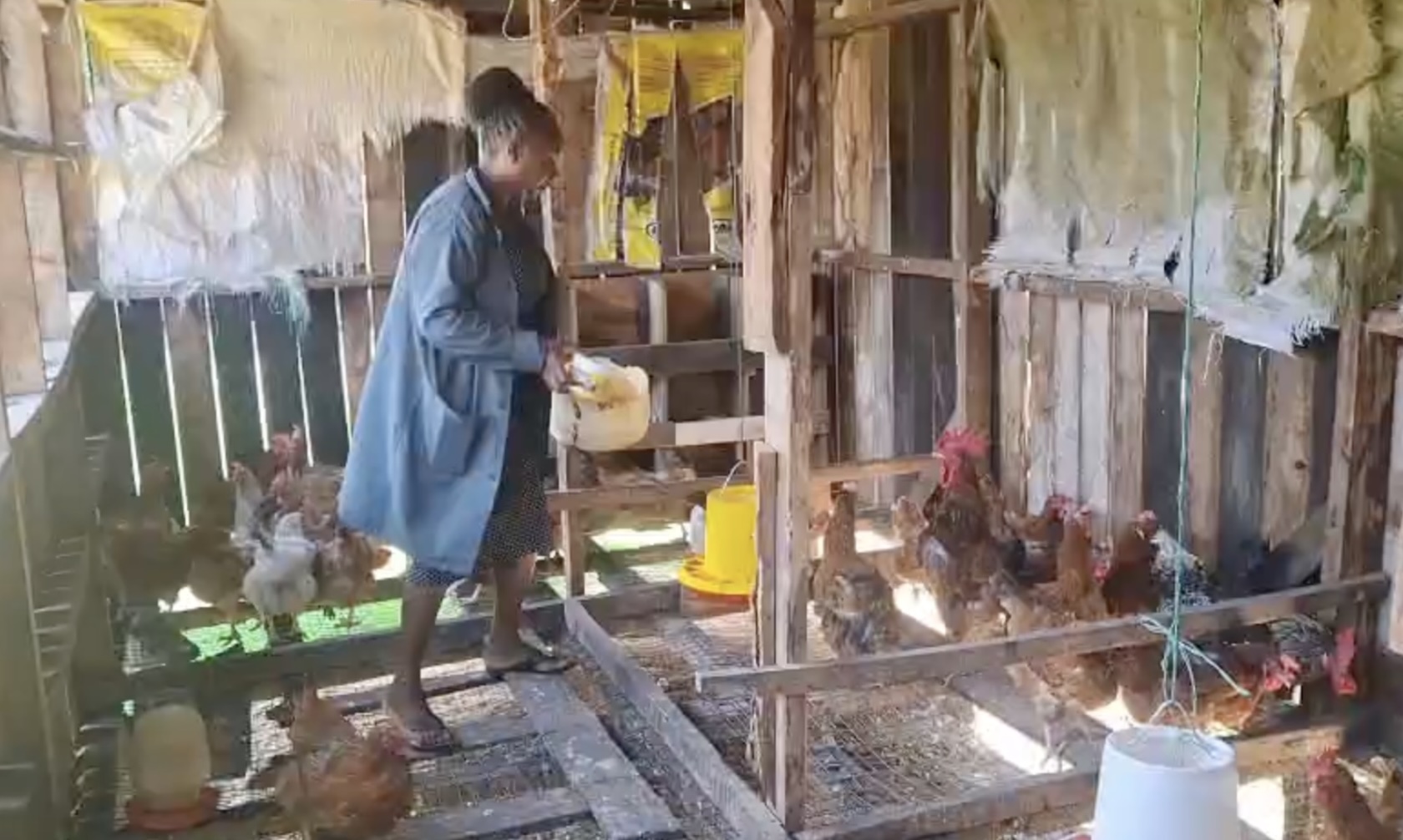
Left to right: Grace Wambui and members of the Cogra Enterprise team; the first incubator that marked the beginning of her poultry farming journey; and healthy chickens being raised through improved farming practices that have helped drive the business’s growth.
The transformation reflected key elements of the WCW Programme’s GAIM methodology, which helps entrepreneurs strengthen business systems, improve financial management, access growth opportunities, and build sustainable enterprises capable of creating jobs and long-term impact. She adopted digital bookkeeping tools such as QuickBooks, allowing her to track sales, expenses, inventory, and business performance in real time. The change was immediate.
“I can now save my records digitally and access information whenever I need it. It has improved decision-making and helped me understand exactly how the business is performing.”
For Grace, the lesson extended beyond technology. She discovered that sustainable business growth does not come from effort alone – it comes from systems.
Rather than relying solely on memory, manual processes, and constant supervision, she learned to create structures that could support expansion. Better record-keeping, clearer accountability, and stronger planning enabled her to spend less time managing daily tasks and more time focusing on growth opportunities. The transformation through the programme was not only technical; it was personal. Grace strengthened her leadership skills and viewed herself differently – not simply as someone running a hatchery, but as a business owner building a scalable enterprise. She learned to delegate more effectively, establish accountability within her team, and create a workplace culture centred on trust and empowerment. As her leadership evolved, so did her business.
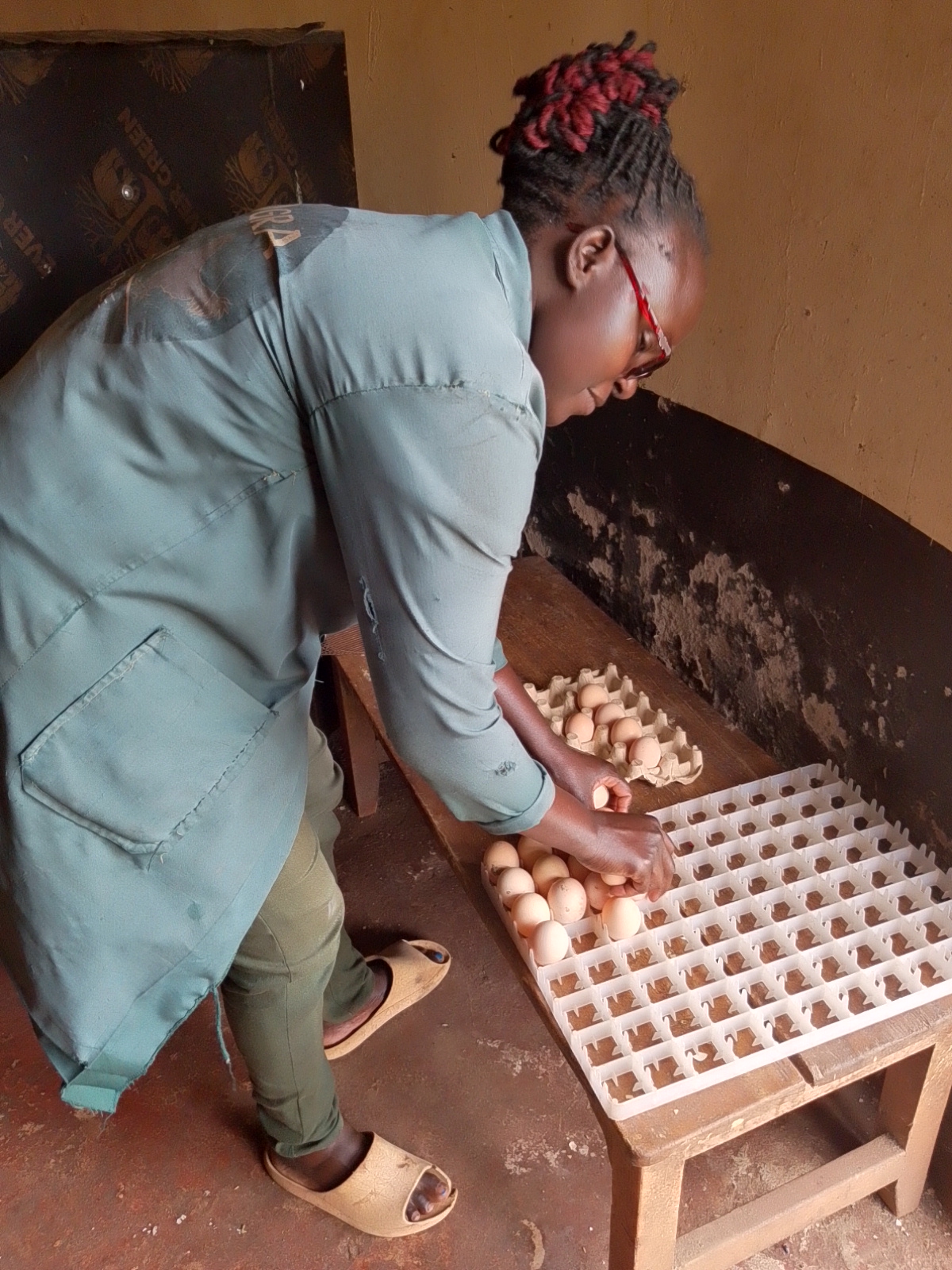
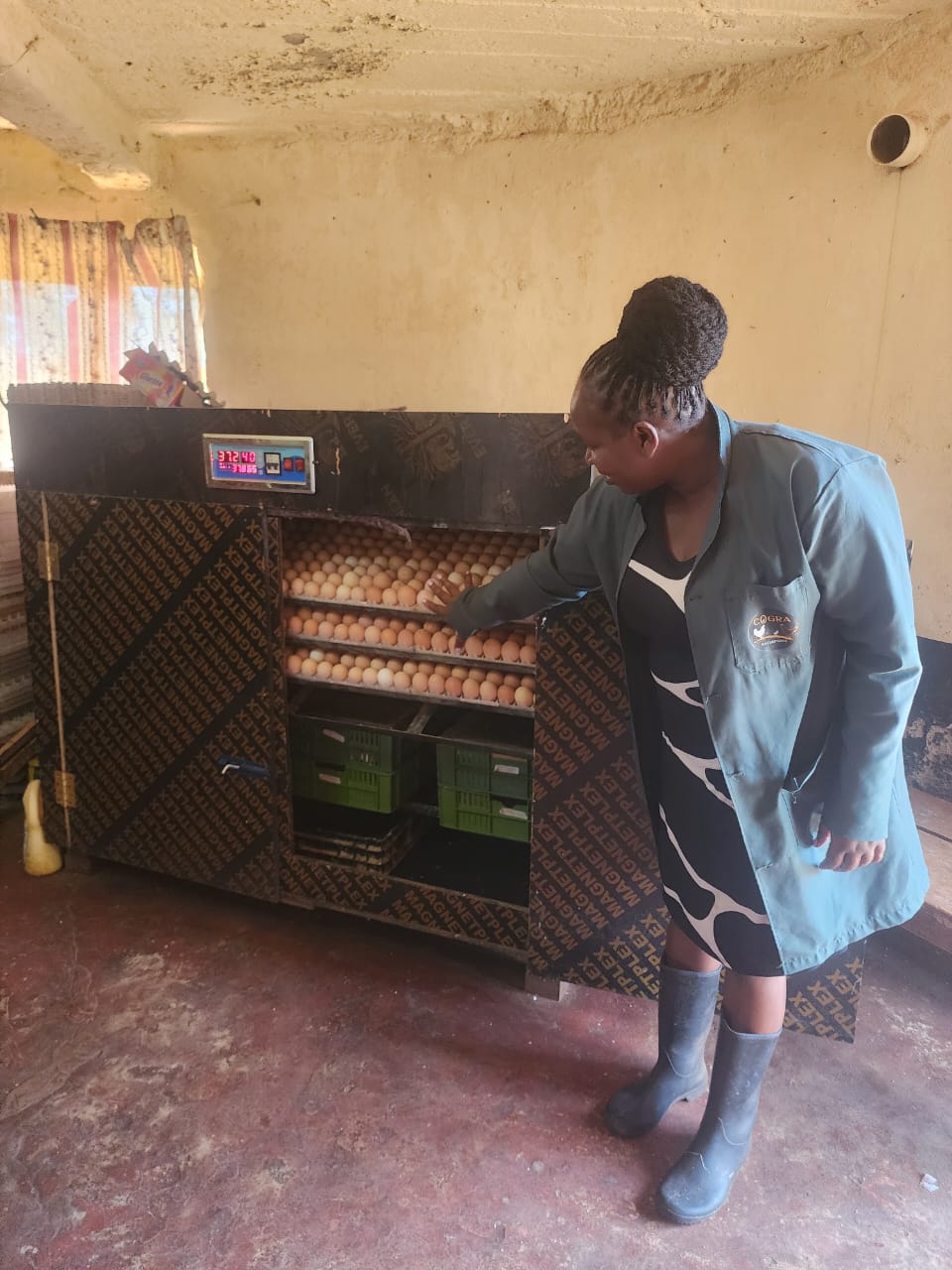
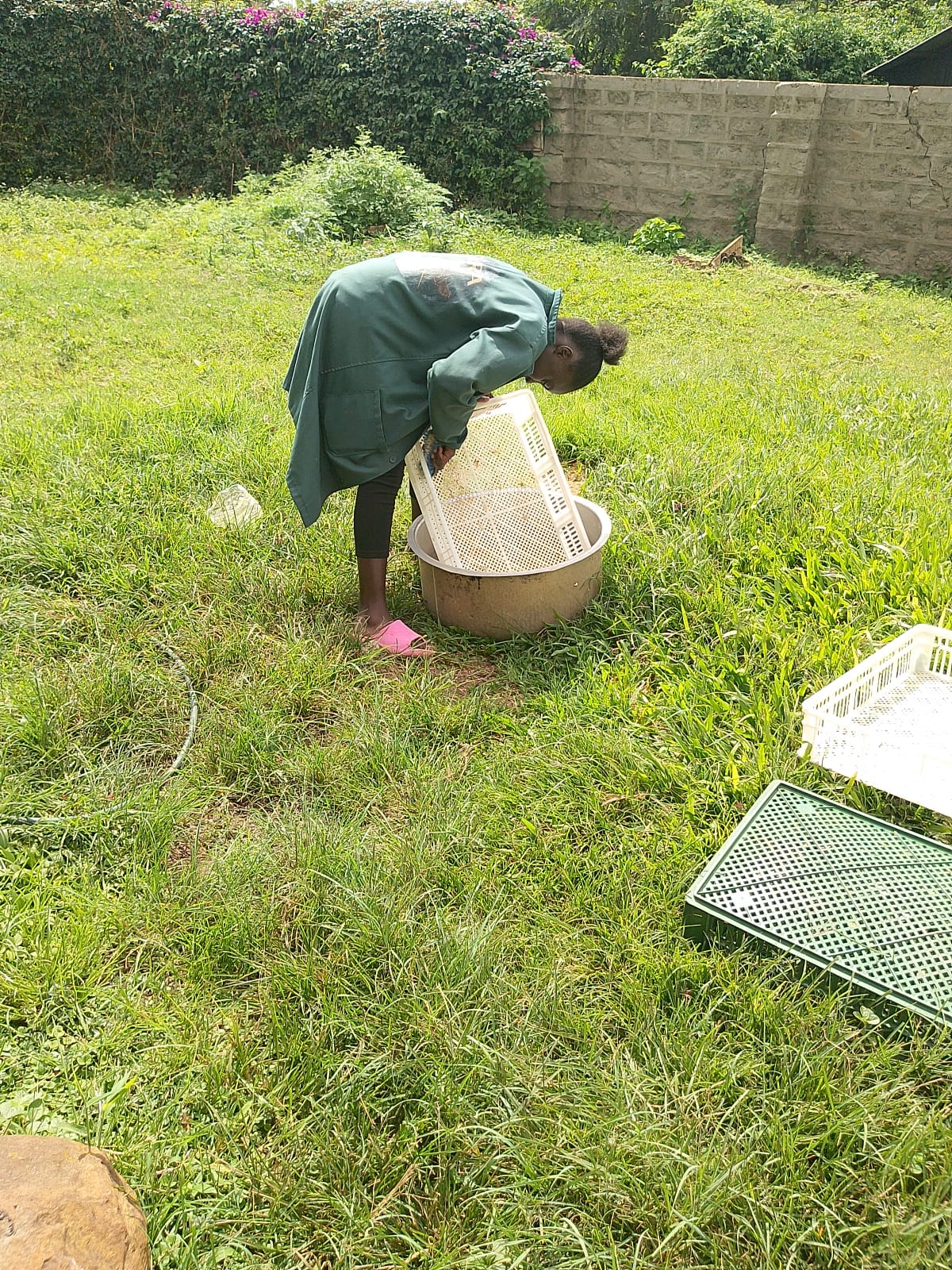
Hard at work: Cogra Enterprise staff ‘s daily discipline is part of building a scalable business.
Today, Cogra Enterprise hatches approximately 1,300 chicks per week and serves customers across Kirinyaga, Embu, Murang’a, and Nyeri Counties. Revenue has increased by 40%, while profit margins have improved by 25% – all driven by better planning, improved efficiency, and larger production batches. One of the most significant outcomes of her WCW journey has been becoming investment ready. Through pitch coaching and financial literacy training, Grace refined her business proposal and gained the confidence to approach financiers. She is currently in advanced discussions to secure KES 500,000 (USD 3,870) from a local SACCO to expand her hatchery, upgrade incubators, and improve brooding infrastructure. The planned investment is expected to create at least five new jobs within her community.
Grace has also embraced digital marketing to expand her customer base. Using Facebook, Cogra Enterprise website and referrals to promote her products, she has grown her reach beyond Kirinyaga and established a presence in neighbouring counties. Yet perhaps the most meaningful measure of success is not found in revenue figures. As a peer mentor within the WCW community, Grace has supported three emerging entrepreneurs, two of whom have already launched their own agribusiness ventures. She also actively shares lessons and insights through the Ignite platform, helping other women navigate their own business journeys. “Through Women Creating Wealth, I didn’t just grow my business,” she says. “I learned how to grow people. I now have three young women working in my business and work with a health consultant who ensures the health and viability of the hatched chicks.”
Through structured operations, proper feeding routines, and hands-on management, Grace continues to grow a poultry business built on consistency, care, and sustainable systems.
Authors:
Author
