
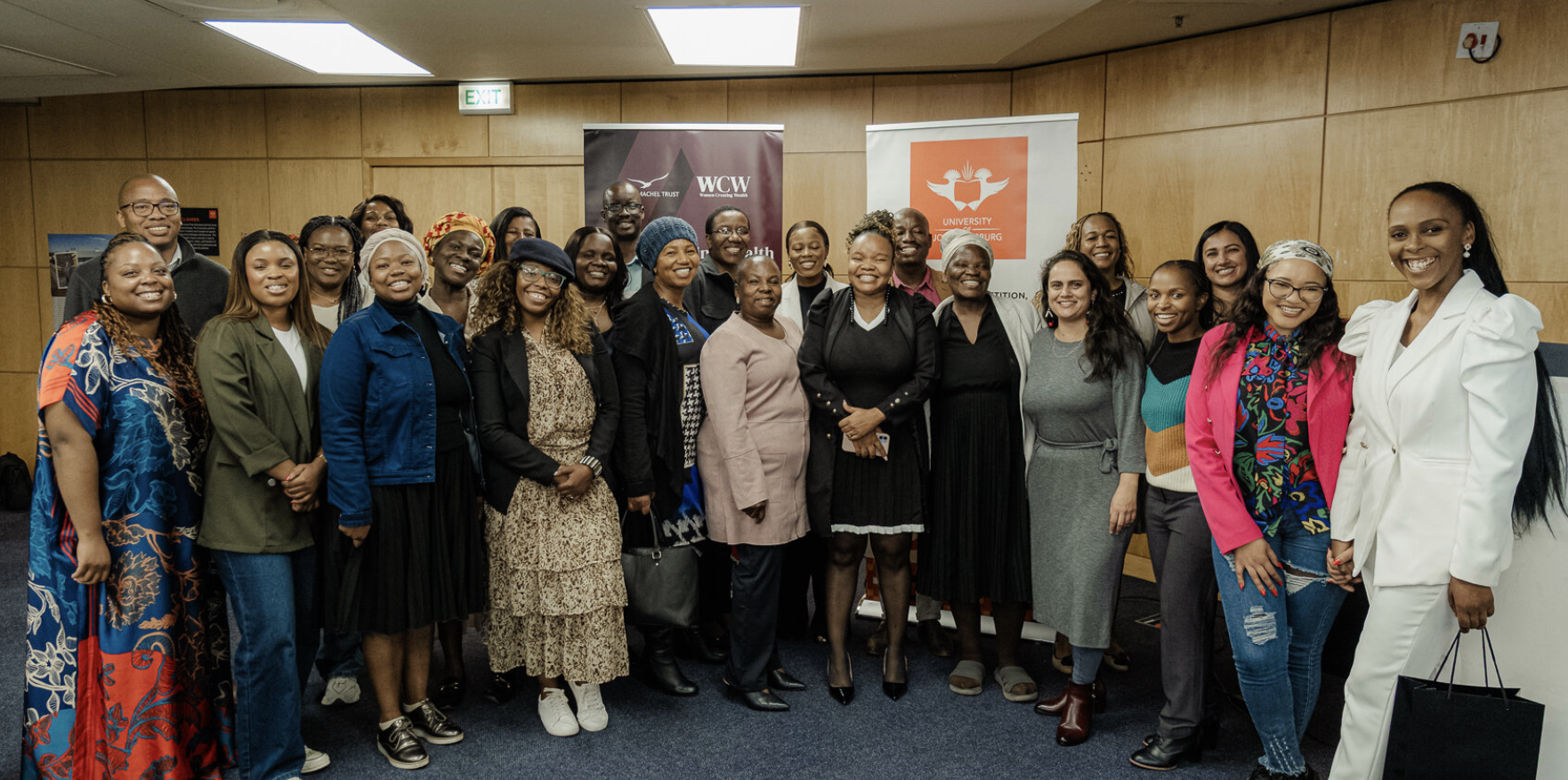
“Access to commercial finance remained out of reach.” When Carol Masilo, owner of Elandskraal Projects, said it, the room understood immediately what she meant. Not because it was a new problem, but because she described it in the plain language of women’s lived experience. She was speaking at the recent Policy Symposium on Inclusive Market Access and Competition in South Africa’s Poultry, Wine and Citrus Industries, convened by the Graça Machel Trust’s Women Creating Wealth Programme and the Centre for Competition, Regulation and Economic Development (CCRED) of the University of Johannesburg.
She described the challenges she and other women entrepreneurs face in accessing finance: loan applications that fall short on seasonal cash flows, and payment delays that turn a reliable outlet into a liquidity gap. “Despite these constraints,” she said, “lemon production has nearly doubled.” Through mentorship and support, she strengthened record-keeping and cash flow planning and built credibility with lenders.
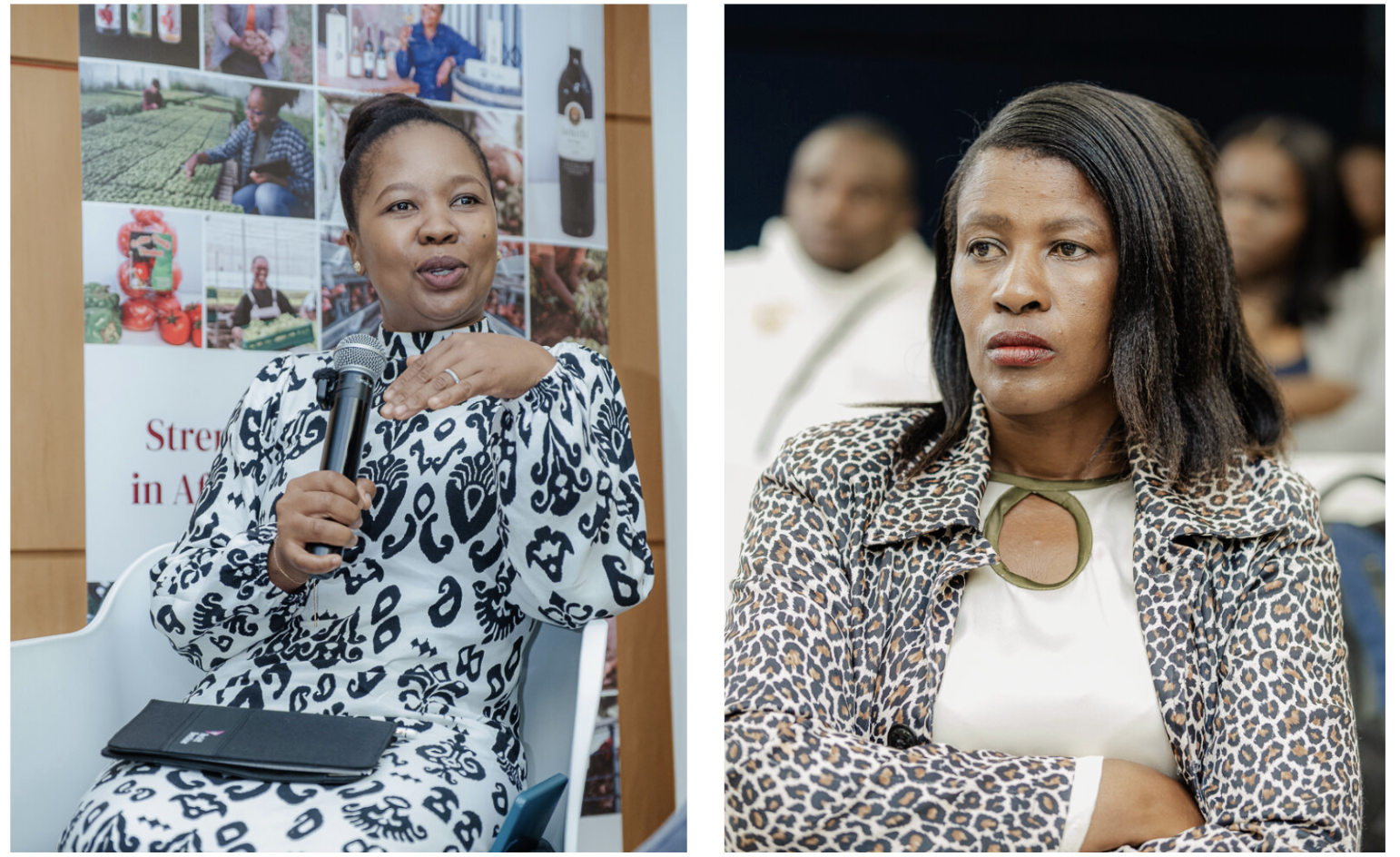
Carol Masilo, Elandskraal Projects, shares the financing realities facing women farmers with the audience at the Agriculture Value Chain Policy Symposium in Johannesburg.
The symposium brought stakeholders together around a simple question: What changes when markets are designed for fairness, and women entrepreneurs help shape the rules?
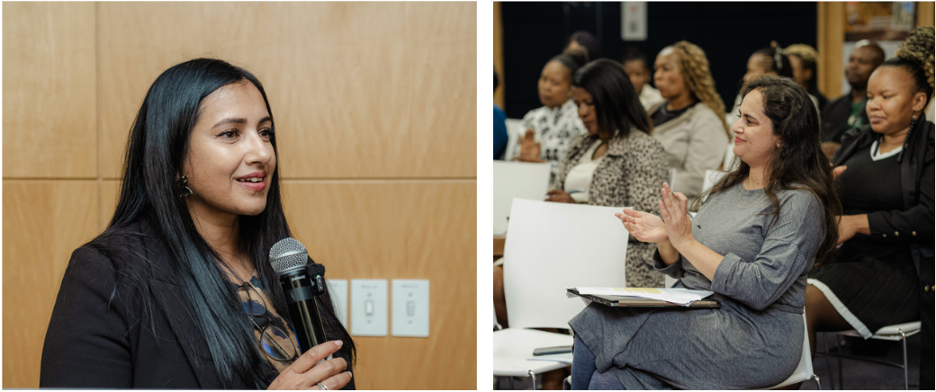
Professor Reena Das Nair, Executive Director at CCRED, framed the urgency with a reminder of both recognition and challenge. “Women in food production are doing extraordinary work; cultivating land, managing enterprises, creating jobs, and ensuring food reaches households. Yet their contributions remain undervalued and under-supported.” She urged participants to listen deeply, challenge assumptions, and shape context-specific policies that expand women’s participation.
For the Graça Machel Trust, the symposium formed part of the ongoing research and evidence-building work being carried out with CCRED under the Women Creating Wealth Agricultural Value Chains project, supported by the European Union. Caroline Komey, Senior Entrepreneurship Officer at the Graça Machel Trust, said, The research, insights and stories we collected have helped shape what comes next.”

Caroline Komey, Senior Entrepreneurship Officer, Graça Machel Trust
She also noted strong demand from women entrepreneurs. The project enrolled 135 women through roadshows and received more than 200 applications, showing that women are ready to participate and scale when markets and institutions create real pathways for them.
CCRED researchers Teboho Bosiu, Senior Researcher, Shingie Chisoro, Senior Researcher, and Dr Choolwe Muzyamba, Researcher, outlined how market structures shape who enters, who scales, and who is locked out across poultry, citrus and wine.
In poultry, Mr Bosiu explained that women and small, medium and micro enterprises often participate mainly in informal markets, while formal commercial participation requires significant capital and access to processing facilities. In citrus, Ms Chisoro presented an industry that is globally competitive but not translating growth into broad-based inclusion, particularly for women. In wine, Dr Muzyamba described how the cost of entry, listing fees and long payment cycles can keep first-generation black women entrepreneurs at the margins, even when they find creative ways to enter the market.
In the Voices of Entrepreneurs session, moderated by Sumayya Goga, Senior Researcher at CCRED, testimonials from Carol Masilo of Elandskraal Projects, Segomotso Letebele, founder of Gaman 67 Citrus Farm, and Lebohang Dhludhlu of Nkanyezi Farming reinforced a consistent message: productivity and compliance are not enough when routes to market are costly, payments are slow, and bargaining power is uneven.
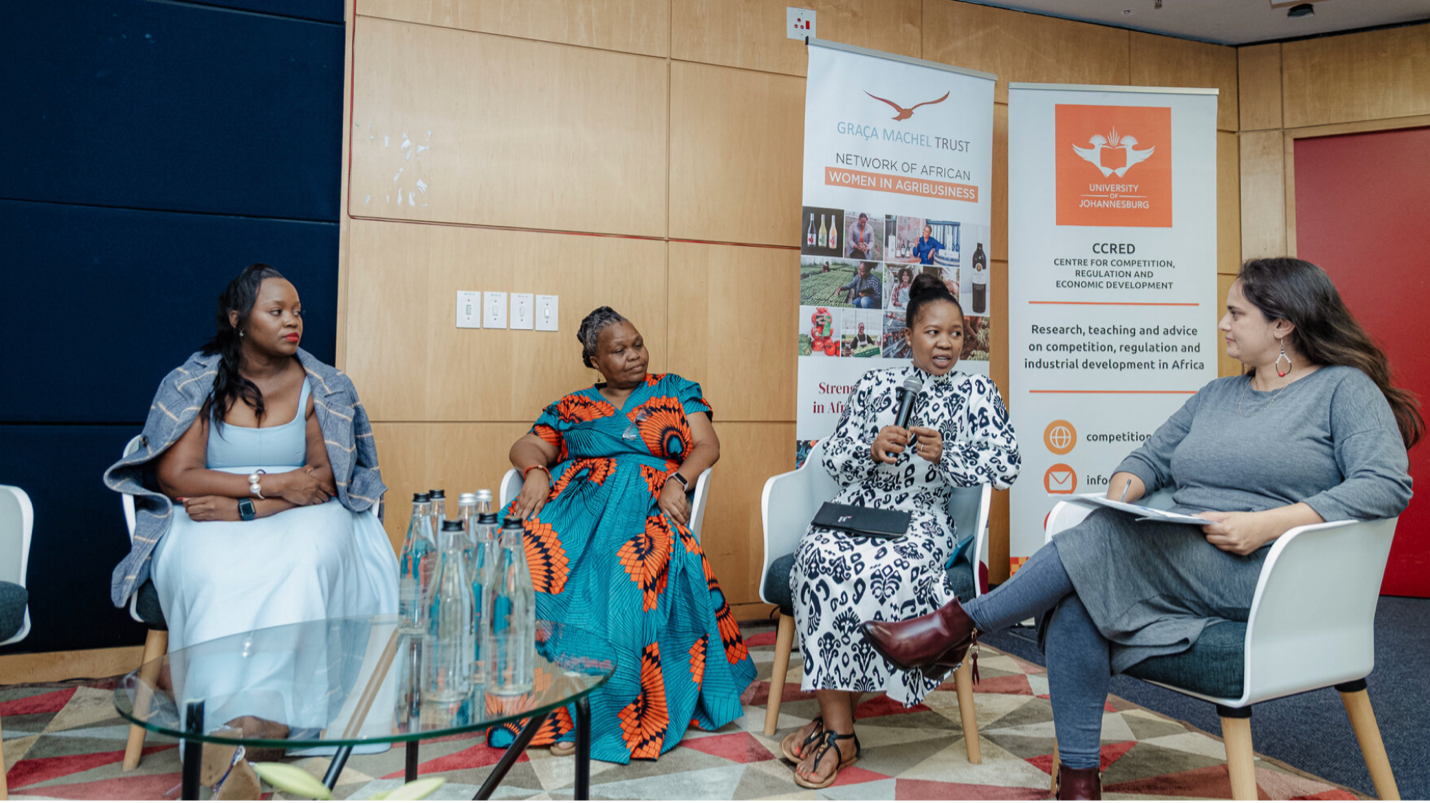
Voices of Entrepreneurs session featuring Carol Masilo, Segomotso Letebele and Lebohang Dhludhlu, moderated by Sumayya Goga from CCRED.
For many women, the first wall is finance. “The biggest challenge has been trying to get the right finance,” Segomotso said. “When I started my business, I hoped the banks would assist when I applied for loans, but from the onset it was no. They could not finance me because I did not have the necessary skills.”
Reflecting on what makes markets work in practice, Thuto Maepa, Chair of the African Women in Agribusiness South Africa chapter and Group Human Resource Executive at Sovereign Foods, reminded participants that access is shaped by relationships as much as regulations. “Markets do not run on transactions alone. They run on relationships, linkages and trust,” she said.
In the Regulatory Voices panel, moderated by Lehlogonolo Ratlabyana, Independent Consultant at the Graça Machel Trust, Litha Kutta, Head of Partnership Development at the Land Bank, spoke about collateral as a barrier for many producers, particularly those operating on permission-to-occupy (PTO) land or without title deeds. He highlighted credit guarantees as one practical way to reduce risk and expand lending. Mogau Aphane, Principal Analyst at the Competition Commission South Africa, added that market conduct matters. Where unfair or exclusionary behaviour is alleged, the Commission can assess the conduct and advise on recourse, so emerging producers know what mechanisms exist to support fair participation.
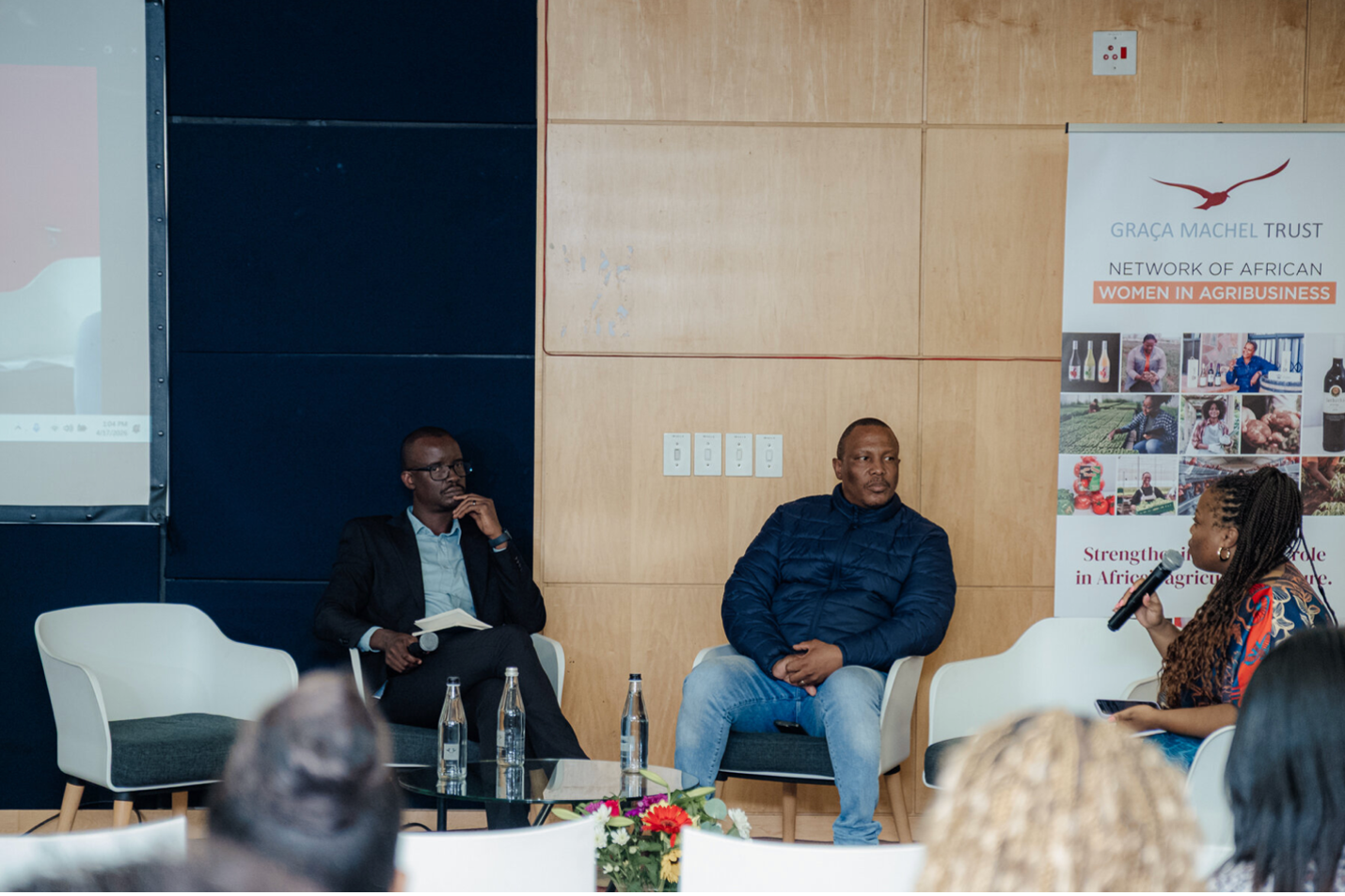
Litha Kutta (middle) of the Land Bank and Mogau Aphane (right) of the Competition Commission South Africa discuss finance and market conduct as levers for inclusion.
Presentations by John Melita Kamoiro of Ndoto Forest Community Conservation Organisation in Kenya and Lungile Mkhize of Lungile Poultry Farm, South Africa connected local realities to wider continental patterns, showing how market power, land rights and practical support interventions continue to shape whether women can enter, compete and stay in agri-food markets.
The symposium closed with a shared understanding that the barriers women face in poultry, citrus and wine are not only about production. They are shaped by how markets are structured, how finance is designed, and how rules are applied in practice. Bringing research, entrepreneur testimony and policy voices into one space helped sharpen what needs attention next: fairer routes to market, clearer accountability for market conduct, and finance solutions that match the realities of emerging producers.
Caroline Komey added, “We will continue supporting women in agricultural value chains through the Women Creating Wealth business community by promoting collective models across wine, citrus and poultry. This enables stronger market access, bargaining power and economies of scale. In parallel, we will deepen policy engagement through partnerships and memoranda of understanding with institutions such as the SADC Business Council and COFWB to advance gender responsive reforms, address market barriers, and expand access to finance and cross-border trade opportunities.”
Authors:
Author
