
At 34, the founder of Afribest Company Limited in Dar es Salaam is part of a growing wave of women entrepreneurs in Tanzania breaking into manufacturing – one of the country’s most demanding and male-dominated industries. But long before the fire, Magreth had already built a business defined by resilience, structure, and ambition.
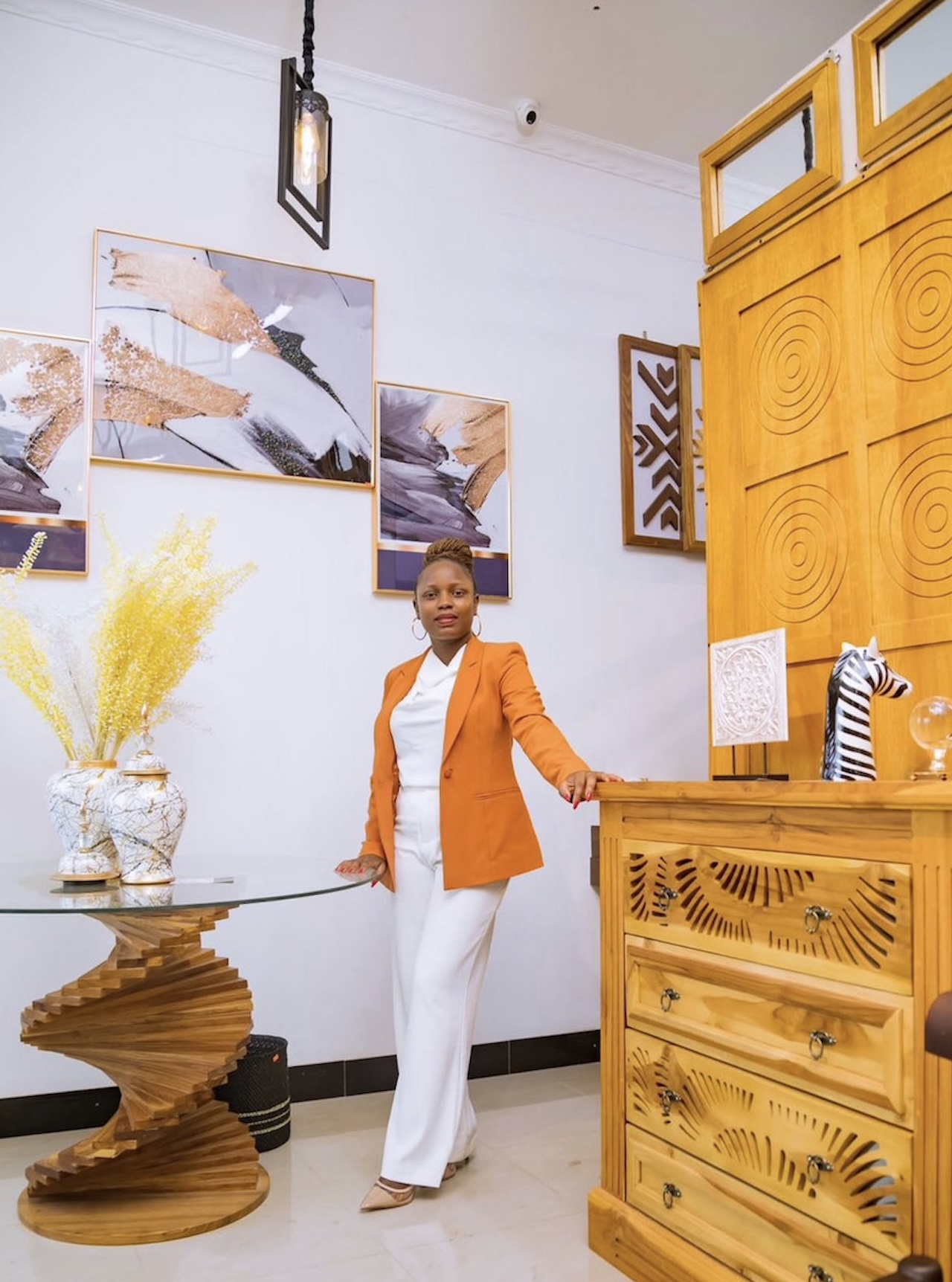
Over nine years, Afribest evolved from a modest operation into a manufacturing business employing 30 to 50 people and delivering thousands of furniture projects across Tanzania. From homes and offices to hotels and national developments, the company has steadily positioned itself as a competitive local manufacturer. “Afribest produces custom-made and ready-to-order furniture for homes, offices, and institutions,” Magreth explains. “We focus strongly on quality finishing, durability, and practical modern design.”
Her mission is clear: to change perceptions around locally made products. “I want every client to feel proud that their furniture is made in Tanzania.” In a market still dominated by imports, this vision matters. Tanzania’s furniture sector is growing rapidly, driven by urban expansion and increasing demand for quality and design. Afribest is part of a shift toward value-driven, locally produced goods.
The journey began without a workshop. In the early days, Magreth coordinated local craftsmen, managing production and ensuring quality for small projects – mostly for friends and family. Those experiences built the operational discipline that would later support large-scale contracts. Today, Afribest delivers projects across Dar es Salaam, Arusha, Dodoma, Zanzibar, and Mwanza. Major milestones include upgrading executive rooms at Four Points by Sheraton Dar es Salaam and furnishing 54 houses at the Julius Nyerere Hydropower Project – a major hydroelectric dam on the Rufiji River in eastern Tanzania, with a capacity of 2,115 megawatts. After years of building, the business had reached a level of scale and stability that few early-stage manufacturers achieve.

And then, in a single moment, everything changed. A blaze tore through Afribest’s workshop, destroying machinery, materials, and active production orders. The cause of the fire was not determined, with investigations concluding as inconclusive. “It was devastating,” Magreth says. “Years of hard work seemed to disappear overnight.” For a manufacturing business, the impact was immediate. Production stopped, orders were delayed, and employees’ livelihoods were at risk. “There were moments of doubt,” she admits. “But I knew giving up was not an option.”
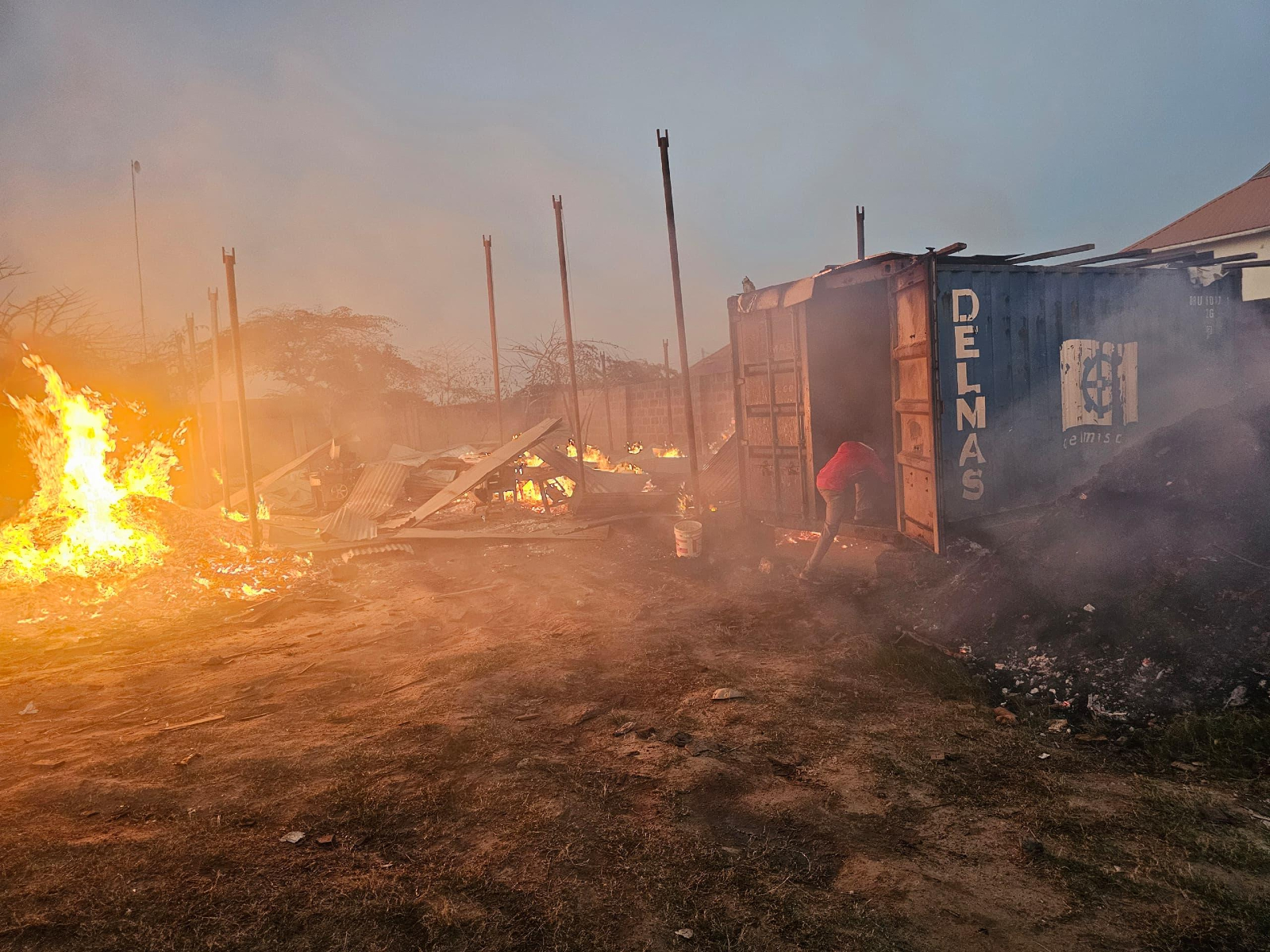
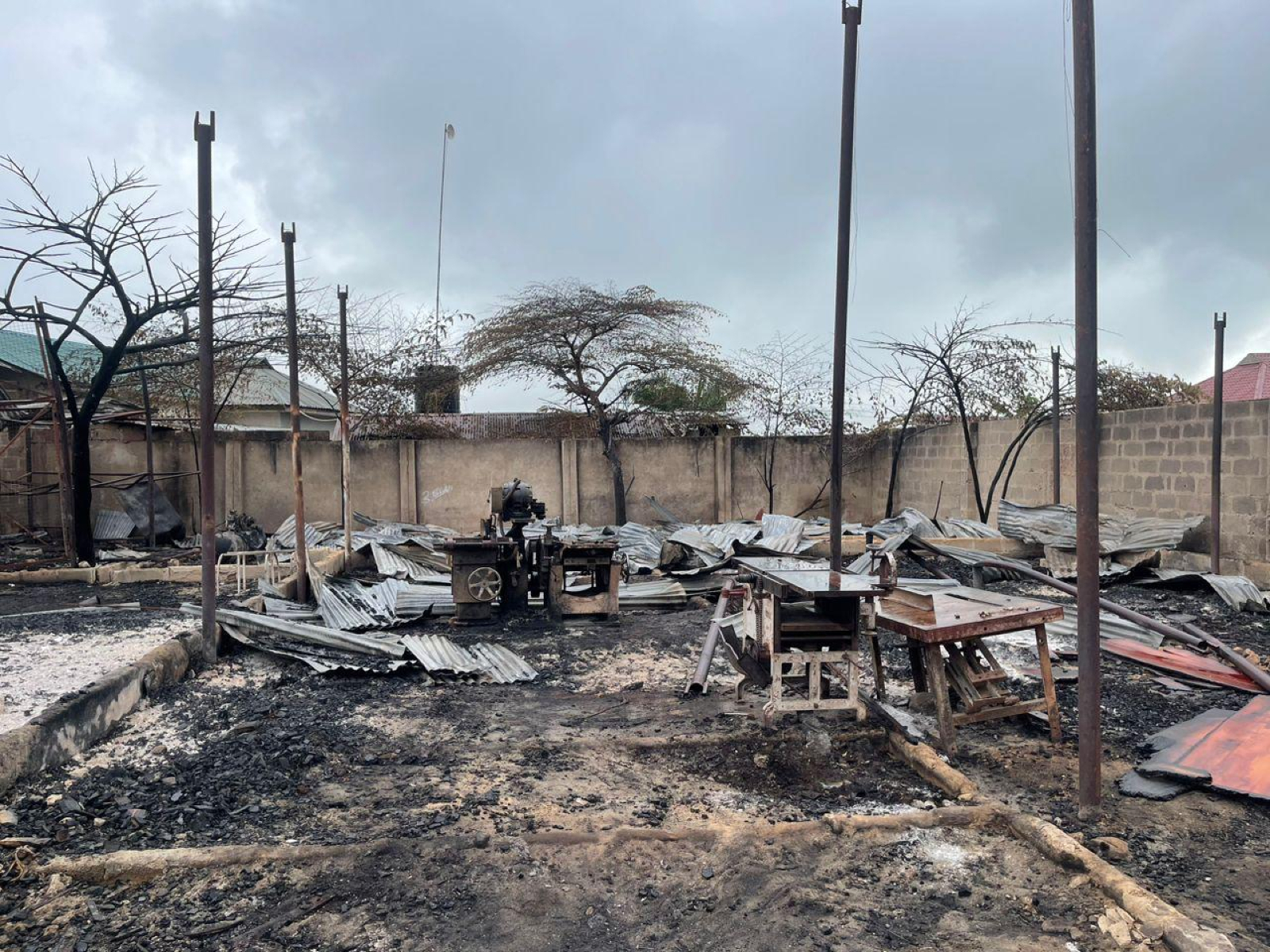
What followed was an intense eight-month recovery. Magreth managed everything – sourcing new workshop space, negotiating with suppliers, maintaining client relationships, and travelling to China to secure machinery. “Some days I was exhausted,” she recalls. “But doing nothing wasn’t an option.” Without insurance, the financial pressure was severe. She relied on savings, reinvested profits, and loans to rebuild. One of the hardest decisions was redirecting funds meant for a showroom into rebuilding the workshop – choosing survival over expansion. Her leadership was tested not only financially, but emotionally. Her team depended on the business, and she had to maintain stability while rebuilding from nothing. Some employees left, but those who remained were supported and involved in the recovery process.
Clients were also affected, but transparency became her strategy. “I was honest with them,” she says. “We renegotiated timelines, but no one asked for a refund. Showing up consistently kept their trust.” The turning point came when the first machines started running again. “It wasn’t perfect, but I stood there and thought – we’re going to make it.”
The workshop officially resumed operations on 1 July 2025. The experience reshaped how the business operates, with stronger systems, improved risk management, and insurance now in place. Through the Women Creating Wealth (WCW) Programme, Magreth also strengthened her financial management, pricing strategies, and operational discipline. “Before WCW, I thought scaling meant doing more,” she says. “Now I understand it’s about building systems that allow the business to carry itself.”
Today, Afribest is expanding through digital channels, including a new e-commerce platform, while investing in advanced machinery to diversify its product offering. The business continues to create jobs and contribute to Tanzania’s growing manufacturing sector. Magreth’s journey also reflects the broader reality for women entrepreneurs navigating traditionally male-dominated industries.“I had to work harder to prove myself,” she says. “But trust is earned through results.”
Her work has earned national recognition, but her focus remains on building a sustainable, scalable business. For Magreth, the fire was not just a setback – it was a defining moment. “Rebuilding taught me that resilience is not just about starting again,” she reflects. “It’s about rebuilding smarter.” And in doing so, she is proving that women-led manufacturing businesses in Tanzania can not only survive disruption – but emerge stronger, more structured, and ready to scale.
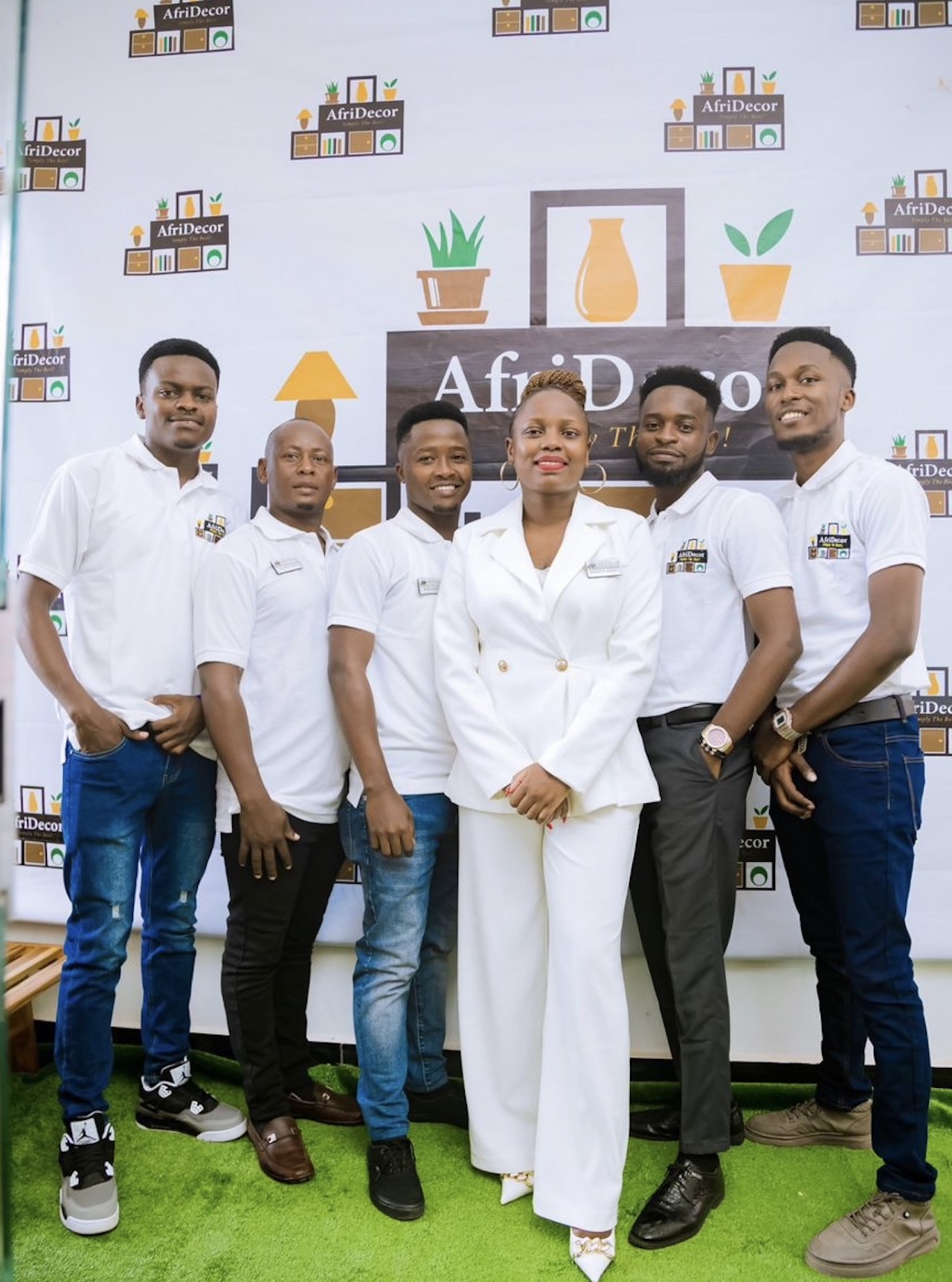
Where are they now? AfriDecor, a subsidiary of Afribest Company Ltd, is a one stop company for all of your custom made furnishing need. Today, Afribest currently supports between 30 and 50 employees – carpenters, designers, installers, administrative and sales staff – with plans to grow as demand increases.
Authors:
Author
