Reflections from the Afrishela breakfast forum on mobilising domestic capital for high-impact growth, women’s economic inclusion, and climate solutions.
As external financing tightens and climate pressures grow, more African institutions are looking to domestic capital and local financial systems to fund development and resilience at scale. Yet capital still does not flow easily to the enterprises and projects that need it most. The barriers are structural: a high cost of capital, risk models that do not reflect local realities, and financing requirements that exclude many growing businesses, especially small and medium-sized enterprises, due to unrealistic collateral requirements and huge transaction costs.
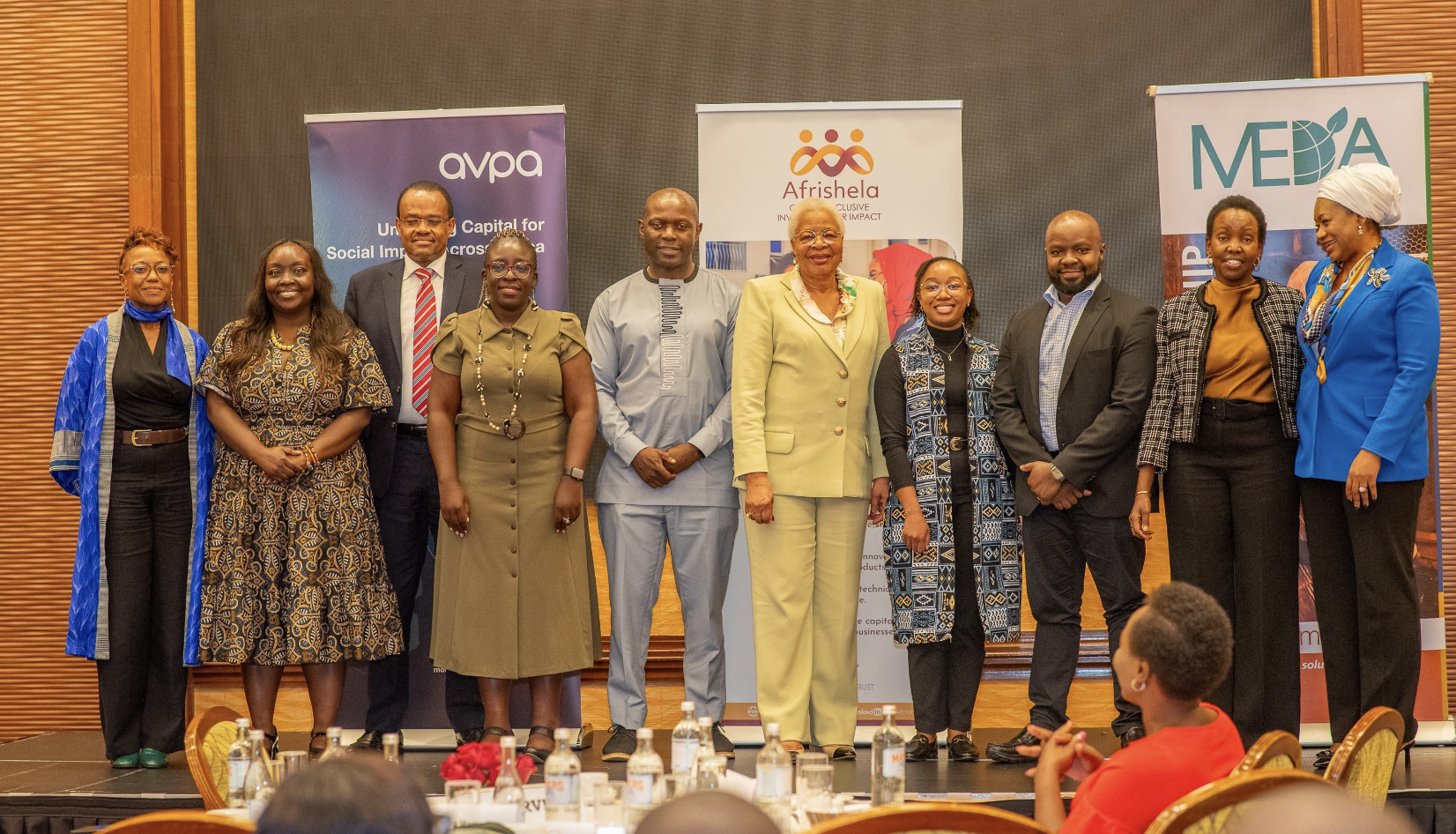
This is why the Afrishela Investment Fund, promoted by the Graça Machel Trust, hosted the Blended Finance in Africa breakfast forum on 14 May 2026 in Nairobi. The event was organised in partnership with the African Venture Philanthropy Alliance (AVPA) and Mennonite Economic Development Associates (MEDA). It brought together fund managers, institutional investors, development finance institutions, philanthropists, and policymakers to focus on what moves capital from good intentions into real transactions.
The forum took place on the sidelines of the Africa Forward Summit in Nairobi, Kenya, a convening held on 11–12 May 2026 that brought together African leaders and global partners to discuss investment, innovation and growth, alongside priorities such as the energy transition, peace and security.
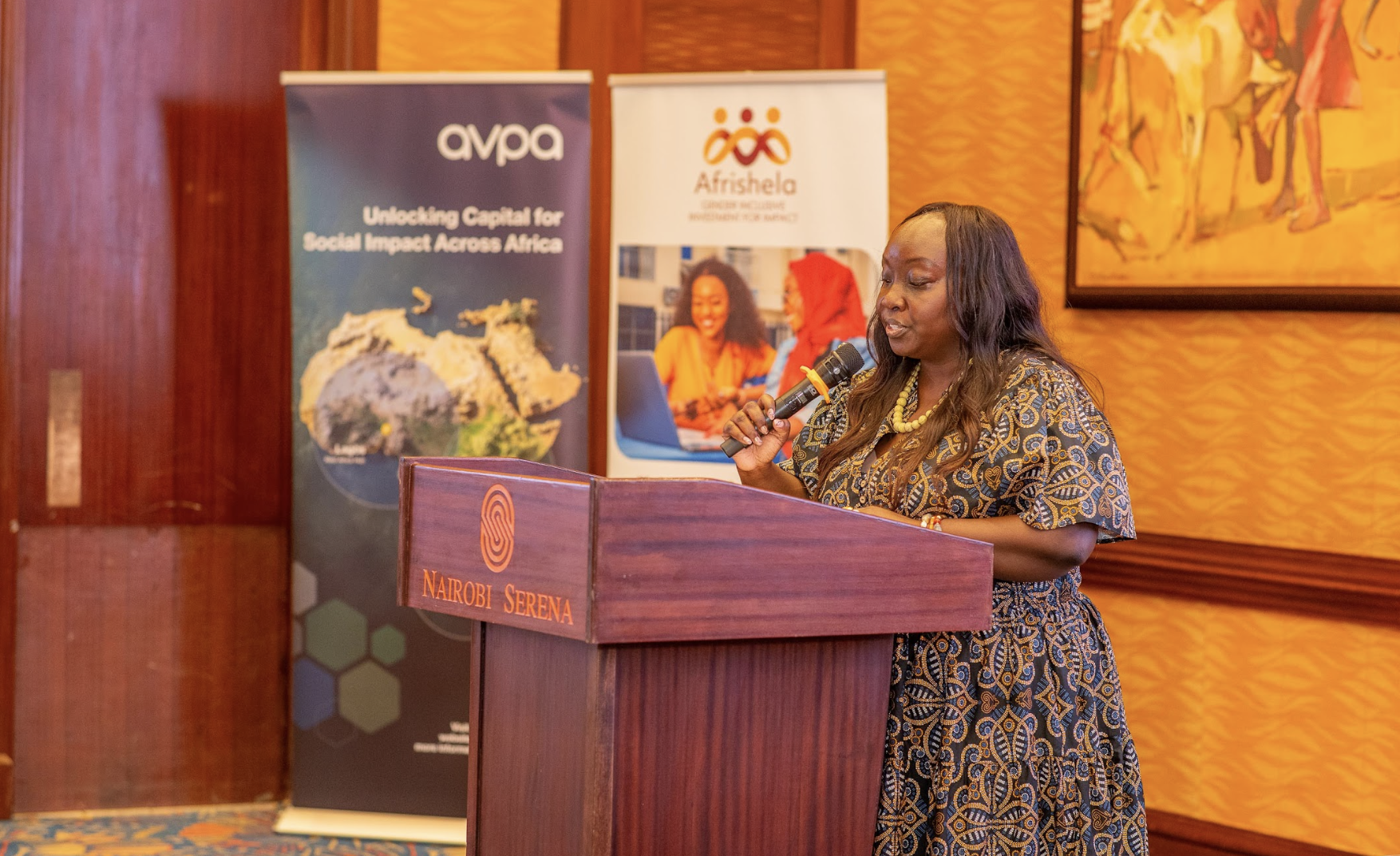
Andia Chakava, Managing Partner at Afrishela Fund.
Andia Chakava, Managing Partner at Afrishela Fund, set a clear tone. “Blended finance allows different pools of capital to work together,” she said, “but it needs more than collaboration; it requires compromise.” She framed blended finance as practical capital design: structuring risk-sharing so that deals become investable and domestic capital can participate alongside catalytic and development partners.
A clear point kept resurfacing: the problem is not a lack of capital, but how it is channelled. Several speakers noted that too much institutional money remains concentrated in government bonds, while enterprises that create jobs and build resilience struggle to become investment-ready or access affordable finance.
Dominic Kiarie, Chief Executive Officer of Jubilee Asset Management Limited, put the responsibility plainly: “If we do not make this change, the next generation will never forgive us.”
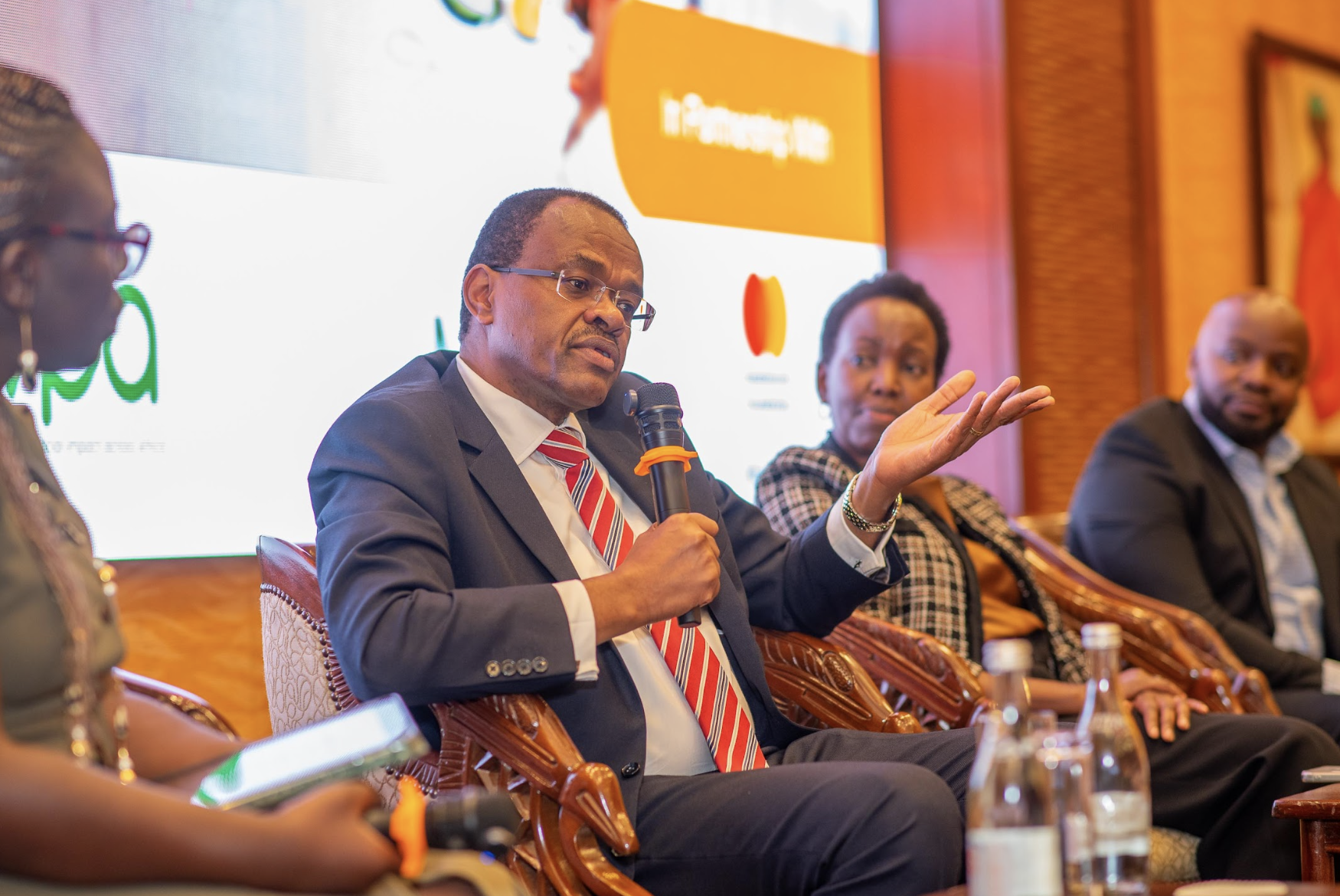
Dominic Kiarie, Chief Executive Officer of Jubilee Asset Management Limited.
That disconnect matters for women as capital systems often mirror social systems. Frank Aswani, Chief Executive Officer of AVPA, put it plainly: where women cannot own property, they cannot offer collateral. Without collateral, they cannot access capital. “That is not an oversight,” he said. “That is a system.” He emphasised that if investment is not reaching women and youth, it is leaving growth on the table.
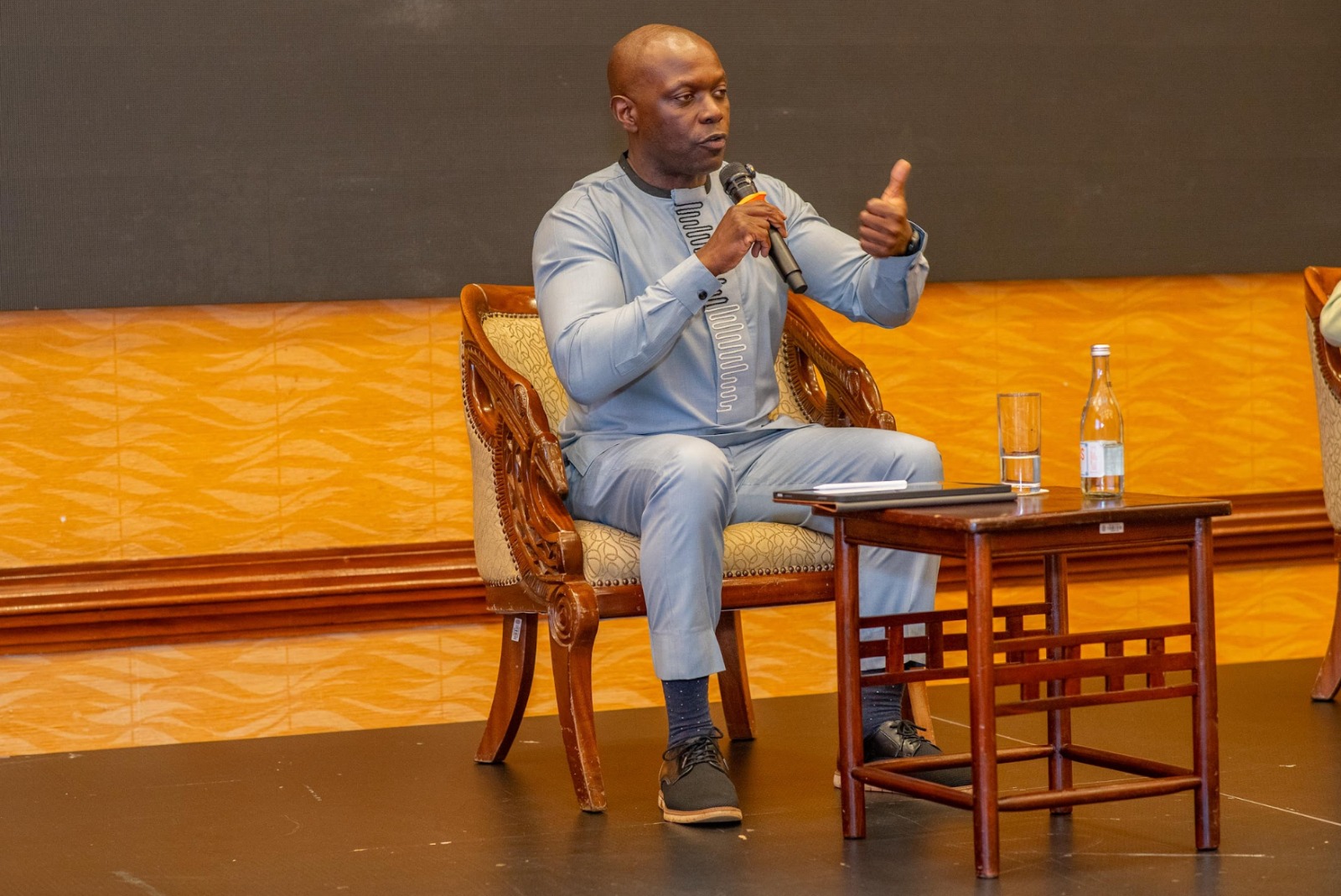
Frank Aswani, Chief Executive Officer of AVPA.
Aishah N. Ahmad, former Deputy Governor of the Central Bank of Nigeria and Chairperson of the Graça Machel Trust’s Expert Leaders’ Group on Women’s Financial Inclusion, shared her views from another perspective: “In this current system, we need women shaping what comes next, not just responding to it,” she said. “We want women involved in policy, in crafting the narrative, in shaping the story of Africa across every corner of this continent.”
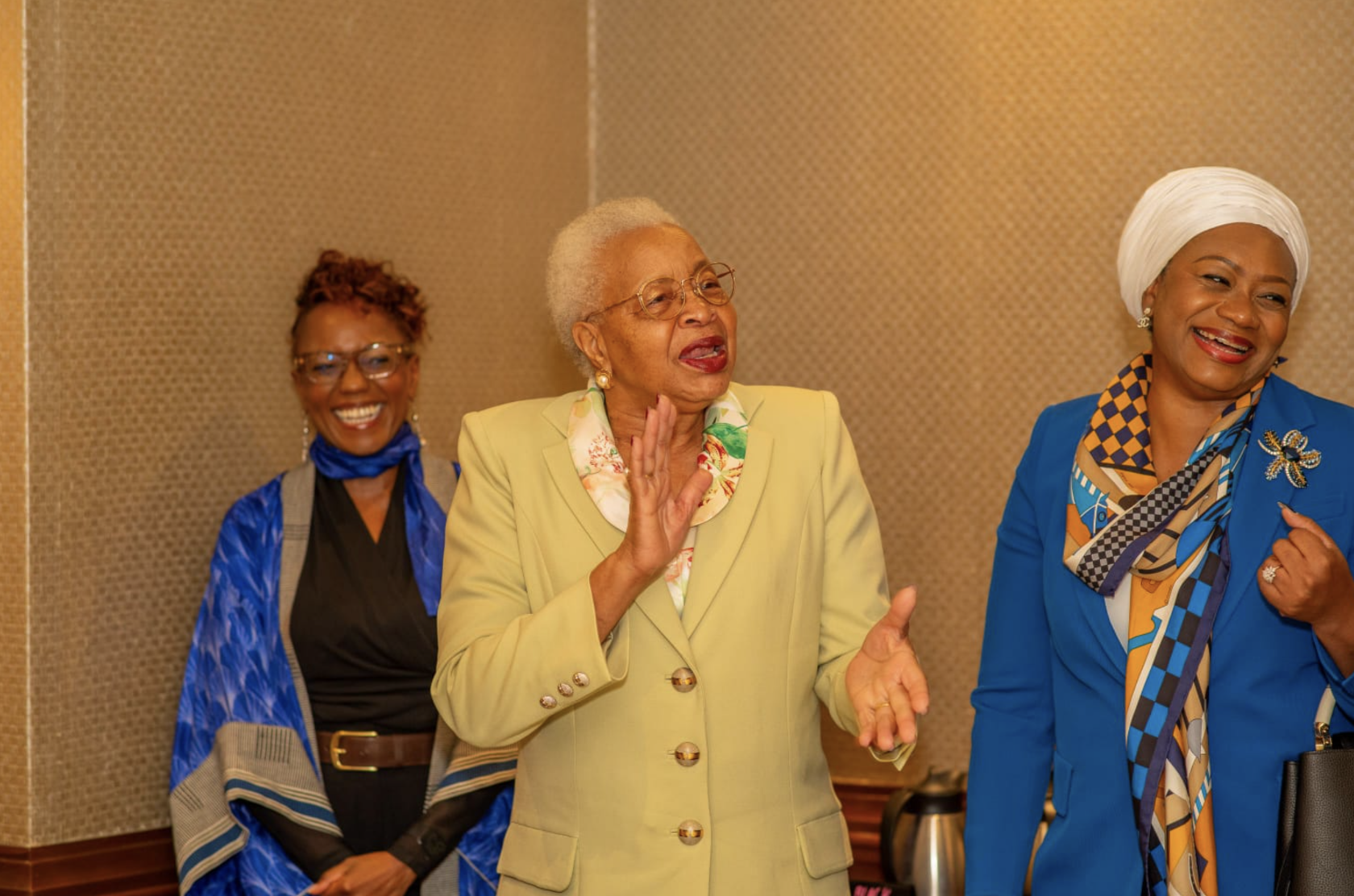
Kanini Mutooni Afrishela, Advisory Board Member (right) with HE Mrs Graça Machel (centre) and Aishah N. Ahmad (left).
The discussion focused on practical ways to unlock more domestic capital. Participants pointed to guarantees and first-loss capital to reduce risk, stronger pipelines to turn potential into investable opportunities, and policy reforms that make it easier for capital to move beyond sovereign debt. Joyce-Ann Wainaina, Managing Partner at Chui Ventures Fund, summed up the challenge as a connectivity gap: capital, channels, and entrepreneurs exist, but the links between them remain weak. A case study from MEDAs’ investments team, linked to the Mastercard Foundation Africa Growth Fund, reinforced the same point: blended finance works best when it is designed to scale, with repeatable structures and clear roles across funders, investors and ecosystem builders.
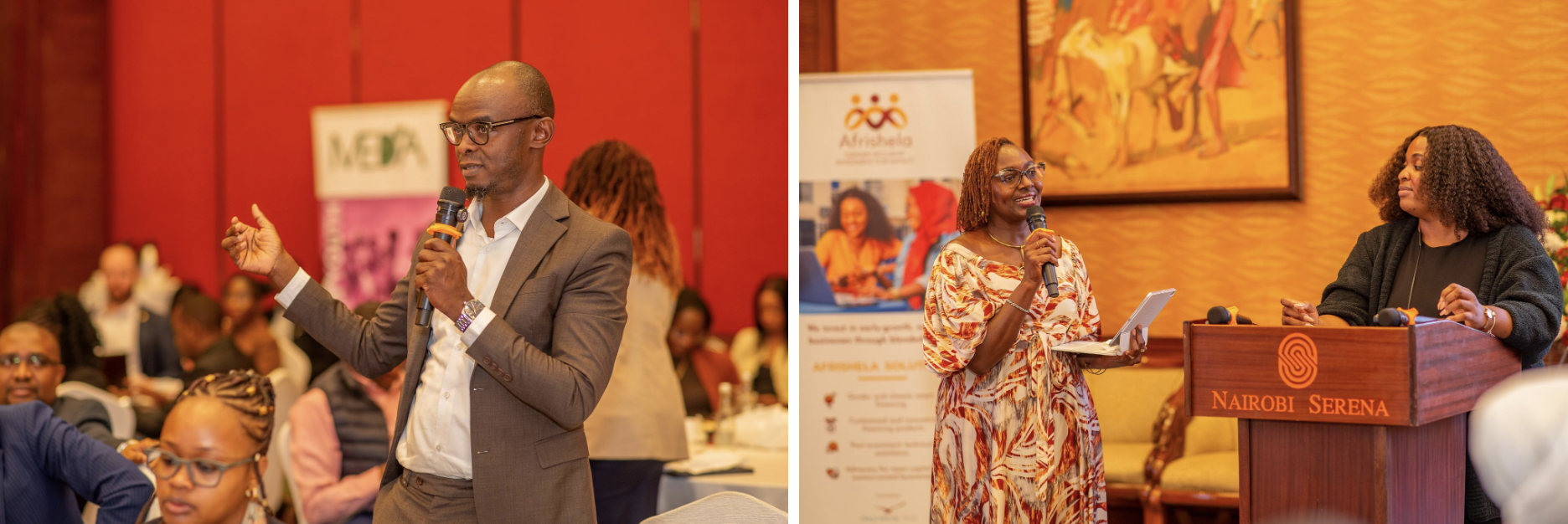
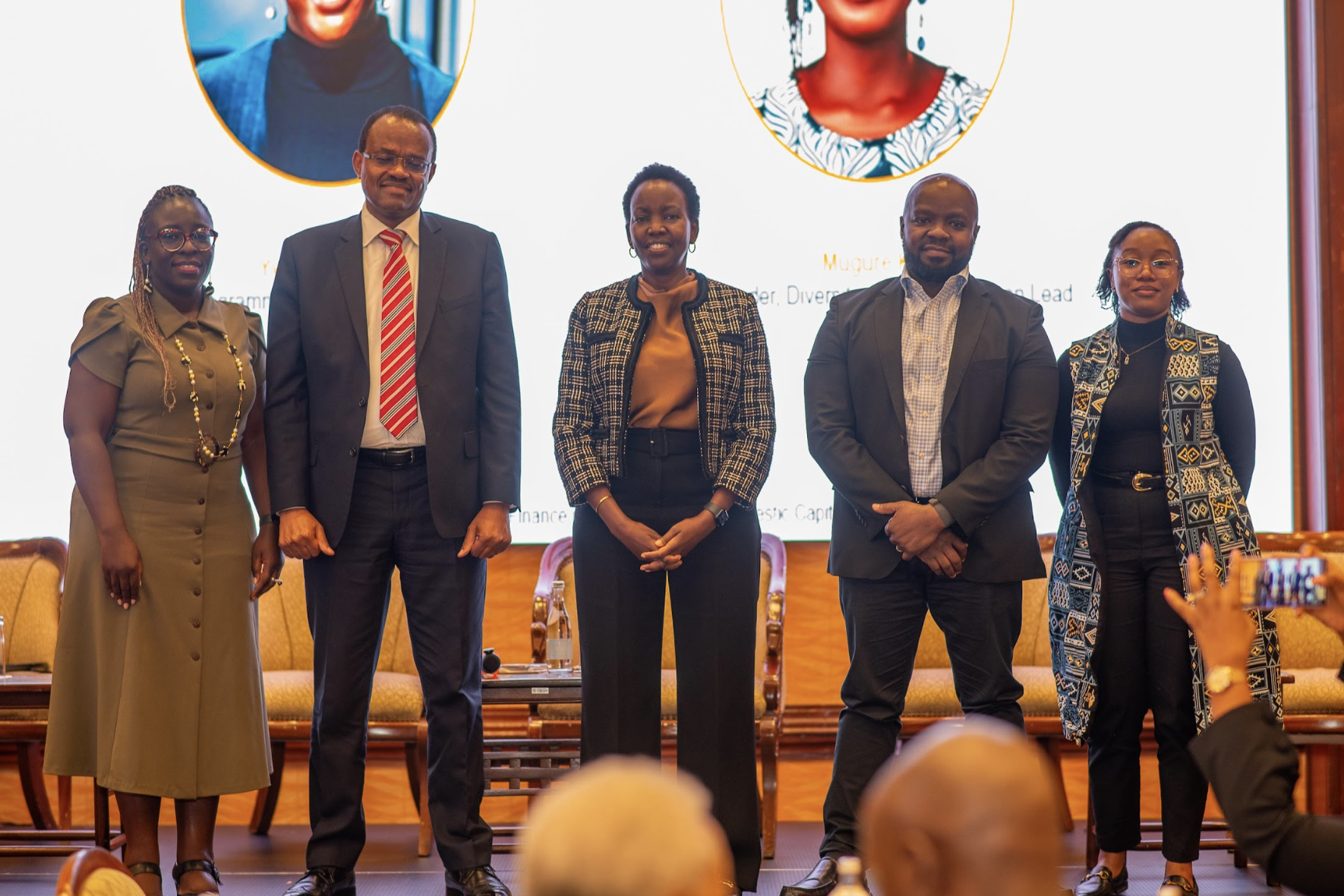
MEDA’s case study presentation team (left), highlighting lessons from the Mastercard Foundation Africa Growth Fund and Francis Nyasomba, Afrishela Investment Committee member (right).
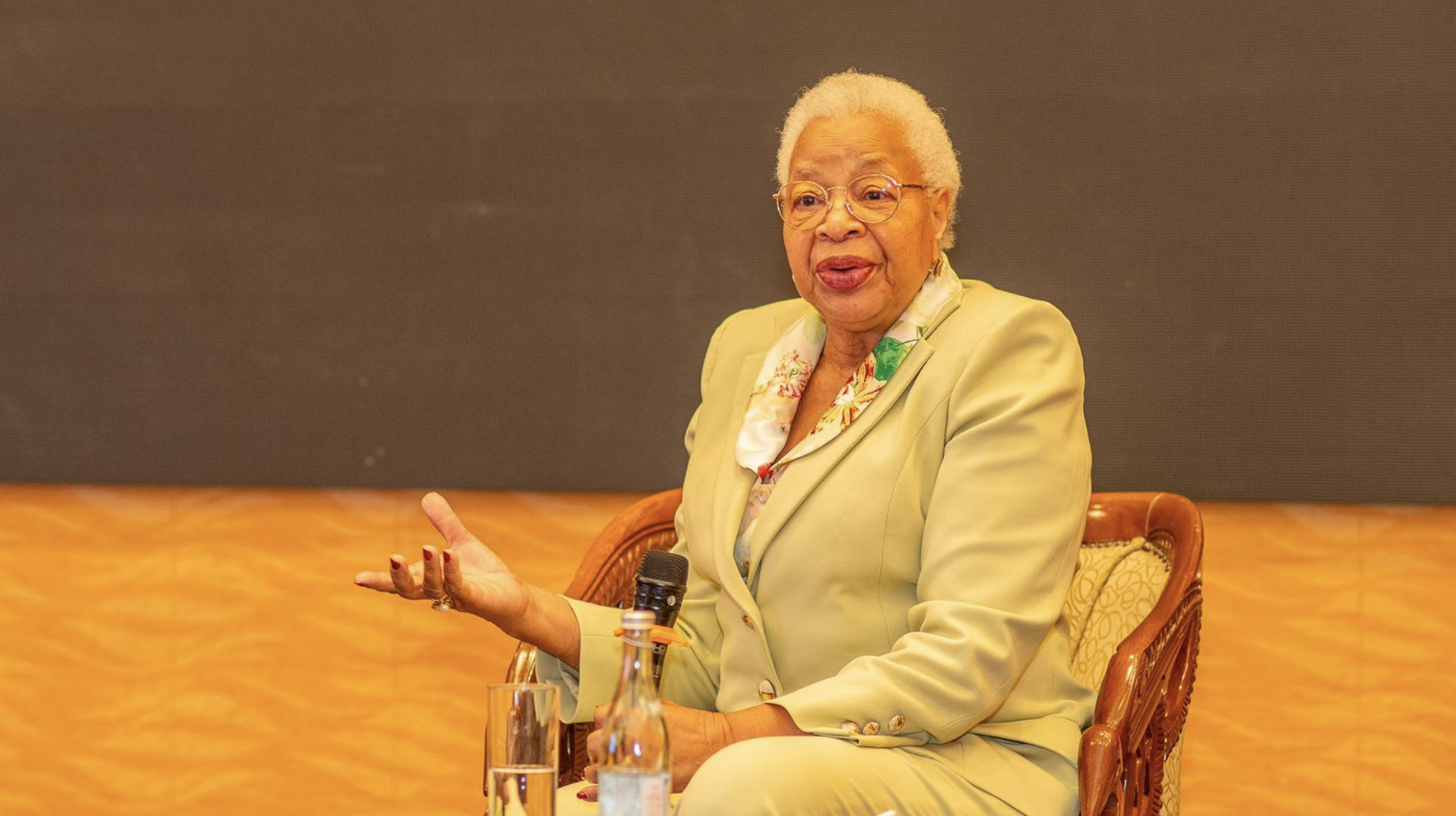
H.E. Mrs Graça Machel joined Frank Aswani, in a fireside chat that shifted from “why blended finance” to a call to agency and follow through, addressing a pressing issue on how to make sure we are the voice of this continent, not just participants in a conversation about it: “Our destiny is in our hands. In our hands alone,” she said, adding, “I do not want our children to think it is normal for foreigners to come and tell us what to do with our own minerals.” Then she brought it back to the practical question the forum could not avoid: “You say there is capital. You say there is potential. You are sitting in the same room. So, what exactly is wrong?”
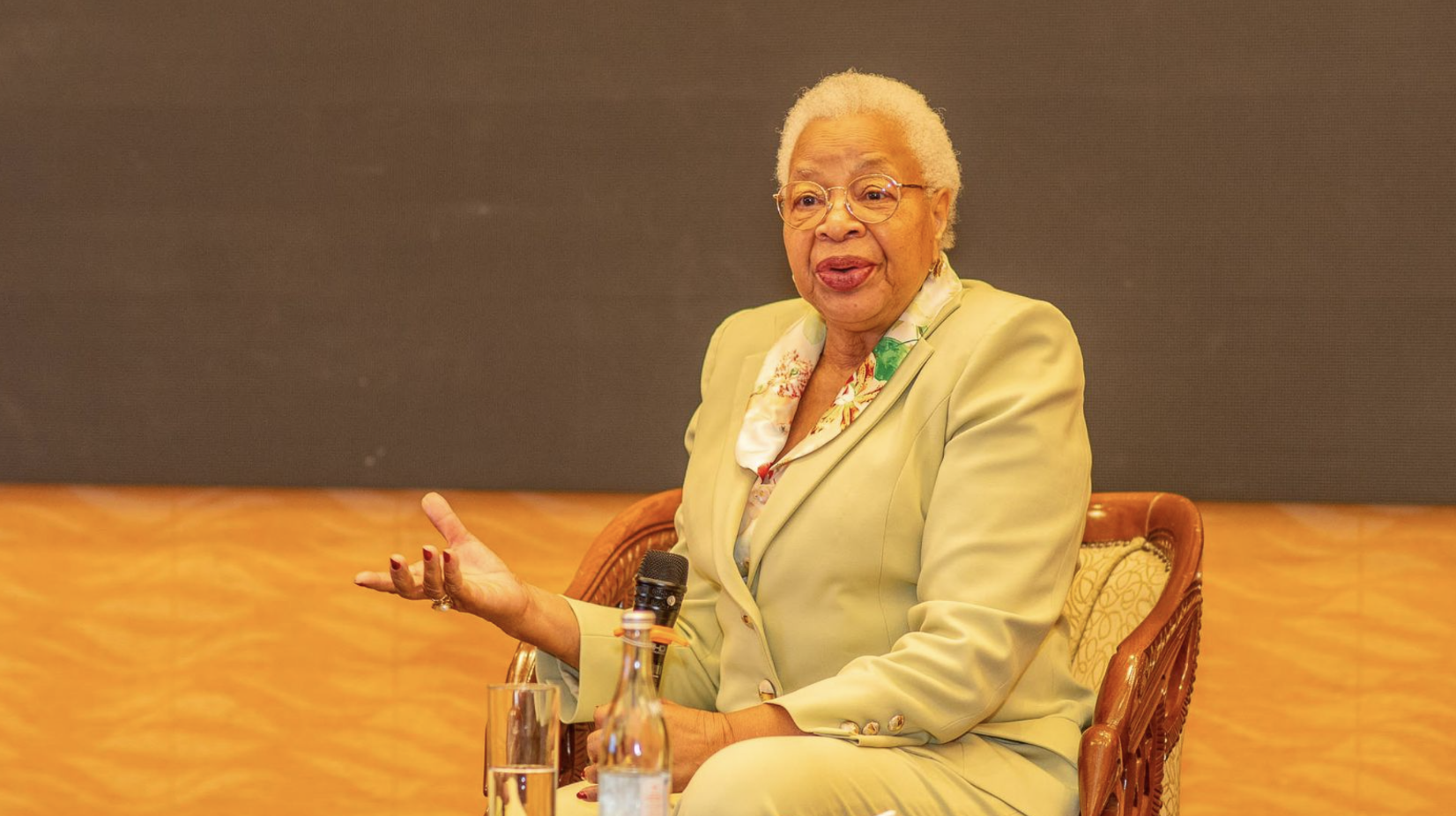
The session ended with a concrete call to action. Mrs Machel put the responsibility where it belongs: “What is the next step? What is going to happen after we leave this room?” The measure of success now is whether institutions translate shared intent into mechanisms that reduce risk, strengthen pipelines, and open access for high-impact enterprises, including women-led businesses and climate solutions.
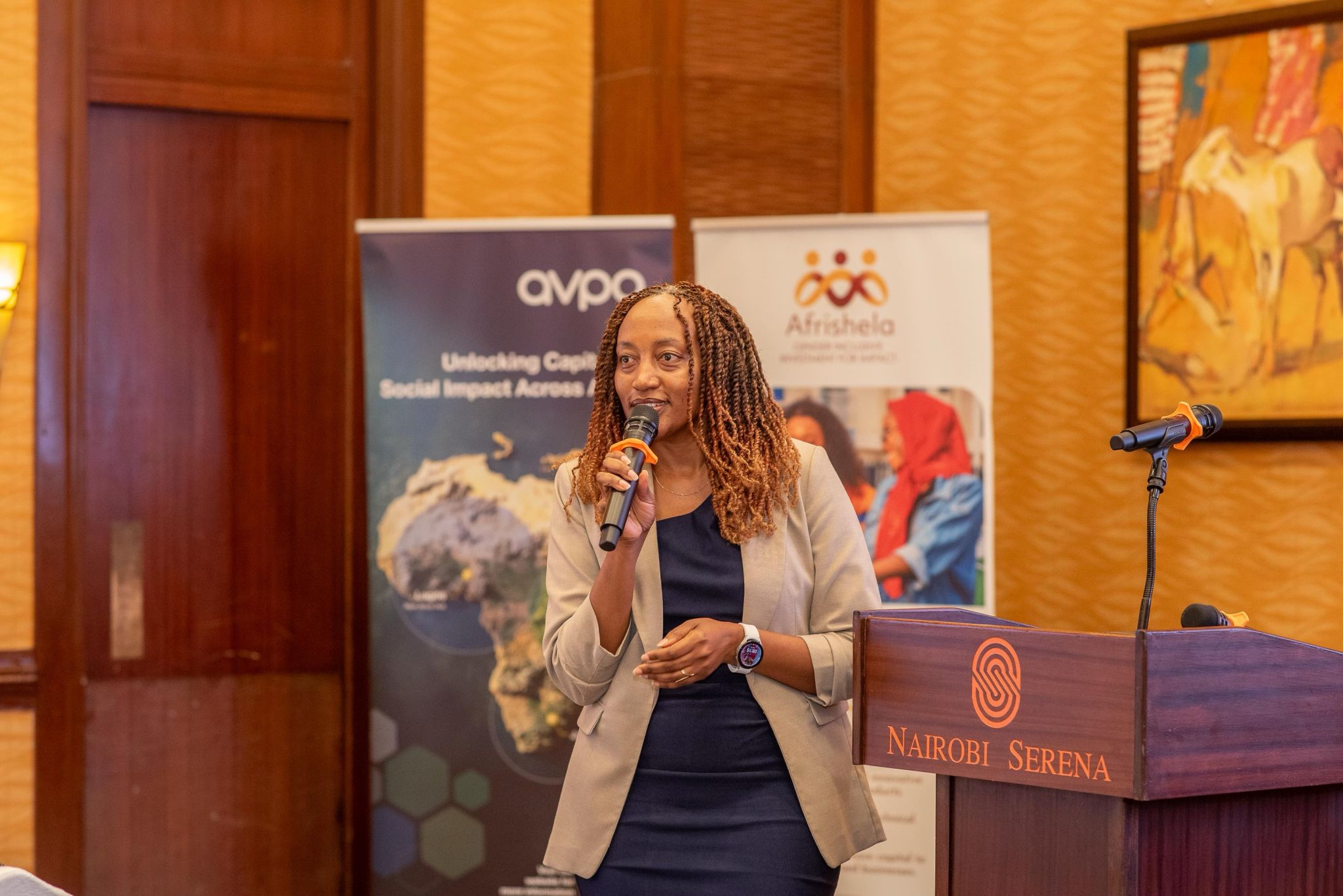
Jane Muia, Senior Investment Officer at Afrishela, underscored the need for practical, coordinated steps to unlock domestic capital for women-led and climate-resilient businesses.
post comments
Together We Rise: A Campaign for Everyone